
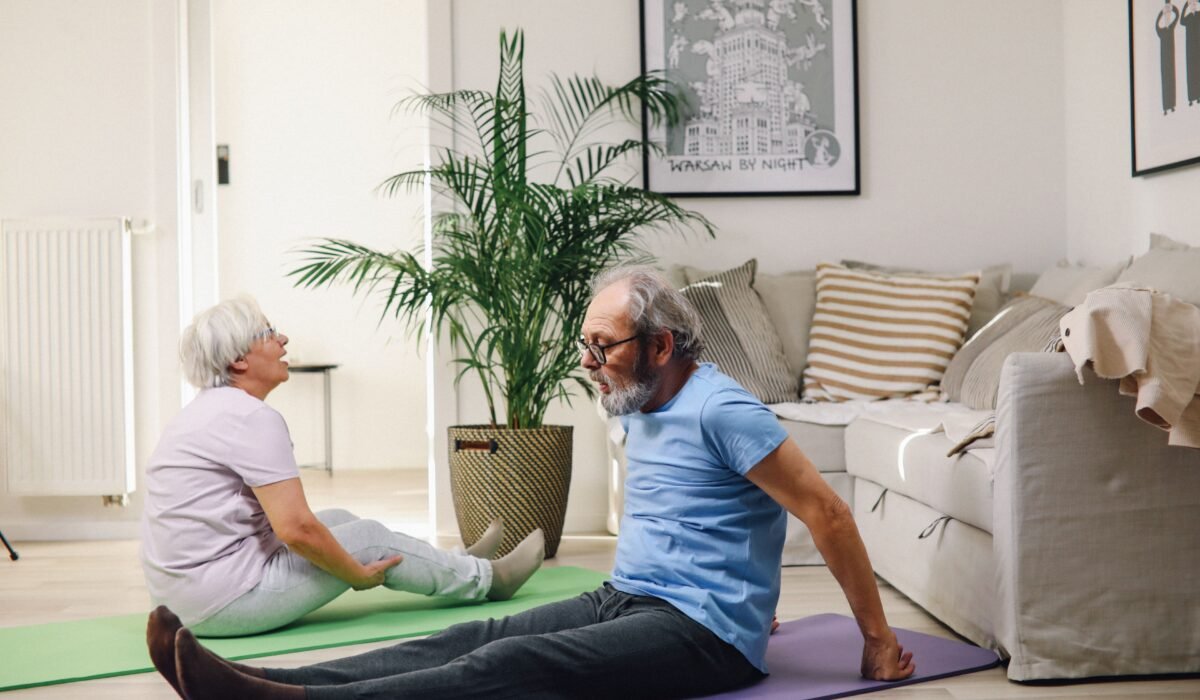
Understanding how to stay healthy after 50 is a common concern as we navigate the unique challenges and opportunities that come with this stage of life. Many individuals find themselves wondering how to maintain vitality, prevent chronic conditions, and ensure a high quality of life as they age. This comprehensive guide, informed by my research into health and wellness, will provide actionable strategies and expert-backed advice to help you thrive in your fifties and beyond.
Why is Staying Healthy After 50 Crucial?
Reaching your fifties marks a significant turning point in life, where the health choices you make begin to have an outsized impact on your future well-being. Abby King, PhD, a professor of epidemiology and population health at Stanford Medicine, emphasizes that “it’s never too late to start” making positive changes, noting their profound influence on your quality of life in your 60s, 70s, and beyond. This period is a critical window for proactive health management.
The reality is that chronic conditions become more prevalent with age. According to America’s Health Rankings, nearly 80% of adults aged 35 to 64, and over 90% of adults 65 and older, had at least one chronic health condition in 2023. For those in midlife (35-64), obesity, high cholesterol, and high blood pressure are among the most frequently reported. Focusing on healthy aging tips now can significantly reduce your risk of developing these conditions or managing them more effectively if they already exist. It’s about setting the stage for a vibrant, independent future, and understanding how to stay healthy after 50 is your first step.
What are the Most Important Habits to Start in Your 50s?
Your fifties are an ideal time to establish or reinforce habits that support long-term health and vitality. These aren’t just about avoiding illness; they’re about enhancing your daily life and extending your healthspan. Many of these build on general healthy lifestyle habits you may have already cultivated, but now with an increased focus on age-specific needs.
Prioritizing Physical Activity
Regular physical activity is non-negotiable for older adults. The CDC recommends at least 150 minutes a week of moderate-intensity activity, such as brisk walking, along with muscle-strengthening activities twice a week. Ryan Glatt, MS, CPT, of Pacific Neuroscience Institute, highlights that “resistance training is especially useful for adults over the age of 50.” It helps prevent falls, increases muscle mass, improves strength, contributes to brain health, and assists with maintaining healthy hormone levels. Activities like digging in the garden, using resistance bands, or exploring fitness programs for seniors can make a significant difference. Studies even show that consistent strength training can induce genetic changes in senior cells, making their muscles resemble those of people in their 20s.
- Aerobic Exercise: Aim for brisk walking, swimming, cycling, or dancing to support cardiovascular health.
- Strength Training: Incorporate bodyweight exercises, resistance bands, or weights to preserve muscle mass and bone density after 50.
- Flexibility and Balance: Yoga or Tai Chi can improve balance, reduce fall risk, and enhance overall mobility.
Embracing Mindful Eating
Nutrition over 50 requires a thoughtful approach, focusing on nutrient-dense foods to support changing metabolic needs and prevent chronic disease. As we age, our metabolism can slow, and nutrient absorption may become less efficient. Prioritize whole foods, lean proteins, healthy fats, and plenty of fruits and vegetables. This approach is crucial for managing weight, supporting energy levels, and providing the building blocks for cellular repair. For more detailed guidance, consider exploring healthy eating habits for sustainable weight loss.
What most people miss is the importance of hydration and fiber. Adequate water intake supports all bodily functions, while fiber-rich foods aid digestion and can contribute to feelings of fullness, which is helpful for weight management. For those seeking to improve their digestive health, understanding how to improve digestion naturally becomes increasingly relevant.
Quality Sleep and Stress Management
Don’t underestimate the power of restorative sleep and effective stress management. Chronic stress and poor sleep can exacerbate chronic conditions, impact cognitive function, and diminish overall quality of life. Aim for 7-9 hours of quality sleep per night. If you struggle with sleep, consider evaluating your evening routine for improvements. Managing stress through mindfulness, meditation, hobbies, or spending time in nature is equally vital for mental wellness for seniors. These practices are cornerstones of a balanced and healthy lifestyle.
Optimizing Nutrition & Dietary Supplements After 50
As a health and wellness content researcher specializing in dietary supplements, I’ve seen firsthand how crucial targeted nutrition is for those over 50. Our bodies’ needs shift, and what worked in our 30s may not be sufficient now. Optimizing your diet and strategically using supplements can fill nutritional gaps and support specific physiological changes.
Essential Nutrients and Dietary Changes
Your diet should be the foundation of your health, emphasizing nutrient-dense foods. Here’s a look at key areas:
- Protein Intake: Older adults often need more protein to prevent muscle loss (sarcopenia). Aim for lean sources like poultry, fish, beans, lentils, and dairy.
- Calcium and Vitamin D: Critical for bone density after 50. Dairy products, fortified plant milks, leafy greens, and fatty fish are good sources.
- Fiber: Supports digestive health and can help manage cholesterol and blood sugar. Whole grains, fruits, vegetables, and legumes are excellent choices. Consider adding fiber supplements if dietary intake is insufficient.
- Omega-3 Fatty Acids: Found in fatty fish (salmon, mackerel), flaxseeds, and walnuts, these are vital for heart health and cognitive function.
- B Vitamins: Especially B12, which can be harder to absorb as we age, crucial for nerve function and energy.
Focusing on a balanced diet rich in these nutrients is a primary way to support your body. You can also explore immune-boosting foods to further fortify your health.
Evidence-Based Supplementation
While a balanced diet is paramount, certain dietary supplements can play a supportive role, especially for common deficiencies in this age group. In my research, I prioritize evidence-based options:
- Vitamin D: Many older adults are deficient. Supplementation can support bone health, immune function, and mood. Consult your doctor for appropriate dosing.
- Calcium: If dietary intake is low, a calcium supplement, often paired with Vitamin D, can support bone strength.
- Vitamin B12: As stomach acid production decreases with age, absorption of B12 from food can decline. A supplement is often recommended.
- Omega-3 Fatty Acids: For those who don’t eat fatty fish regularly, fish oil or algal oil supplements can provide EPA and DHA for heart and brain health.
- Magnesium: Important for muscle and nerve function, blood sugar control, and blood pressure regulation. Many older adults don’t get enough.
- Collagen: While research is ongoing, some studies suggest collagen supplements may support joint health and skin elasticity.
It’s always best to consult with a healthcare professional before starting any new supplement regimen to ensure it’s appropriate for your individual health needs and doesn’t interact with medications. For guidance on specific energy-boosting vitamins, you might find this guide to natural boosts helpful.
Advanced Oral Health Strategies for Over 50
Oral health is often overlooked in discussions about healthy aging, yet it’s deeply connected to overall systemic health. For individuals over 50, specific challenges arise, including increased risk of gum disease, dry mouth, and tooth decay. Chronic inflammation from gum disease has been linked to heart conditions, diabetes, and even cognitive decline, making advanced oral health strategies essential.
Beyond basic brushing, here’s what to consider:
- Electric Toothbrush & Fluoride Toothpaste: An electric toothbrush can offer superior plaque removal, especially if dexterity is an issue. Use a fluoride toothpaste to strengthen enamel and prevent cavities.
- Interdental Cleaning: Flossing or using interdental brushes daily is crucial for removing food particles and plaque from between teeth and along the gumline, areas often missed by brushing alone.
- Combatting Dry Mouth: Saliva production can decrease with age or due to medications, leading to dry mouth. This increases cavity risk. Use over-the-counter dry mouth rinses or sprays, chew sugar-free gum, and stay well-hydrated.
- Regular Dental Check-ups: More than just cleanings, these appointments allow dentists to screen for oral cancers, gum disease, and other conditions prevalent in older adults. Early detection is key.
- Addressing Receding Gums: Receding gums expose tooth roots, making them more susceptible to decay and sensitivity. Your dentist can recommend specific toothpastes or treatments.
In practice, integrating these advanced strategies into your daily routine is a powerful way to maintain not just a healthy smile, but also contribute significantly to your overall well-being as you age.
Gender-Specific Health: Women’s & Men’s Needs After 50
While many healthy aging tips apply universally, men and women face distinct health challenges and opportunities after 50. Understanding these gender-specific health needs is vital for truly optimizing your wellness journey.
Women’s Health Focus
For women, the post-menopause period brings significant physiological changes. Estrogen decline impacts bone density, increasing the risk of osteoporosis, and can affect cardiovascular health. Managing post-menopausal symptoms often involves a combination of lifestyle adjustments, and sometimes hormone therapy or other medical interventions.
- Bone Density: Regular weight-bearing exercise, adequate calcium and Vitamin D intake are paramount. Discuss bone density screenings (DEXA scans) with your doctor.
- Heart Health: Women’s risk of heart disease increases after menopause. Focus on a heart-healthy diet, regular exercise, and blood pressure/cholesterol monitoring.
- Cancer Screenings: Continue regular mammograms for breast cancer and cervical cancer screenings as recommended by your physician.
- Pelvic Floor Health: Strengthening pelvic floor muscles can help with urinary incontinence, a common issue for post-menopausal women.
These targeted efforts are crucial for women seeking to stay healthy after 50.
Men’s Health Focus
Men after 50 often face concerns related to prostate health, cardiovascular risk factors, and maintaining testosterone levels. Proactive management and screening are key for preventative care.
- Prostate Health: Regular discussions with your doctor about prostate cancer screenings (PSA tests and digital rectal exams) are important, especially if you have risk factors.
- Cardiovascular Health: Men’s risk of heart disease is generally higher earlier in life. Maintaining a healthy weight, managing blood pressure and cholesterol, and regular exercise are critical.
- Testosterone Levels: Testosterone naturally declines with age. If you experience symptoms like fatigue, low libido, or muscle loss, discuss hormone level testing with your doctor.
- Colon Cancer Screening: Both men and women need regular colonoscopies starting at age 45-50, or earlier if there’s a family history.
Addressing these specific areas helps men maintain robust health and vitality.
Preventative Screenings & Mental Wellness for Healthy Aging
A cornerstone of healthy aging is a proactive approach to medical care, coupled with a strong focus on mental wellness. Preventative screenings can catch potential issues early, often when they are most treatable. Simultaneously, nurturing your mental health is as vital as physical fitness for a truly fulfilling life after 50.
Essential Preventative Screenings
Your doctor will guide you through a personalized screening schedule, but generally, key screenings include:
- Blood Pressure, Cholesterol, and Blood Sugar: Regular checks help manage risk factors for heart disease and diabetes.
- Cancer Screenings: Mammograms, colonoscopies, prostate exams, and skin checks are crucial for early detection. The CDC’s 2025 immunization schedule even recommends lowering the age for initial pneumococcal vaccination from 65 to 50 years old, reflecting increased risk.
- Bone Density Scans: Especially important for women, but also for men with risk factors for osteoporosis.
- Eye and Hearing Exams: Regular checks can detect age-related vision and hearing loss, which can impact safety and social connection.
- Vaccinations: Stay up-to-date on flu shots, tetanus boosters, shingles vaccine, and the COVID-19 vaccine. For example, the CDC recommends a second dose of the 2024–2025 COVID-19 vaccine for adults aged 65 and older.
These screenings are your best defense against many chronic conditions prevalent in this age group.
Nurturing Mental Wellness
Mental wellness for seniors is a critical component of overall health. The prevalence of any mental illness among adults aged 50 and older was 13.9% in 2024, highlighting the importance of addressing mental health proactively. Beyond this, drug deaths for adults aged 65-74 increased significantly between 2022 and 2023, underscoring the need for support.
- Stay Engaged: Maintain hobbies, learn new skills, and participate in activities that stimulate your mind.
- Seek Support: Don’t hesitate to reach out to a mental health professional if you experience symptoms of depression, anxiety, or persistent stress.
- Mindfulness Practices: Meditation, deep breathing, and spending time in nature can reduce stress and improve mood.
- Purpose and Meaning: Engaging in activities that give your life purpose, whether volunteering or pursuing passions, is vital for psychological well-being.
Remember, prioritizing your mental health is a powerful way to enhance your physical health and overall enjoyment of life.
How to Maintain Cognitive Function and Social Connection
A key aspect of healthy aging involves strategies to preserve your mental sharpness and foster meaningful relationships. Both cognitive health strategies and social engagement are powerful tools in your arsenal for a vibrant life. The good news is that these two areas often go hand-in-hand, reinforcing each other for greater benefit.
To truly understand how to stay healthy after 50, we must look beyond just physical health.
Boosting Brain Health
Maintaining cognitive function isn’t about avoiding decline; it’s about actively nurturing your brain. Here’s how:
- Lifelong Learning: Engage in mentally stimulating activities. Learn a new language, play an instrument, solve puzzles, or take a course. Keeping your brain active builds cognitive reserve.
- Physical Activity: As Ryan Glatt notes, exercise contributes to brain health. Regular aerobic exercise and strength training improve blood flow to the brain and can enhance memory and executive function.
- Balanced Diet: A diet rich in antioxidants, omega-3s, and B vitamins supports brain health. Think Mediterranean diet principles.
- Quality Sleep: Adequate sleep is essential for memory consolidation and clearing metabolic waste from the brain.
Nathan LeBrasseur, Director of Mayo Clinic’s Robert and Arlene Kogod Center on Aging, points out the “plasticity to ageing,” meaning we have powerful control over the aging process, including our cognitive abilities. It’s never too late to start.
Cultivating Social Connections
Social isolation has been linked to various health issues, including heart disease, diabetes, and cognitive decline. Conversely, strong social ties are associated with longevity and improved mental well-being. A 2020 Harvard study found that older adults who volunteer just two hours per week could significantly reduce their risks of premature death.
- Stay Connected: Regularly connect with family and friends, whether in person, by phone, or video call.
- Join Groups: Participate in clubs, community organizations, or volunteer activities that align with your interests. This is an excellent way to meet new people and maintain a sense of purpose.
- Engage with Your Community: Be an active participant in local events, faith-based organizations, or neighborhood activities.
These actions not only enrich your life but also contribute significantly to your overall health and resilience.
Embracing a Healthy Lifestyle: Your Journey After 50
Your fifties and beyond represent a unique opportunity to embrace a truly holistic approach to health. It’s about recognizing that aging is not a passive process, but one where you have considerable agency. Nathan LeBrasseur of Mayo Clinic emphasizes that while aging involves “wear and tear on the cells,” we have “powerful control over the ageing process.” This perspective empowers you to make informed, intentional choices.
By integrating the habits we’ve discussed — from prioritizing physical activity and optimizing nutrition to fostering mental wellness and social connections — you’re not just adding years to your life, but also life to your years. The journey to a healthy lifestyle after 50 is ongoing, requiring adaptability and a commitment to continuous learning. Each small step you take contributes to a larger, more vibrant picture of health. This comprehensive approach is key to understanding how to stay healthy after 50 and truly thrive.
Frequently Asked Questions
What are the most important things to do after 50?
The most important things to do after 50 involve a multi-faceted approach to health. Prioritize regular physical activity, including both aerobic and strength training, adopt a nutrient-rich diet, ensure adequate sleep, and manage stress effectively. Additionally, focus on maintaining social connections and engaging in mentally stimulating activities to support cognitive health.
What habits should I start in my 50s?
In your 50s, you should start or strengthen habits such as consistent resistance training to preserve muscle mass and bone density, mindful eating focusing on whole foods and adequate protein, and proactive preventative screenings. It’s also an excellent time to explore new hobbies that challenge your mind and expand your social circle, reinforcing both cognitive and emotional well-being.
What should a 50 year old woman do to stay healthy?
A 50-year-old woman should focus on maintaining bone density through calcium, Vitamin D, and weight-bearing exercise, given the impact of menopause. Prioritize cardiovascular health, continue regular cancer screenings like mammograms, and address any post-menopausal symptoms with a healthcare provider. Strengthening pelvic floor muscles is also beneficial for long-term comfort and health.
What is the healthiest lifestyle for a 50 year old man?
For a 50-year-old man, the healthiest lifestyle emphasizes proactive prostate health discussions and screenings, vigilant cardiovascular risk management, and regular exercise to maintain muscle mass and healthy testosterone levels. A balanced diet, stress reduction, and consistent preventative screenings for conditions like colon cancer are also critical components for overall vitality and longevity.
Mastering how to stay healthy after 50 involves a dynamic and personalized approach, integrating physical activity, optimal nutrition, targeted supplementation, advanced oral hygiene, gender-specific care, preventative screenings, and robust mental and social engagement. By consistently applying these expert-backed strategies, you empower yourself to not only mitigate the risks associated with aging but also to genuinely enhance your quality of life. Start today by choosing one small change to implement, building momentum towards a vibrant and healthy future.