
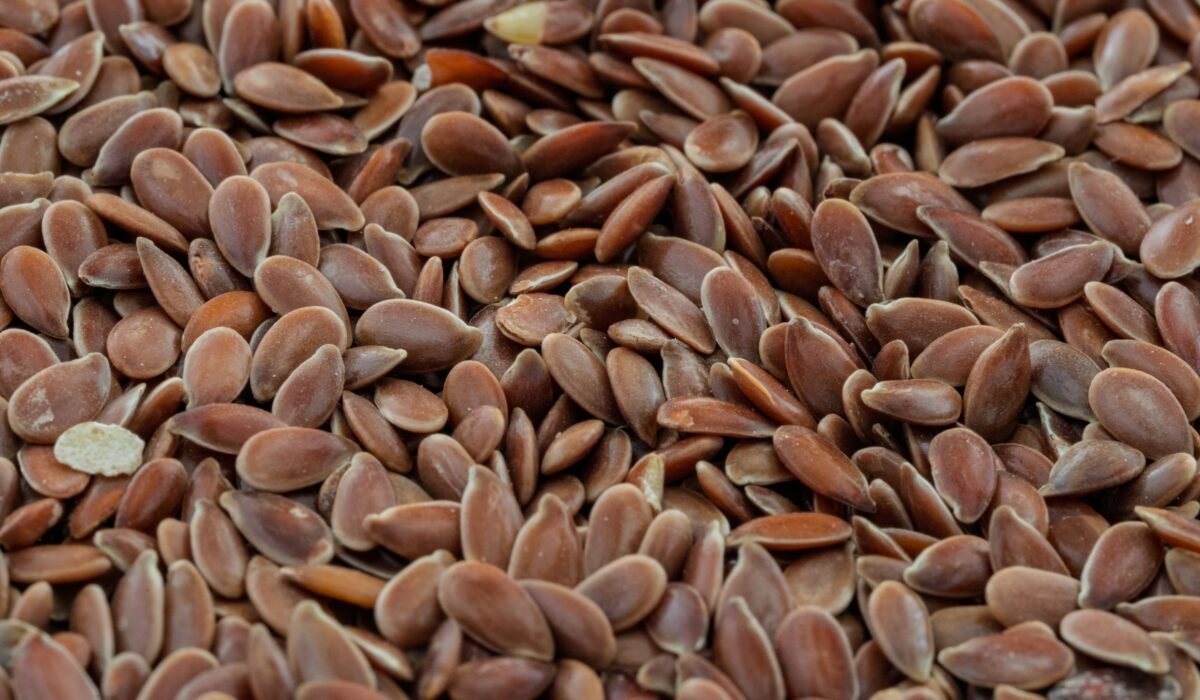
If you’re looking to improve your digestive health, manage weight, or support overall wellness, finding the **Best Fiber Supplements** can feel overwhelming. Many Americans fall short of their daily fiber intake, leading to a host of health issues, and choosing the right supplement is crucial for achieving your specific health goals. As a health and wellness content researcher, I’ve delved into the science and market to bring you expert picks and a comprehensive guide to making an informed decision.
The Best Fiber Supplements of 2024
The fiber supplements market is robust, with a projected value reaching USD 38.4 billion by 2035, indicating a growing awareness of fiber’s importance. With so many options available, identifying the top performers requires a close look at ingredients, efficacy, and user experience. Here are some of the leading **Best Fiber Supplements** that stand out for their quality and targeted benefits.
Metamucil (Psyllium Husk)
Metamucil is often considered a “gold standard” among fiber supplements, primarily utilizing psyllium husk. This soluble, viscous fiber is highly effective for promoting regularity and supporting heart health. It’s available in various forms, including powders, capsules, and gummies, offering flexibility for different preferences.
- Key Ingredients: Psyllium husk.
- Benefits: Excellent for constipation relief, helps lower cholesterol levels by binding bile acids, and supports healthy blood sugar levels. Research from 2021 highlights psyllium husk’s benefits for cholesterol lowering and obesity reduction.
- Pros: Widely available, well-researched, versatile forms, generally well-tolerated.
- Cons: Can cause gas and bloating initially, requires adequate water intake.
- How it Works: Psyllium forms a gel in the digestive tract, adding bulk to stool and facilitating its passage. It also binds to cholesterol, preventing its reabsorption.
- Customer Feedback: Many users report significant improvement in bowel regularity and digestive comfort.
- Final Verdict: An excellent choice for those seeking comprehensive digestive support and cardiovascular benefits.
Benefiber (Wheat Dextrin/Inulin)
Benefiber is another popular choice, typically featuring wheat dextrin or inulin as its primary fiber source. It’s known for being clear and taste-free, making it easy to mix into beverages and soft foods without altering their texture or flavor. Benefiber acts as a prebiotic, nourishing beneficial gut bacteria.
- Key Ingredients: Wheat dextrin (soluble fiber), or chicory root inulin in some formulations.
- Benefits: Supports digestive health, acts as a prebiotic fiber to promote a healthy gut microbiome, and helps maintain regularity without excessive bulk.
- Pros: Dissolves completely, no taste or grit, good for daily gut health maintenance.
- Cons: May not be as effective for severe constipation as psyllium, can cause some gas in sensitive individuals.
- How it Works: As a soluble fiber, it ferments in the gut, providing fuel for healthy bacteria and aiding in gentle stool softening.
- Customer Feedback: Praised for its discreet nature and ease of use in various foods and drinks.
- Final Verdict: Ideal for those looking for a gentle daily fiber boost and prebiotic support for gut health.
Citrucel (Methylcellulose)
Citrucel stands out as a non-fermentable soluble fiber, making it a good option for individuals prone to gas and bloating from other fiber types. Methylcellulose provides soft, bulk-forming properties, making it desirable for constipation relief.
- Key Ingredients: Methylcellulose.
- Benefits: Effective for constipation, less likely to cause gas compared to fermentable fibers, promotes soft, easy-to-pass stools.
- Pros: Gentle, low gas production, good for sensitive digestive systems.
- Cons: Generally comes in powder form, may require careful mixing.
- How it Works: Methylcellulose absorbs water to create a soft, uniform stool that moves smoothly through the colon, without extensive fermentation.
- Customer Feedback: Appreciated by users who experience discomfort with other fiber supplements.
- Final Verdict: A top pick for those with sensitive stomachs or who experience significant gas from typical fiber sources.
FiberCon (Calcium Polycarbophil)
FiberCon primarily uses calcium polycarbophil, a bulk-forming fiber that is largely insoluble but acts similarly to soluble fiber. It’s unique in its ability to both firm up loose stools and soften hard stools, making it versatile for various bowel irregularities, including those associated with IBS.
- Key Ingredients: Calcium polycarbophil.
- Benefits: Helps normalize stool consistency for both diarrhea and constipation, suitable for managing symptoms of Irritable Bowel Syndrome (IBS).
- Pros: Effective for regulating both ends of the bowel spectrum, available in tablet form.
- Cons: May take a few days to show full effects, requires sufficient water intake.
- How it Works: It absorbs excess water in the intestines during diarrhea and adds moisture to dry stools during constipation, creating a more normalized consistency.
- Customer Feedback: Users with IBS often find it helpful for managing unpredictable bowel habits.
- Final Verdict: A versatile option for those with fluctuating bowel patterns or IBS.
Choosing among the **Best Fiber Supplements** involves understanding your specific needs and how different fiber types interact with your body.
Get The Latest Price On The Official Website
Visit Official Website to check current pricing, discounts, bonuses, and availability.
What is the Best Type of Fiber to Take?
The question of “what is the best type of fiber to take” is common, and the short answer is: it depends on your health goals. There isn’t a single “best” fiber for everyone, as different types offer distinct benefits. Understanding the two main categories—soluble and insoluble fiber—and their sub-types is key.
Soluble fiber dissolves in water to form a gel-like substance, which can help lower cholesterol and blood sugar levels. It also slows down digestion, promoting a feeling of fullness. In contrast, insoluble fiber does not dissolve in water; it adds bulk to your stool and helps food pass more quickly through your digestive system, which is great for constipation relief.
For instance, if your primary concern is cholesterol lowering, a viscous soluble fiber like psyllium husk is often recommended. If you’re struggling with constipation, both bulk-forming soluble fibers like methylcellulose and insoluble fibers can be beneficial. For enhancing your gut health and supporting your microbiome, prebiotic fibers such as inulin are excellent choices. As Dr. Jampolis, a Forbes Health Advisory Board Member, notes, fiber supplements can be especially helpful for “weight loss, cholesterol reduction and blood sugar control, in addition to regularity.”
How to Choose the Right Fiber Supplement for Your Needs
Selecting from the array of **Best Fiber Supplements** requires a personalized approach. Since “fiber supplements aren’t one-size-fits-all,” as a Stanford Medicine study highlights, considering your individual health conditions and preferences is paramount. Here’s a guide to help you make an informed decision:
- Identify Your Primary Health Goal: Are you seeking fiber supplements for constipation relief, to lower cholesterol, manage blood sugar, support gut health, or address irritable bowel syndrome (IBS)? Your goal will dictate the most suitable fiber type.
- Consider Fiber Type:
- Psyllium Husk: Excellent for constipation, diarrhea, and cholesterol lowering due to its gel-forming properties.
- Methylcellulose: Good for constipation, especially if you’re sensitive to gas, as it’s non-fermentable.
- Inulin/FOS: Ideal for prebiotic benefits and improving gut health, though it can cause gas in some.
- Calcium Polycarbophil: Useful for normalizing stool consistency for both constipation and diarrhea, often recommended for IBS.
- Choose Your Form Factor: Fiber supplements come in various forms to suit different lifestyles.
- Powders: Often the most cost-effective and allow for flexible dosing, but require mixing into liquids.
- Capsules: Convenient for on-the-go, but you might need to take several to get an effective dose.
- Gummies: A palatable option, but often contain added sugars and lower fiber content per serving.
- Check for Purity and Additives: Look for products with minimal artificial colors, flavors, or sweeteners, especially if you have sensitivities. Organic options like Organic India Psyllium Whole Husk Fiber are available.
- Evaluate Fermentation Potential: If you experience significant bloating or gas, opt for non-fermentable fibers like methylcellulose. Fermentable fibers (like inulin) can feed gut bacteria, which is beneficial but can cause initial discomfort.
- Read Customer Reviews: While not a substitute for professional advice, customer feedback can offer insights into taste, mixability, and general effectiveness for others with similar needs.
Ultimately, the right fiber supplement is one you can consistently take, that addresses your specific concerns, and that your body tolerates well.
Fiber Supplements for Specific Health Conditions & Goals
Fiber plays a critical role in numerous bodily functions beyond just digestive health. Tailoring your choice of **Best Fiber Supplements** to specific health conditions and goals can significantly enhance their effectiveness.
For Constipation Relief
Constipation affects millions of Americans, and fiber supplements are a first-line defense. Bulk-forming fibers like psyllium husk (e.g., Metamucil, Konsyl) and methylcellulose (e.g., Citrucel) are highly effective. They absorb water, swell, and add mass to stool, making it softer and easier to pass. Calcium polycarbophil (e.g., FiberCon) also works well here. Remember to drink plenty of water when taking these to prevent blockages.
For Diarrhea & IBS
It might seem counterintuitive, but certain fiber types can also help with diarrhea and Irritable Bowel Syndrome (IBS). Calcium polycarbophil (FiberCon) is particularly effective because it absorbs excess water in the intestines, helping to firm up loose stools. Partially Hydrolyzed Guar Gum (PHGG), sometimes found in specialized blends like Thorne FiberMend, can also be beneficial for IBS symptoms, including both constipation and diarrhea, due to its gentle, regulating effect and minimal gas production.
For Cholesterol Lowering
If lowering LDL (“bad”) cholesterol is your goal, soluble fiber is your ally. Viscous, gel-forming soluble fibers like psyllium husk are particularly potent. As Taylor Wallace, Ph.D., explains, these fibers “bind bile acids that are secreted for digestion, which prevents their reabsorption,” forcing the body to use more cholesterol to make new bile acids. A 2023 study confirmed a significant reduction in LDL cholesterol after soluble fiber supplementation.
For Gut Health & Prebiotic Benefits
To foster a thriving gut microbiome, prebiotic fiber is essential. Inulin, frequently sourced from chicory root (e.g., Benefiber, Fiber Choice Prebiotic Fiber Gummies), acts as food for beneficial gut bacteria. These bacteria then produce short-chain fatty acids, which are vital for gut health and immune function. A healthy gut is foundational for overall well-being.
For Blood Sugar Control & Weight Management
Soluble fiber, especially viscous types like psyllium husk, can help slow the absorption of sugar, which contributes to more stable blood glucose levels after meals. This can be particularly beneficial for individuals managing diabetes or pre-diabetes. Additionally, the feeling of fullness promoted by soluble fiber can aid in weight management by reducing overall calorie intake. Dr. Jampolis specifically recommends fiber supplements for “weight loss” and “blood sugar control.”
Understanding Different Fiber Types & How They Work
Diving deeper into the mechanics of various fiber types helps demystify why certain **Best Fiber Supplements** are recommended for specific issues. The way fiber interacts with your digestive system is fascinating and complex.
Soluble Fiber
Soluble fiber dissolves in water, forming a gel-like substance. This gel is responsible for many of its health benefits. It slows down the digestive process, which can help stabilize blood sugar levels by reducing the rate at which carbohydrates are absorbed. The viscous nature of soluble fiber also binds to cholesterol in the digestive tract, preventing its reabsorption and aiding in its excretion, thus helping to lower LDL cholesterol. Many soluble fibers, particularly prebiotics, are fermented by beneficial bacteria in the colon, producing short-chain fatty acids that nourish gut cells and support a healthy immune system.
Insoluble Fiber
Unlike its soluble counterpart, insoluble fiber does not dissolve in water. Instead, it adds bulk to your stool and acts like a “scrub brush” for your intestines. This physical bulk helps to speed up the passage of food and waste through your digestive system, preventing constipation and promoting regular bowel movements. While it doesn’t ferment much in the gut, it’s crucial for maintaining bowel regularity and preventing diverticular disease.
Psyllium Husk
Psyllium husk is a standout soluble fiber, often called a “gold standard.” Its mechanism is primarily through its high viscosity and gel-forming capacity. When mixed with water, it swells significantly, creating a soft, bulky mass that eases stool passage. This unique property also allows it to bind effectively with bile acids and dietary cholesterol, which is why it’s so effective for cholesterol lowering. It’s a highly researched fiber with a strong track record for digestive and cardiovascular health.
Inulin & Other Prebiotics
Inulin, a type of fructan, is a soluble, fermentable fiber commonly found in chicory root. It functions as a **prebiotic fiber**, meaning it selectively feeds beneficial bacteria in your gut, such as Bifidobacteria. This fermentation process produces short-chain fatty acids (SCFAs) like butyrate, which are vital for colon health, reducing inflammation, and potentially influencing metabolism. While excellent for **gut health**, the fermentation can initially cause gas and bloating for some individuals. Other prebiotics include Fructooligosaccharides (FOS) and Galactooligosaccharides (GOS).
Methylcellulose & Calcium Polycarbophil
Methylcellulose (e.g., Citrucel) is a soluble, non-fermentable fiber. Its key advantage is that it absorbs water to form a soft, consistent bulk without undergoing significant fermentation in the colon. This makes it a preferred choice for individuals who experience excessive gas or bloating with fermentable fibers. It effectively adds bulk and moisture to stool, promoting gentle and regular bowel movements.
Calcium polycarbophil (e.g., FiberCon) is technically an insoluble fiber, but it has a remarkable ability to absorb large amounts of water, acting like a soluble fiber. This property allows it to normalize stool consistency – it can absorb excess water to firm up loose stools during diarrhea and add moisture to hard, dry stools during constipation. This makes it particularly versatile for managing irregular bowel habits, including those seen in IBS.
Dosage, Side Effects, and Drug Interactions of Fiber Supplements
While fiber supplements offer numerous health benefits, it’s crucial to understand proper usage, potential side effects, and important interactions to ensure safety and efficacy. My experience in analyzing dietary supplements always emphasizes the importance of responsible consumption.
Recommended Dosage
The U.S. Department of Agriculture (USDA) recommends that most adults consume 28 to 34 grams of fiber per day. Unfortunately, over 90% of women and 97% of men do not meet these recommendations, averaging only about 15 grams per day. When using fiber supplements, it’s generally advised to start with a low dose and gradually increase it over several weeks. This allows your digestive system to adjust and minimizes potential discomfort. Always follow the specific dosing instructions on the product label, and ensure you drink plenty of water throughout the day, especially when increasing fiber intake.
Potential Side Effects
The most common side effects of increasing fiber intake, whether through diet or supplements, include gas, bloating, and abdominal cramping. These symptoms are often temporary and tend to subside as your body adapts. Fermentable fibers like inulin are more likely to cause these effects due to the gas produced by gut bacteria. Non-fermentable fibers like methylcellulose are generally gentler. If side effects persist or are severe, reduce your dosage or consult a healthcare professional.
Important Drug Interactions
Fiber supplements can interfere with the absorption of certain medications and nutrients. It’s generally recommended to take fiber supplements at least 1-2 hours before or after other medications. Key interactions to be aware of include:
- Blood Thinners (e.g., Warfarin/Coumadin): High fiber intake can potentially reduce the absorption of some blood thinners.
- Diabetes Medications: Fiber can slow sugar absorption, potentially affecting blood glucose control and the dosage of diabetes medications.
- Certain Antibiotics (e.g., Tetracycline): Fiber can bind to these drugs, reducing their effectiveness.
- Tricyclic Antidepressants: Fiber may decrease their absorption.
- Thyroid Hormones (e.g., Levothyroxine): Fiber can interfere with absorption. If you’re taking thyroid support supplements, be mindful of timing.
Always consult your doctor or pharmacist if you are taking any prescription medications before starting a fiber supplement.
Contraindications
In some cases, fiber supplements may not be appropriate. Avoid fiber supplements if you have:
- Esophageal narrowing or difficulty swallowing: Bulk-forming fibers can swell and cause blockages.
- Intestinal obstruction: Adding bulk can worsen the condition.
- Phenylketonuria (PKU): Some fiber supplements may contain aspartame.
Always discuss any underlying health conditions with your doctor before incorporating fiber supplements into your routine.
What Fiber Supplement Do Doctors Recommend?
When it comes to what fiber supplement do doctors recommend, there isn’t a universal answer, but certain types are frequently suggested for their proven efficacy and safety profiles. Healthcare professionals often tailor recommendations based on a patient’s specific symptoms and health goals.
For general regularity and to address **constipation relief**, many doctors and dietitians frequently recommend psyllium husk-based supplements, such as Metamucil. Its strong gel-forming properties make it highly effective for adding bulk and softening stool. Dr. Walter Willet of Harvard’s T.H. Chan School of Public Health, while emphasizing whole food fiber, acknowledges the widespread fiber deficiency due to “poor food choices.”
Another commonly recommended option, particularly for those who experience gas and bloating with other fibers, is methylcellulose, found in products like Citrucel. Taylor Wallace, Ph.D., highlights methylcellulose for its “soft bulk-forming property” and non-fermenting nature, making it desirable for sensitive individuals.
For individuals with Irritable Bowel Syndrome (IBS) or those needing to regulate both constipation and diarrhea, calcium polycarbophil (FiberCon) is often suggested due to its unique ability to normalize stool consistency.
Ultimately, doctors emphasize that the “best” fiber supplement is the one that effectively addresses your individual needs without causing significant discomfort. They will also stress the importance of adequate water intake alongside any fiber supplement and advise against self-treating serious digestive issues without professional guidance. For a personalized recommendation, always consult your physician.
Frequently Asked Questions
What is the best fiber supplement to take daily?
The best fiber supplement for daily use often depends on individual needs and tolerance. Many healthcare professionals recommend psyllium husk (like Metamucil) due to its comprehensive benefits for both regularity and heart health. If you experience gas with fermentable fibers, methylcellulose (like Citrucel) can be a gentler alternative for daily use.
What is the best type of fiber to take?
The “best” type of fiber is subjective to your health goals. Soluble fiber is excellent for lowering cholesterol, stabilizing blood sugar, and feeding gut bacteria, while insoluble fiber is crucial for promoting bowel regularity and preventing constipation. Psyllium husk is a versatile soluble fiber, while inulin is a popular prebiotic for gut health.
What is the best fiber for gut health?
For optimal gut health, prebiotic fibers are highly recommended. Inulin, often sourced from chicory root (found in products like Benefiber or Fiber Choice Prebiotic Fiber Gummies), acts as food for beneficial gut bacteria. These bacteria then produce compounds essential for a healthy digestive system and overall wellness.
What fiber supplement do doctors recommend?
Doctors commonly recommend psyllium husk (e.g., Metamucil) for general regularity and cholesterol management, and methylcellulose (e.g., Citrucel) for constipation, especially for those prone to gas. For individuals with IBS or fluctuating bowel patterns, calcium polycarbophil (e.g., FiberCon) is often suggested. The recommendation is always personalized based on the patient’s specific health concerns.
Improving your fiber intake is a crucial step toward better health, and the **Best Fiber Supplements** can play a significant role in bridging the dietary gap. With over 90% of Americans not meeting daily fiber recommendations, incorporating a high-quality supplement can dramatically improve digestive health, lower cholesterol, stabilize blood sugar, and support a thriving gut microbiome. By understanding the different types of fiber and aligning them with your personal health goals, you can make an informed choice that truly benefits your well-being.
Get The Latest Price On The Official Website
Visit Official Website to check current pricing, discounts, bonuses, and availability.