
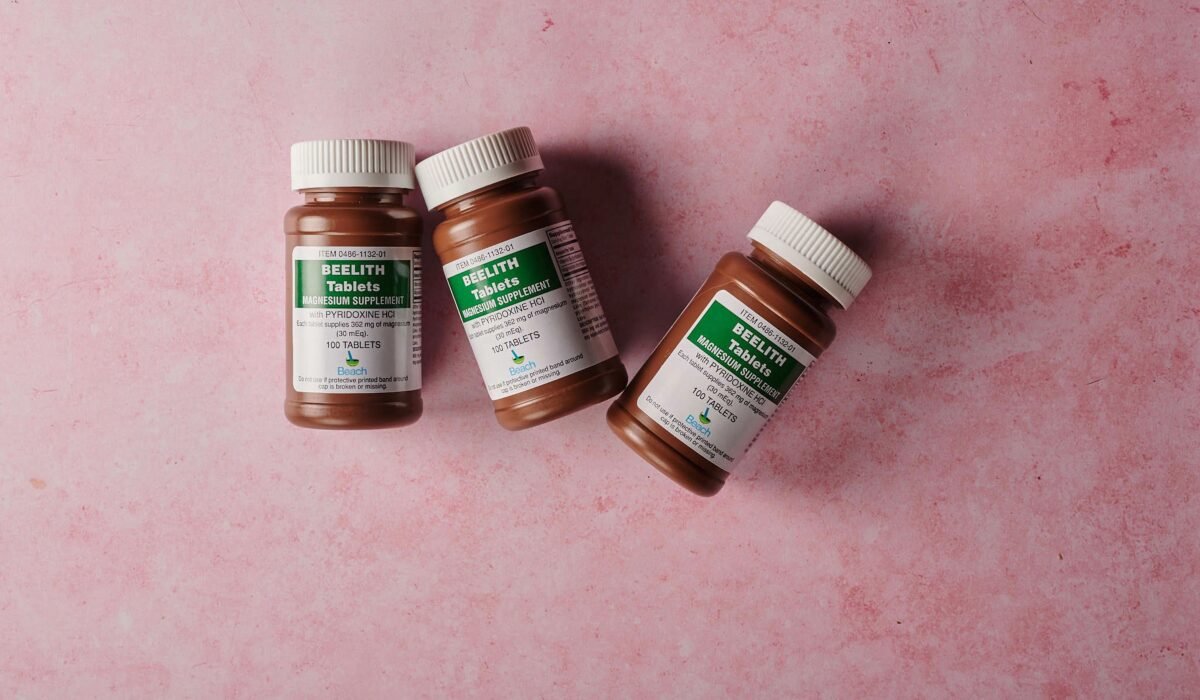
Navigating the bustling world of dietary supplements can feel overwhelming, especially when you’re trying to figure out what to know before buying supplements. With a market valued at hundreds of billions globally and countless products promising everything from enhanced energy to improved immunity, it’s easy to get lost in the marketing hype. As a health and wellness content researcher, my goal is to equip you with the essential knowledge needed to make truly informed decisions, protecting both your health and your wallet.
What Should You Consider Before Buying Supplements?
Before adding any supplement to your cart, it’s crucial to pause and consider a few fundamental questions. The landscape of dietary supplements is vast, with approximately 63% of U.S. adults consuming at least one in 2024, reflecting a growing health consciousness. However, this popularity doesn’t equate to universal benefit or safety.
The first step in understanding what to know before buying supplements is to evaluate your personal needs and existing health status. Are you genuinely deficient in a nutrient, or are you hoping for a quick fix for a complex health issue? Often, optimizing your diet and lifestyle can provide similar, if not superior, benefits without the potential risks associated with supplements. Always remember that supplements are designed to *supplement* a healthy diet, not replace it.
Do Supplements Really Work? Understanding Efficacy and Evidence
This is arguably the most critical question when considering any supplement purchase. Many dietary supplements are marketed with bold claims, but the scientific evidence supporting their efficacy often varies wildly. Unlike pharmaceutical drugs, supplements don’t have to prove their effectiveness before hitting the market.
For example, a June 2024 NIH cohort study of nearly 400,000 U.S. adults found that multivitamin use was not associated with a lower all-cause mortality risk. This highlights a common issue: popular belief often outpaces robust scientific evidence for supplements. When evaluating a product, always prioritize those backed by scientific evidence for supplements from reputable, peer-reviewed studies, not just anecdotal testimonials or influencer marketing.
Distinguishing Hype from Science
Here’s the thing: many supplements simply lack the rigorous testing that medicines undergo. The burden of proof for safety and effectiveness largely falls on the manufacturer, and the FDA only steps in *after* a product is on the market if issues arise. To truly understand if a supplement works, look for clinical trials, meta-analyses, and systematic reviews published in scientific journals.
Be wary of products making claims that sound too good to be true, such as “miracle cure” or “lose weight fast with no effort.” As Dr. Randy Foss of Mayo Clinic Health System advises, “If it sounds too good to be true, it probably is.” Always do your own research rather than blindly trusting product advertising. For a deeper dive into vetting claims, you might find our Supplement Comparison Guide helpful.
How Do You Know if a Supplement is Safe? Risks, Side Effects & Dangers
Safety is paramount, yet it’s often overlooked in the quest for health benefits. Many consumers assume that “natural” means safe, but this is a dangerous misconception. Dietary supplements account for an estimated 23,000 emergency room visits in the U.S. each year, highlighting significant dietary supplement dangers.
Potential risks range from contamination and mislabeling to interactions with medications and adverse health effects from high doses. Between 2004 and 2021, the FDA Center for Food Safety and Applied Nutrition received 79,071 reports of adverse events supplements related to supplement use. Professor Rob Chilcott, Head of Toxicology at the University of Hertfordshire, notes that “supplements aren’t FDA-approved like prescription drugs, so there is a risk they could be contaminated by or cut with other substances not mentioned on the packaging.”
Common Safety Concerns
- Contamination: Supplements can contain undeclared ingredients, including prescription drugs, heavy metals, or banned substances, especially in weight loss, sexual enhancement, and bodybuilding products.
- Mislabeled Ingredients: A 2023 study found that 89% of 57 dietary supplements tested did not accurately list the ingredients they contained on their labels. This means you might not be getting what you pay for, or worse, you could be taking something harmful.
- High Doses: Taking too much of certain vitamins or minerals can be toxic. For instance, excessive Vitamin A can lead to liver damage, and too much iron can cause organ damage. Understanding the risks of taking too many supplements is crucial.
- Unapproved Substances: Some supplements contain ingredients not approved for dietary supplement use, which can pose serious health risks.
For more detailed information on specific risks, you can refer to our article on Supplement Side Effects Explained: Your Guide to Safe Use.
Navigating Supplement Regulations: What the FDA Doesn’t Do
Understanding the regulatory environment is a key part of what to know before buying supplements. This is where dietary supplements differ most significantly from prescription drugs. The FDA does not approve dietary supplements for safety or effectiveness before they are marketed. Instead, manufacturers are responsible for ensuring their products are safe and accurately labeled.
As Randy Foss, M.D., of Mayo Clinic Health System states, “Companies can sell dietary supplements without doing any safety testing and before seeking FDA approval.” The FDA only has the authority to take action *after* a product reaches the market if it is found to be adulterated or misbranded. This post-market surveillance approach means that potentially unsafe or ineffective products can be widely available before regulatory bodies intervene.
The Gaps in Dietary Supplement Regulation
The current framework, established by the Dietary Supplement Health and Education Act (DSHEA) of 1994, places the primary responsibility on manufacturers. This means:
- Manufacturers do not need to register their products with the FDA or get approval before selling them.
- They are responsible for ensuring the safety of their products and that label claims are truthful and not misleading.
- The FDA must prove a supplement is unsafe before it can be removed from the market, which can be a lengthy process.
- The FDA issues FDA warning letters to companies that violate regulations, but these often come after a product has already been sold to consumers.
The American College of Physicians (ACP) recommends bolstering the FDA’s post-market surveillance authority, including strengthening mandatory recall authority and enhancing adverse event reporting systems, to better protect consumers.
Choosing Quality: How to Vet Supplement Manufacturers & Brands
Given the limited regulatory oversight, the onus is largely on you, the consumer, to choose quality supplements. This means looking beyond marketing claims and delving into the practices of manufacturers and brands. This is a critical aspect of what to know before buying supplements to ensure you’re getting a safe and effective product.
One of the most reliable indicators of quality is third-party tested supplements. These independent organizations verify that a product contains the ingredients listed on the label, in the amounts specified, and is free from harmful contaminants like heavy metals, pesticides, and undeclared drugs. This goes beyond what manufacturers are required to do.
Reputable Third-Party Certifications
When you’re trying to figure out how to check supplement quality, look for seals from these well-known organizations:
- USP (U.S. Pharmacopeia): Verifies ingredient identity, potency, purity, and manufacturing process.
- NSF International: Certifies that products contain what they claim and are free of contaminants. They also offer a “Certified for Sport” program.
- ConsumerLab.com: An independent tester that publishes comprehensive reviews and ratings of supplements based on laboratory analysis.
- Informed-Sport/Informed-Choice: Focuses on testing for banned substances, particularly important for athletes.
Beyond certifications, research the brand’s reputation. Do they have a history of recalls or FDA warning letters? Are their manufacturing facilities audited by third parties? Transparency about sourcing, testing, and manufacturing processes is a strong indicator of a trustworthy brand.
Supplements and Medication: What You Need to Know About Interactions
Ignoring potential medication interactions supplements can be dangerous. Many common supplements can interfere with prescription and over-the-counter medications, altering their effectiveness or increasing the risk of adverse reactions. This is a crucial piece of information for anyone considering what to know before buying supplements.
Always inform your doctor or pharmacist about all supplements you are taking, even if they seem harmless. This includes vitamins, minerals, herbal remedies, and dietary aids. They can help you identify potential interactions and advise on safe usage.
Common Interaction Categories
Here are some examples of supplement categories known to interact with medications:
- Blood Thinners (e.g., Warfarin, Aspirin): Supplements like ginkgo biloba, garlic, ginger, high-dose vitamin E, and fish oil can increase the risk of bleeding.
- Blood Pressure Medications: Certain herbal supplements such as St. John’s Wort or ginseng can affect blood pressure, either raising or lowering it, which can interfere with the effectiveness of your medication.
- Antidepressants: St. John’s Wort is well-known for interacting with selective serotonin reuptake inhibitors (SSRIs), potentially leading to a dangerous condition called serotonin syndrome.
- Immunosuppressants: Echinacea can stimulate the immune system, potentially counteracting the effects of drugs designed to suppress it.
- Diuretics: Supplements like dandelion or juniper berry can have diuretic effects, potentially leading to dehydration or electrolyte imbalances when combined with prescription diuretics.
This is not an exhaustive list, but it highlights the importance of professional medical advice before combining supplements with any medication. Your healthcare provider can offer personalized guidance based on your specific health profile and prescriptions.
Tailoring Supplement Choices for Your Health Goals (Oral, Weight, Men’s, Women’s Health)
While general advice is helpful, your specific health goals often dictate the types of supplements you might consider. However, it’s vital to approach these niche areas with the same critical eye, understanding what to know before buying supplements for targeted needs. Personalized nutrition is seeing the fastest growth at 15% annually, but personalization doesn’t negate the need for evidence.
Whether you’re looking for support for oral health, weight management, or gender-specific concerns, the principles of efficacy, safety, and quality remain paramount. Always ask: Is there robust scientific evidence for this specific application? Is it safe for my unique health profile? And is the product independently verified for quality?
Targeted Supplement Considerations
- Oral Health: Some probiotics are marketed for oral health, claiming to balance mouth flora. Look for specific strains with clinical research supporting their benefit for gum health or reducing bad breath. Calcium and Vitamin D are crucial for bone and tooth strength, but generally best obtained through diet unless a deficiency is confirmed.
- Weight Management: This category is rife with products that lack evidence. Many “fat burners” or “appetite suppressants” contain stimulants or unproven ingredients and can pose significant health risks. Focus on scientifically backed strategies like diet and exercise, and consult a doctor before considering supplements like fiber or protein powders, which primarily support satiety or muscle maintenance.
- Men’s Health: Supplements for prostate health (e.g., saw palmetto) or testosterone boosting often have mixed scientific backing. Always discuss these with a healthcare provider, especially as some can interact with medications or mask serious conditions.
- Women’s Health: This growing trend includes supplements for menstruation, maternal health, and menopause. While folic acid is crucial during pregnancy, and certain botanicals (e.g., adaptogenic herbs like ashwagandha or rhodiola) are popular for mood and stress, evidence varies. Prioritize those with clear scientific support and always consult a doctor, especially if pregnant, breastfeeding, or managing menopausal symptoms. Our guide on Best Supplements for Seniors also provides insights relevant to age-specific needs.
In my experience, the most effective approach for any health goal is a holistic one, combining a balanced diet, regular exercise, and adequate sleep, with supplements considered only as a targeted intervention under professional guidance.
Making Informed Choices: Beyond the Hype and Marketing
The supplement market is a massive industry, projected to grow to USD 431.7 billion by 2033. This growth is fueled not only by genuine health consciousness but also by pervasive marketing tactics, including influencer endorsements and exaggerated claims. Understanding the psychological factors and marketing strategies that drive purchases is key to making truly informed choices.
Brands often leverage emotional appeals, promising quick fixes for deep-seated insecurities or health concerns. They might highlight anecdotal testimonials over scientific data or use vague terms like “detox” and “natural healing” without providing concrete evidence. This makes it even more important to be critical about what to know before buying supplements.
Strategies for Critical Evaluation
To cut through the noise and avoid becoming a victim of misleading marketing, adopt these strategies:
- Question Everything: If a claim sounds too good to be true, it likely is. Be skeptical of products promising dramatic results without effort.
- Look for Evidence: Demand scientific backing, not just marketing copy. Reputable brands will cite peer-reviewed research.
- Check for Third-Party Verification: As discussed, seals from USP, NSF International, or ConsumerLab.com provide objective assurance of quality.
- Consult Professionals: Your doctor, a registered dietitian, or a pharmacist can offer personalized advice based on your health history and needs. They are your best resource for understanding if a supplement is truly necessary or beneficial for you.
- Be Wary of “Proprietary Blends”: These often hide the exact amounts of each ingredient, making it impossible to assess efficacy or safety.
Remember, the goal is not to dismiss all supplements but to approach them with a discerning, evidence-based mindset. Your health is too important to leave to chance or clever marketing.
Frequently Asked Questions
What supplements should I avoid?
You should generally avoid supplements that make exaggerated claims, lack third-party certifications, or contain proprietary blends without disclosing ingredient amounts. Also, be wary of products marketed for rapid weight loss, sexual enhancement, or muscle building, as these are frequently associated with undisclosed and potentially dangerous ingredients. Always prioritize natural alternatives to supplements like a balanced diet and healthy lifestyle first.
What are the dangers of taking too many supplements?
Taking too many supplements can lead to serious health issues, including nutrient toxicity (e.g., liver damage from excessive Vitamin A), adverse interactions with medications, and gastrointestinal distress. It can also mask underlying health problems that require professional medical attention. Always adhere to recommended dosages and consult a healthcare provider before combining multiple supplements to understand potential adverse events supplements.
How can you tell if a supplement is good quality?
A good quality supplement will typically have third-party certifications from organizations like USP, NSF International, or ConsumerLab.com, indicating independent verification of its ingredients and purity. The manufacturer should be transparent about their sourcing and manufacturing processes, and the product should have clear, accurate labeling. Look for brands that are responsive to inquiries and have a positive reputation for safety and efficacy.
What is the FDA’s role in regulating dietary supplements?
The FDA regulates dietary supplements under a different set of regulations than conventional foods and drug products. While the FDA has the authority to take action against unsafe or misbranded products *after* they are on the market, it does not approve supplements for safety or effectiveness before they are sold. This means that manufacturers are primarily responsible for ensuring their products are safe and that their label claims are truthful and not misleading, a key aspect of dietary supplement regulation.
Making informed decisions about dietary supplements is crucial for your health and well-being. By prioritizing research, understanding regulatory limitations, and seeking professional advice, you can confidently navigate the supplement aisle. Remember, the best approach to health is always holistic, with supplements playing a supportive, evidence-based role. Armed with this knowledge, you are better equipped to understand what to know before buying supplements and choose wisely for your unique health journey.