
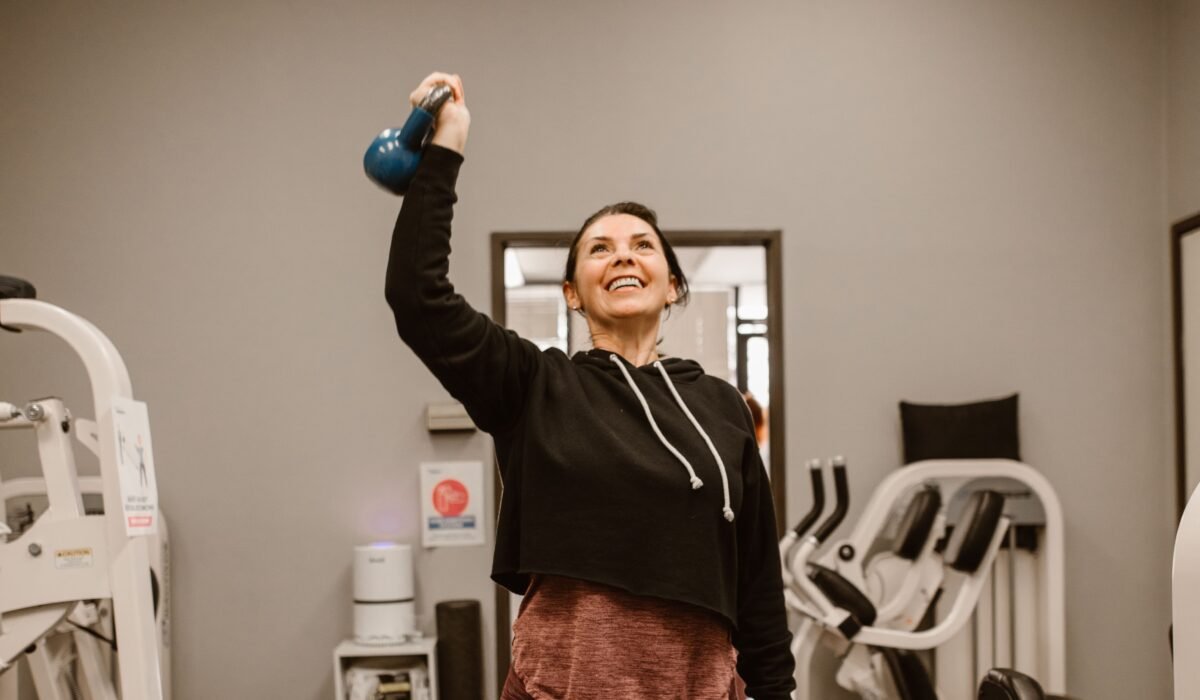
Navigating the complex world of health and wellness can feel overwhelming, especially when generic advice often falls short. This is why Understanding Your Body’s Unique Needs is not just a concept, but the cornerstone of achieving genuine, lasting well-being. This comprehensive guide will help you decode your individual health signals and build a truly personalized path to optimal health in the USA.
What are Your Body’s Core Needs for Optimal Health?
At its most fundamental level, your body requires a consistent set of elements to function optimally and ward off illness. Think of these as the non-negotiables that form the basis of any effective personalized health assessment. Ignoring even one can create a domino effect, impacting your overall vitality.
In my experience, many people get caught up in the latest health fads, overlooking these foundational requirements. Before you dive into advanced strategies, ensure these core needs are met:
- Nutrient-Dense Diet: Fueling your body with whole foods rich in vitamins, minerals, protein, and healthy fats is paramount. This isn’t just about avoiding junk food; it’s about actively seeking out foods that nourish every cell.
- Adequate Hydration: Water is essential for every bodily function, from nutrient transport to temperature regulation. Chronic dehydration can manifest as fatigue, headaches, and impaired cognitive function.
- Regular Physical Activity: Movement is medicine. Whether it’s strength training, cardio, or gentle stretching, consistent activity supports cardiovascular health, bone density, mood, and metabolism.
- Quality Sleep: During sleep, your body repairs itself, consolidates memories, and regulates hormones. Chronic sleep deprivation can severely impact physical and mental health.
- Stress Management: The modern world bombards us with stressors. Learning effective coping mechanisms like mindfulness, meditation, or spending time in nature is crucial for a balanced nervous system.
- Meaningful Social Connection: As humans, we thrive on connection. Strong social ties contribute significantly to mental and emotional well-being, often overlooked as a core health need.
These core needs lay the groundwork for a robust and resilient system, making it easier to interpret body signals and respond effectively.
The 5 Pillars of Wellness: A Holistic View
Beyond the basic physiological requirements, true well-being encompasses a broader, more holistic wellness guide. The concept of “wellness” extends far beyond the absence of disease, integrating various dimensions of human experience. When you commit to Understanding Your Body’s Unique Needs, you’re looking at the whole person, not just isolated symptoms.
Here are the five pillars that form a comprehensive approach to health:
- Physical Wellness: This pillar covers everything from nutrition and exercise to sleep and proper medical care. It’s about maintaining a healthy body through conscious choices and preventive measures. For instance, regular check-ups contribute significantly to long-term physical health.
- Mental Wellness: Encompassing cognitive function, emotional intelligence, and psychological resilience, mental wellness is about fostering a healthy mind. As neuropsychologist Dr. Rick Hanson wisely states, “The brain is good at learning from bad experiences but bad at learning from good ones. You have to consciously take in the good to rewire your brain for happiness.” This highlights the proactive effort needed to cultivate positive mental states.
- Emotional Wellness: This refers to your ability to understand, express, and manage your emotions effectively. It involves navigating life’s ups and downs with grace, building strong relationships, and developing coping mechanisms for stress and adversity.
- Spiritual Wellness: This pillar doesn’t necessarily mean religious adherence, but rather a sense of purpose, meaning, and values in life. It’s about connecting with something larger than yourself, finding inner peace, and aligning your actions with your beliefs.
- Social/Environmental Wellness: This involves fostering healthy relationships, contributing to your community, and living in harmony with your environment. A supportive social network and a clean, safe living space are crucial for overall well-being.
Embracing an integrative health approach means recognizing that these pillars are interconnected. A deficiency in one often impacts the others, underscoring the importance of a balanced, all-encompassing strategy.
How to Understand Your Body’s Unique Needs: A Self-Assessment Framework
General health advice is a starting point, but true progress comes from a personalized health assessment. The key to unlocking optimal well-being is Understanding Your Body’s Unique Needs through careful observation and self-assessment. This isn’t about complex medical tests (though those are valuable); it’s about becoming an expert on your own physiology.
Here’s a practical framework for interpreting body signals and conducting a self-assessment:
- Start a Health Journal: For at least two weeks, meticulously track your food intake, sleep patterns (hours, quality), mood fluctuations, energy levels throughout the day, exercise, and any physical symptoms (e.g., headaches, digestive issues, skin changes). This creates a baseline for your “normal.”
- Tune Into Your Energy Levels: Are you consistently fatigued despite adequate sleep? Do you experience midday slumps? Chronic low energy can signal nutritional deficiencies, poor sleep quality, or excessive stress.
- Observe Your Digestion: Your gut is often called your “second brain.” Pay attention to bloating, gas, regularity, and stool consistency. These are critical indicators of gut health, which impacts everything from immunity to mood.
- Monitor Your Mood and Mental Clarity: Are you often irritable, anxious, or foggy-headed? While external factors play a role, diet, sleep, and stress levels profoundly affect mental well-being.
- Listen to Your Cravings: While sometimes purely emotional, persistent cravings can sometimes point to specific nutritional gaps. For example, a craving for salty foods might indicate electrolyte imbalance.
- Utilize Wearable Technology: Devices like Apple Watch, Fitbit, and Garmin can provide objective data on heart rate variability, sleep stages, activity levels, and even stress metrics. This data can corroborate your subjective observations, offering a powerful tool for self-assessment health. Over 40% of U.S. adults used some form of wearable fitness tracker in 2023, with 70% reporting improved motivation.
- Consult a Professional: After gathering your self-assessment data, share it with a doctor or a registered dietitian. They can help you interpret complex patterns, order relevant tests, and guide you towards evidence-based personalized health solutions.
This systematic approach empowers you to move beyond guessing and truly understand the intricate language your body speaks.
Personalized Health: Decoding Needs for Men & Women
While the core pillars of wellness apply to everyone, a truly personalized health USA approach recognizes that biological differences mean men’s health needs and women’s health concerns often diverge. Ignoring these distinctions would be a disservice to the goal of Understanding Your Body’s Unique Needs.
Men’s Health Needs
Historically, men have been less proactive about their health. According to a 2023 Cleveland Clinic survey, 44% of men do not get a yearly physical, and the same percentage do not prioritize their mental health. This often leads to chronic conditions being diagnosed later.
- Cardiovascular Health: Men are generally at a higher risk for heart disease earlier in life compared to women. Regular screenings for blood pressure, cholesterol, and blood sugar are vital.
- Prostate Health: As men age, prostate issues become more common. Regular check-ups and discussions with a doctor about prostate cancer screening are important.
- Mental Health: Men often face societal pressures that discourage discussing mental health struggles, leading to higher rates of untreated depression and anxiety. Georges-Pascal Haber, M.D., Ph. D., Chair of Urology at Cleveland Clinic, stresses, “We know that there is a direct relationship between a man’s physical, mental and sexual health.” This highlights the interconnectedness.
- Testosterone Levels: Hormonal balance is critical. Low testosterone can affect energy, mood, muscle mass, and libido.
- Preventive Care: Emphasizing yearly physicals and proactive lifestyle choices can significantly improve life expectancy, which in 2022 was 74.8 years for American men, 5.4 years less than women.
Women’s Health Concerns
Women’s health is characterized by unique hormonal cycles, reproductive considerations, and distinct risk factors for certain conditions.
- Hormonal Balance: From menstruation to pregnancy and menopause, women’s bodies experience significant hormonal fluctuations that impact mood, energy, bone density, and metabolism.
- Reproductive Health: Regular gynecological exams, breast cancer screenings, and discussions around contraception and fertility are central. Maternal mortality in the U.S. was 17.9 deaths per 100,000 live births in 2024, emphasizing critical care needs.
- Bone Health: Women are at a higher risk for osteoporosis, especially post-menopause. Calcium and Vitamin D intake, along with weight-bearing exercise, are crucial.
- Mental Health: Women are more likely to experience depression and anxiety. Depression increased 11% among women between 2019-2020 and 2021-2022, highlighting the need for robust mental health support.
- Autoimmune Diseases: Women are disproportionately affected by autoimmune conditions like lupus and rheumatoid arthritis. Early detection and management are key.
Recognizing these demographic health needs allows for targeted interventions and truly effective health planning.
Tailoring Wellness by Age: From Young Adults to Seniors
Your body’s requirements aren’t static; they evolve significantly throughout your lifespan. What works for a twenty-something athlete might not be appropriate for a sixty-year-old managing chronic conditions. This principle of age-specific wellness is central to effectively Understanding Your Body’s Unique Needs at every stage of life.
Young Adults (18-30s)
This is often a period of peak physical health, but also one where lifestyle habits are formed. The focus here is on building strong foundations and preventing future issues.
- Key Focus: Bone density (calcium, Vitamin D, weight-bearing exercise), muscle mass, stress management (academic/career pressures), healthy eating habits to avoid the “freshman fifteen” or early career weight gain.
- Challenges: High-stress environments, irregular sleep patterns, social pressures around diet and alcohol, lack of consistent primary care.
Middle-Aged Adults (40s-50s)
Metabolism often slows, hormonal shifts begin, and the risk of chronic diseases starts to increase. This is a critical period for proactive health management.
- Key Focus: Cardiovascular health (monitoring blood pressure, cholesterol), weight management (due to metabolic changes), cancer screenings (colonoscopies, mammograms), hormonal balance (perimenopause for women, testosterone for men), joint health.
- Challenges: Managing family and career demands (leading to stress and less time for self-care), increased risk of type 2 diabetes and hypertension, maintaining muscle mass.
Seniors (60s and Beyond)
Maintaining independence and quality of life becomes paramount. The focus shifts to managing existing conditions, preserving cognitive function, and preventing falls.
- Key Focus: Bone health (preventing fractures), cognitive function (brain-boosting activities, nutrient-rich diet), muscle strength (to prevent sarcopenia and falls), managing chronic diseases (arthritis, heart disease, diabetes), sensory health (eyesight, hearing).
- Challenges: Polypharmacy (managing multiple medications), social isolation, mobility issues, increased risk of nutritional deficiencies due to appetite changes or absorption issues.
Tailoring wellness by age means understanding these evolving priorities and adjusting your health strategies accordingly.
Integrating Niche Health Areas: Supplements, Oral Health & Weight Management
Beyond the fundamental and age-specific needs, certain niche health areas play a crucial role in a comprehensive wellness strategy. For a truly holistic approach to Understanding Your Body’s Unique Needs, it’s essential to integrate considerations for dietary supplements, oral health, and weight management into your personalized plan.
Dietary Supplements & Your Needs
Dietary supplements can bridge nutritional gaps, but they are not a substitute for a healthy diet. As a health and wellness content researcher specializing in dietary supplements, I’ve seen firsthand how crucial it is to approach supplementation intelligently. According to the 2024 CRN Consumer Survey, 75% of Americans use dietary supplements, with 42% citing overall health and wellness as their primary motivation. More women (66.1%) than men (53.9%) reported using them.
- Personalized Approach: Your dietary supplement needs are unique. Factors like diet, lifestyle, age, gender, and pre-existing conditions all influence what might be beneficial. For example, vegetarians may need B12, while many Americans benefit from Vitamin D due to limited sun exposure.
- Evidence-Based Choices: Don’t just follow trends. Look for supplements backed by scientific research and third-party testing. Jeff Ventura, Senior Vice President of Communications at CRN, notes, “We continue to see consumers exploring new specialty products and embrace personalized health solutions.” This trend underscores the importance of informed decisions.
- Consult a Professional: Always discuss supplement use with your doctor or a registered dietitian, especially if you’re on medication, as interactions can occur.
For more detailed information, consider reading our Beginner’s Guide USA Health Supplements.
The Importance of Oral Health
Often overlooked, oral health is a powerful indicator of overall systemic health. It’s not just about a pretty smile; it’s about preventing infections and managing inflammation that can affect the entire body.
- Systemic Connection: Poor oral health, particularly periodontal disease (gum disease), has been linked to heart disease, diabetes, stroke, and even adverse pregnancy outcomes. James W. Hutchison, President & CEO, Delta Dental Plans Association, emphasizes this, stating, “The findings from this year’s report underscore adults’ understanding of oral health’s relationship to whole person wellness, including its impact on physical, mental, and financial health.”
- Prevalence: In 2023, 65.5% of adults had a dental exam, but 21% of adults aged 20-64 have untreated tooth decay, and 42.2% of adults aged 30 and over have some form of periodontal disease.
- Preventive Care: Regular brushing, flossing, and dental check-ups are essential. Don’t wait for pain; preventive care is key to identifying and addressing issues early. You can find more information on oral health and its impact at authoritative sources like the Delta Dental Plans Association.
Effective Weight Management Strategies
Weight management is a complex interplay of diet, exercise, genetics, hormones, and lifestyle. It’s not a one-size-fits-all endeavor, and effective strategies must be tailored to individual needs.
- Personalized Approach: “Weight management strategies” should align with your unique metabolism, activity level, and dietary preferences. What works for one person might not work for another. For women over 40, for example, hormonal changes significantly impact weight, requiring specific considerations.
- The Role of GLP-1 Medications: Prescription GLP-1 drugs like Wegovy, Ozempic, Saxenda, Mounjaro, and Zepbound have revolutionized the weight loss market, doubling sales from $5.1 billion in 2022 to $11.9 billion in 2023. These represent a significant shift towards medical weight management programs, offering new avenues for those for whom traditional methods haven’t been sufficient.
- Holistic View: Beyond diet and exercise, consider sleep, stress, and even gut health as crucial components of weight management. A personalized health assessment often reveals underlying factors contributing to weight challenges.
For specific guidance on supplements for weight management, especially for women in certain age brackets, explore our article on Best Weight Loss Supplements for Women Over 40.
Actionable Steps to Meet Your Body’s Needs
You’ve learned about the core needs, holistic pillars, and how to conduct a self-assessment. Now, it’s time to translate that knowledge into tangible actions. Meeting your body’s needs isn’t about perfection; it’s about consistent, informed effort. This is where the rubber meets the road in your journey of Understanding Your Body’s Unique Needs.
Here are actionable steps you can take today:
- Start with Small, Sustainable Changes: Don’t try to overhaul everything at once. Pick one or two areas from your self-assessment framework that need the most attention (e.g., adding 30 minutes of walking daily, swapping one sugary drink for water, improving sleep hygiene). Consistency trumps intensity.
- Prioritize Nutrient-Dense Foods: Focus on incorporating more fruits, vegetables, lean proteins, and whole grains into every meal. Aim for a balanced plate rather than strict restriction. This fuels your body and supports optimal function.
- Hydrate Consciously: Keep a water bottle handy and sip throughout the day. Aim for at least 8 glasses, more if you’re active. Proper hydration profoundly impacts energy and cognitive clarity.
- Move Your Body Daily: Find an activity you enjoy and make it a regular part of your routine. This could be dancing, gardening, brisk walking, or hitting the gym. The goal is consistent, enjoyable movement.
- Cultivate Mindful Stress Reduction: Integrate practices like deep breathing, meditation, or spending time in nature into your day. Even five minutes can make a difference in managing your stress response.
- Seek Professional Guidance: Don’t hesitate to consult a doctor, registered dietitian, or certified personal trainer. They can provide tailored advice, conduct specific tests, and help you navigate complex health challenges. Programs like USA Health’s Integrative Health and Wellness Program exemplify a holistic approach, combining evidence-based nutrition with personal wellness plans.
- Regularly Re-evaluate Your Needs: Your body is dynamic. What it needed last year might be different today. Periodically revisit your self-assessment, interpret new body signals, and adjust your strategies accordingly. This ongoing process is key to long-term personalized health.
Remember, building a healthier you is a marathon, not a sprint. Celebrate small victories and stay committed to the process.
Frequently Asked Questions
What is body needs for health?
Your body’s core needs for health include adequate nutrition, hydration, regular physical activity, quality sleep, and effective stress management. These fundamental requirements form the basis for optimal physical and mental function, and neglecting any one can negatively impact overall well-being.
What are the 5 core areas of wellness?
The 5 core areas of wellness are Physical, Mental, Emotional, Spiritual, and Social/Environmental. These interconnected pillars collectively contribute to a holistic state of well-being, emphasizing that health extends beyond just the absence of illness and encompasses various dimensions of human experience.
What does your body need daily to be healthy?
Daily, your body needs a balanced intake of macro and micronutrients from whole foods, consistent hydration (primarily water), regular physical activity (at least 30 minutes of moderate intensity), 7-9 hours of quality sleep, and opportunities for stress reduction. These daily habits are crucial for maintaining energy, supporting bodily functions, and promoting long-term health.
How can I understand my body better?
You can understand your body better by practicing self-awareness through a health journal, tracking energy levels, observing digestion and mood, listening to cravings, and utilizing wearable technology. This systematic self-assessment allows you to interpret your body’s unique signals and make informed decisions about your health and wellness.
Achieving optimal health in the USA isn’t about following universal rules, but about Understanding Your Body’s Unique Needs. By embracing a personalized approach, paying attention to your body’s signals, and integrating tailored strategies for your age and gender, you can unlock a path to lasting well-being. Start today by implementing small, actionable steps and commit to being an active participant in your health journey.