
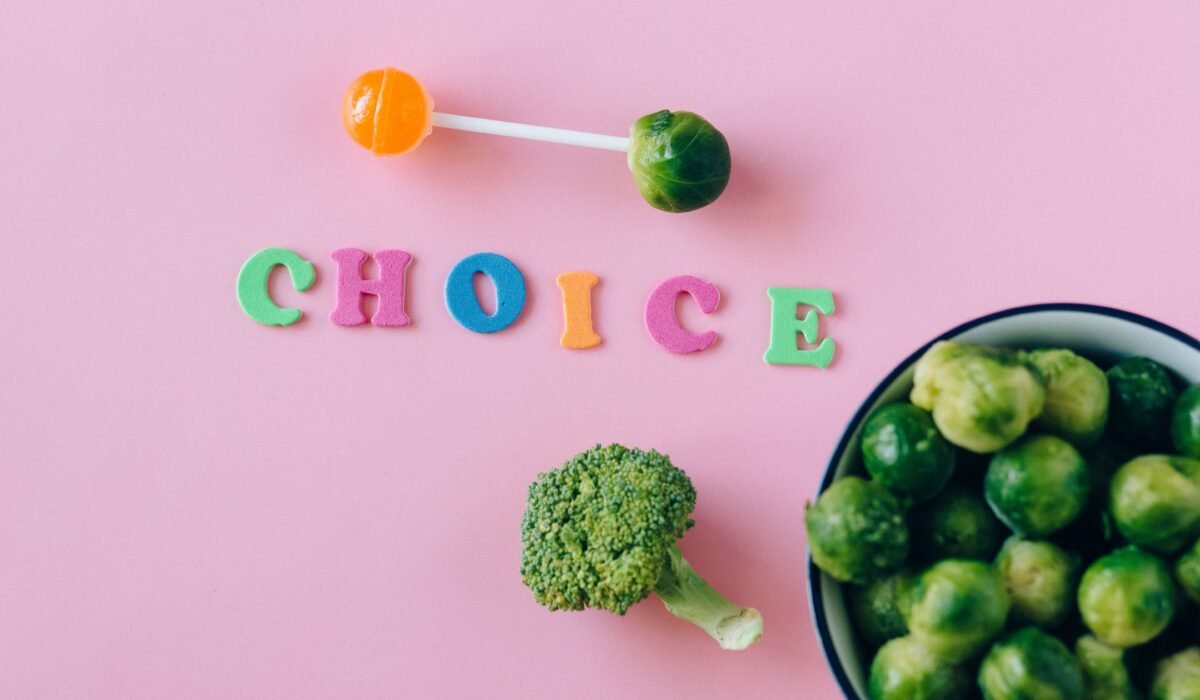
When it comes to navigating the ever-evolving landscape of wellness, understanding the distinction between USA health fads hype vs helpful information is crucial for your well-being. The American health scene is a vibrant, sometimes chaotic, marketplace of ideas, products, and practices, making it challenging to discern what genuinely supports your health goals from what’s merely fleeting trend. As a health and wellness content researcher specializing in dietary supplements and ingredient analysis, my aim is to cut through the noise and provide a data-driven guide to help you make informed decisions about your health and wellness journey.
What are the biggest USA health fads currently trending?
The health and wellness market in the USA is booming, fueled by a collective desire for better health, longevity, and disease prevention. We’re seeing a significant rise in interest across several categories, often driven by social media and celebrity endorsements. The U.S. dietary supplement market alone reached $69.3 billion in 2024, demonstrating a clear consumer appetite for health solutions.
Here are some of the most prominent health trends capturing attention right now:
- Weight Loss Injectables (GLP-1 Agonists): Medications like Ozempic and Wegovy have revolutionized the weight-loss landscape, with their use among U.S. adults projected to rise significantly. While highly effective for many, their long-term implications and accessibility remain key discussion points.
- Intermittent Fasting: This eating pattern, which cycles between periods of eating and voluntary fasting, continues to be popular for weight management and metabolic health benefits, including cellular health.
- Magnesium Supplementation: Often touted as a “cure-all” mineral, magnesium supplements are flying off shelves, with claims ranging from improved sleep and reduced anxiety to better blood pressure.
- Cold Plunging & Thermal Stress Practices: Inspired by wellness gurus, cold exposure practices are gaining traction for purported benefits in stress reduction, inflammation, and athletic recovery.
- Medicinal Mushrooms & Adaptogens: From mushroom coffee to various adaptogenic blends, these natural ingredients are popular for their potential to support stress management and overall vitality.
- Vagus Nerve Stimulation: Discussions around “hacking” the vagus nerve for nervous system regulation and stress relief are prevalent, often linked to practices like deep breathing and cold exposure.
- Plant-Based Eating: Beyond veganism, there’s a growing movement towards incorporating more “real” plant-based items, emphasizing whole vegetables, pulses, nuts, and seeds over ultra-processed alternatives.
- Wearable Health Technology: Smartwatches and other devices are moving beyond basic monitoring, adding more sophisticated screening features to warn users of potential health issues early on.
These wellness trends reflect a broader societal shift towards proactive health management, but it’s essential to critically evaluate each one.
How to tell if a USA health fad is hype vs. helpful?
Distinguishing between genuine advancements and fleeting fads can feel like a full-time job. As a researcher, I’ve seen countless trends come and go, and the key often lies in asking the right questions. The core of understanding USA health fads hype vs helpful lies in a critical, evidence-based approach.
Here’s how to evaluate a new health trend:
- Look for Scientific Evidence: Is the trend backed by rigorous, peer-reviewed scientific studies, preferably from multiple independent sources? Be wary of claims based solely on anecdotal evidence, testimonials, or preliminary animal studies. Reputable sources like the National Institutes of Health (NIH) or the Centers for Disease Control and Prevention (CDC) are excellent starting points for verifying claims.
- Consider the Source: Who is promoting this trend? Is it a qualified healthcare professional (doctor, registered dietitian, exercise physiologist) or an influencer with no relevant credentials? Marketing from companies selling products related to the fad should always be viewed with skepticism.
- Promises vs. Reality: Does the trend promise quick fixes, dramatic results, or a “secret cure” for a wide range of ailments? Most truly helpful health practices require consistent effort and offer gradual, sustainable improvements. Be especially cautious of “wellness fads debunked” by medical professionals.
- Cost and Accessibility: Is the trend prohibitively expensive or difficult to maintain long-term? Sustainable wellness trends are often accessible and can be integrated into everyday life without significant financial strain.
- Consult a Professional: Before making any drastic changes to your diet or lifestyle, especially if you have existing health conditions, always consult your doctor or a registered dietitian. They can provide personalized nutritional advice and help you navigate potential risks. This is especially important when considering dietary supplements or significant changes in your eating patterns.
- Check for Red Flags: Be wary of phrases like “detox,” “cleanse,” “miracle cure,” or claims that defy basic biology. These are often indicators of potential health scams USA.
Ultimately, a helpful trend will align with established principles of good health, focusing on balance, moderation, and sustainability, rather than extreme restrictions or expensive, unproven solutions.
The Truly Helpful: Science-Backed Health Trends for Longevity
While the spotlight often shines on the newest, flashiest fads, many of the most effective strategies for health and longevity are well-established and consistently supported by scientific evidence. These are the proven health practices that stand the test of time, forming the bedrock of sustainable wellness.
* Evidence-Based Dietary Patterns: Diets like the Mediterranean, DASH (Dietary Approaches to Stop Hypertension), and MIND (Mediterranean-DASH Intervention for Neurodegenerative Delay) consistently rank as top overall diets. They emphasize whole foods, abundant fruits and vegetables, lean proteins, and healthy fats. As registered dietitian Monica Bearden notes, “Nutrition trends gaining steam in 2024 include eating patterns to support emotional wellness and brain health, with a focus on fresh foods.” These patterns are crucial for chronic disease prevention and supporting a longer, healthier life.
* Prioritizing Quality Sleep: The importance of sleep for every aspect of health—from cognitive function and mood to immune response and metabolic regulation—cannot be overstated. Research continues to highlight its critical role, leading to a surge in interest in sleep optimization technologies and practices like strict sleep hygiene.
* Regular Physical Activity: Beyond structured workouts, engaging in movement as a hobby, such as rucking (walking with a weighted backpack) or dance, is gaining popularity. This approach makes exercise more enjoyable and sustainable, fostering holistic health benefits. David Chesworth, an exercise physiologist, emphasizes that “the concept of longevity has been, and continues to be an overarching hot topic,” with physical activity being a cornerstone.
* Mindfulness and Stress Management: Techniques like meditation, deep breathing, and spending time in nature are increasingly recognized for their profound impact on mental and physical health. Managing chronic stress is vital, as it can contribute to numerous health issues.
* Social Connection: Strong social ties are consistently linked to greater longevity and overall well-being. Cultivating meaningful relationships is a powerful, yet often overlooked, aspect of preventive health.
These practices aren’t “fads” in the traditional sense; they are fundamental pillars of health, continuously reinforced by scientific consensus. They offer reliable pathways to improved health outcomes without the marketing hype.
Promising but Unproven: Evaluating Emerging Wellness Trends
Some health trends show promise, backed by early research or plausible mechanisms, but lack the robust, long-term human studies needed for definitive recommendations. These fall into a grey area when considering USA health fads hype vs helpful advice. They warrant cautious optimism and further investigation.
* Intermittent Fasting (IF): While popular for weight loss fads and metabolic health, and increasingly lauded for cellular health, experts like Monica Bearden acknowledge its popularity but suggest it might not work for everyone. While some studies show benefits, it’s not a universal solution, and long-term effects across diverse populations are still being studied. For some, it can lead to nutrient deficiencies or disordered eating patterns if not approached carefully.
* Magnesium Supplementation: Often presented as a “cure-all mineral,” magnesium is indeed vital for hundreds of bodily functions. However, most people can get sufficient magnesium from a balanced diet rich in leafy greens, nuts, seeds, and whole grains. Dietitians recommend obtaining magnesium from foods rather than solely relying on supplements to avoid overdoing it, which can cause digestive issues. For those with confirmed deficiencies or specific conditions, supplementation can be helpful, but it’s not a blanket recommendation.
* Medicinal Mushrooms (beyond culinary use): While many medicinal mushrooms are adaptogenic and show potential for supporting stress response and immune health, the specific benefits of highly concentrated extracts or powders often require more rigorous clinical trials. Cooking with various types of mushrooms for broader nutritional benefits is a well-established practice, but the “hacking” claims of some specific mushroom supplements need more scrutiny.
* Vagus Nerve “Hacking”: The vagus nerve plays a crucial role in regulating the nervous system. Practices like deep breathing, meditation, and cold exposure can indeed influence vagal tone and promote relaxation. However, the more direct “hacking” claims for immediate stress management or specific health conditions often outpace the current scientific understanding. While the concept is sound, the specific application needs more research.
When exploring these trends, remember that “promising” is not the same as “proven.” Approach them with curiosity but also with a healthy dose of skepticism, and always prioritize foundational health practices.
Situational & Personalized: When “Hype” Might Actually Be Helpful
Sometimes, a health fad that seems like pure hype can actually be helpful, but only under specific circumstances or for certain individuals. This is where personalized health plans become critical, moving beyond a one-size-fits-all approach to wellness. The question of USA health fads hype vs helpful isn’t always black and white; it often exists on a spectrum.
* GLP-1 Agonists (Ozempic, Wegovy): These injectable weight-loss medications are currently at their peak popularity. While widely discussed, they are not a casual weight loss solution. As Dena Arumugam, M.D., a bariatric surgeon, notes, “They can be a great add-on to healthy eating and exercise, and they have a lot of potential to help people.” However, she cautions, “We don’t yet know enough about keeping people on these medications long-term or changing medications.” These are powerful prescription drugs for individuals with obesity or type 2 diabetes, not a generic weight loss aid for everyone. Their effectiveness is undeniable for appropriate candidates, but they come with potential side effects and require medical supervision.
* Intermittent Fasting: While it might not work for everyone, for some individuals, particularly those with specific metabolic goals or those who struggle with consistent calorie intake throughout the day, IF can be an effective tool for weight management and metabolic health. It’s crucial, however, to ensure adequate nutrient intake during eating windows and to monitor individual responses. It’s situational, not universally beneficial.
* Cold Plunging/Thermal Stress Practices: For athletes, cold exposure is a documented effective recovery strategy. Some evidence also suggests mental health benefits, possibly due to dopamine and endorphin release. While the broader “biohacking” claims may be hype, for specific populations or those seeking certain physiological responses, these practices can be genuinely helpful when done safely and appropriately.
* Rigorous Fad Diets (e.g., Keto): Dena Arumugam also comments that rigorous fad diets like keto are “doable short term but hard long term.” For some individuals with specific medical conditions (e.g., epilepsy for keto), or those needing rapid, short-term weight loss under medical supervision, such diets might be situationally helpful. However, for general, sustainable weight management and overall health, their restrictive nature often makes them impractical and potentially detrimental in the long run.
The takeaway here is that what’s hype for one person could be genuinely helpful for another, especially when guided by medical professionals and tailored to individual needs. Understanding your body’s unique needs is paramount.
Potentially Harmful: Health Fads to Approach with Caution
Not all health fads are benign; some can be genuinely harmful, leading to nutrient deficiencies, dangerous interactions, or even toxic effects. As a researcher specializing in dietary supplements, I’ve seen the dark side of unregulated products and unsupported health claims. It’s imperative to recognize these “health trends to avoid” for your safety.
Here are some categories of health fads that warrant extreme caution:
* Extreme Detoxes and Cleanses: Products promising to “detox” your body are almost universally unnecessary and can be dangerous. Your liver and kidneys are highly efficient detox organs. These fads often involve severe calorie restriction, laxatives, or unproven concoctions that can lead to dehydration, electrolyte imbalances, nutrient deficiencies, and even organ damage.
* Unregulated Dietary Supplements with Unproven Claims: The U.S. dietary supplement market is vast, with herbal supplement sales hitting a record $13.231 billion in 2024. However, not all supplements are created equal. Many products, especially those marketed for rapid weight loss or “miracle cures,” contain undisclosed ingredients, dangerous stimulants, or are contaminated. For example, supplements touted as “nature’s Ozempic” like berberine often lack robust evidence for weight loss comparable to prescription medications, and can interact with other drugs. Always check for third-party testing and consult a healthcare professional before taking any new supplement. You can learn more about understanding common dietary supplement label claims to make smarter choices.
* Unsupervised Use of Prescription Medications for Off-Label Purposes: The rise of GLP-1 agonists has led to some individuals seeking these powerful drugs without proper medical guidance or prescription. This can be incredibly dangerous, leading to severe side effects, drug interactions, and potentially life-threatening complications.
* “Raw Water” or Unfiltered Water Consumption: Despite some proponents claiming benefits, consuming untreated, unfiltered water carries significant risks of bacterial, viral, and parasitic infections that can cause severe gastrointestinal illness.
* Extreme Calorie Restriction or Single-Food Diets: While some diets focus on specific foods, those that severely restrict calories or rely on only one or two food items are unsustainable and can lead to severe nutrient deficiencies, muscle loss, and metabolic slowdown.
The allure of a quick fix is strong, but when it comes to your health, shortcuts can lead to serious harm. Always prioritize safety and evidence-based practices over unverified claims.
Beyond the Buzz: Expert Tips for Navigating Health Claims
In a world saturated with health information, developing a discerning eye is your most powerful tool. My expertise in analyzing ingredients and consumer reviews has taught me that critical thinking is paramount. Navigating the constant stream of health claims requires a strategic approach to separate the wheat from the chaff.
Here are my expert tips for making informed decisions:
* Prioritize Whole Foods: As registered dietitian Jackie Newgent suggests, a shift towards “more ‘real’ plant-based items that feature wholesome vegetables, pulses, nuts, seeds and other plants” is a positive trend. Focus your diet on unprocessed, nutrient-dense foods. This foundational approach often negates the need for many trendy dietary supplements.
* Be Skeptical of “Biohacking” Claims: While some biohacking principles are rooted in science, many claims go far beyond what current evidence supports. Be wary of expensive gadgets or extreme protocols promising to “optimize” every aspect of your biology without robust proof.
* Understand the Role of Supplements: Supplements are meant to *supplement* a healthy diet, not replace it. As Monica Bearden advises, “Rather than relying on supplements or other wellness products, the preferred way to get fiber, prebiotics and probiotics is to eat plenty of the right foods.” Before considering any supplement, assess your dietary gaps and consult a healthcare provider. You might find our Beginner’s Guide USA Health Supplements helpful.
* Embrace Wearable Technology Wisely: Christine Lemke, co-founder and CEO of Evidation, predicts “wearable devices and smartwatches will continue to move beyond monitoring and add more screening features.” These tools can offer valuable insights into your activity, sleep, and heart rate, empowering you to make data-driven choices. However, they are not diagnostic tools and should not replace professional medical advice.
* Seek Credible Sources: Rely on information from medical institutions, government health organizations, and qualified health professionals. Be wary of information found solely on social media or personal blogs without verifiable sources. When researching, always ask: “Where did this information come from?”
* Listen to Your Body: While external advice is important, your body often provides the best feedback. Pay attention to how different foods, exercises, or practices make you feel. What works for one person may not work for you.
* Focus on Sustainable Habits: True health comes from consistent, manageable habits, not drastic, short-term overhauls. Small, everyday healthy habits often yield the most significant long-term benefits.
By adopting these critical thinking strategies, you can confidently navigate health claims and build a wellness routine that truly serves you.
Making Informed Choices: Your Guide to Sustainable Wellness in the USA
In the pursuit of optimal health, making informed choices is paramount. The landscape of wellness in the USA is constantly evolving, presenting both exciting innovations and misleading distractions. Your journey to sustainable wellness hinges on your ability to discern what genuinely benefits you from what simply generates buzz.
Here’s your action plan for sustainable wellness:
- Educate Yourself Continuously: Stay curious about new health trends, but always cross-reference information with reputable, scientific sources. Don’t take claims at face value.
- Consult Healthcare Professionals: Establish a relationship with a doctor, a registered dietitian, or a certified exercise physiologist. They can offer personalized advice based on your unique health profile and goals.
- Focus on Fundamentals: Prioritize a balanced diet rich in whole foods, regular physical activity, adequate sleep, and effective stress management. These are the cornerstones of health that no fad can replace.
- Be Patient and Consistent: Sustainable health improvements take time and effort. Avoid the temptation of quick fixes and embrace a long-term perspective.
- Question Everything: Especially if something sounds too good to be true, it probably is.
By empowering yourself with knowledge and critical thinking, you can confidently navigate the dynamic world of health and wellness, making choices that truly support your longevity and well-being.
Frequently Asked Questions
What are the biggest health fads in the USA right now?
Currently, major health fads in the USA include the rise of GLP-1 weight loss injectables, intermittent fasting, magnesium supplementation for various ailments, and practices like cold plunging. There’s also significant interest in medicinal mushrooms and “hacking” the vagus nerve for stress relief.
How can I tell if a health trend is legitimate or just a fad?
To determine legitimacy, look for robust scientific evidence from reputable sources, consider the credentials of those promoting it, and be wary of quick-fix promises. Consulting a healthcare professional before adopting any new trend is always a smart move to ensure it’s safe and appropriate for you.
Are popular dietary supplements actually effective?
The effectiveness of dietary supplements varies widely; some have strong scientific backing for specific deficiencies or conditions, while many others lack robust evidence. It’s crucial to research individual ingredients, prioritize getting nutrients from whole foods, and consult a doctor or dietitian before taking supplements, especially given the rapid growth of the U.S. dietary supplement market.
What are some proven health and wellness practices for 2024?
Proven health practices for 2024 and beyond include adopting evidence-based eating patterns like the Mediterranean diet, prioritizing quality sleep, engaging in regular physical activity (even enjoyable movement like rucking), and practicing mindfulness for stress management. These foundational habits are consistently supported by science for long-term health and longevity.
Ultimately, understanding the distinction between USA health fads hype vs helpful practices empowers you to build a foundation of sustainable wellness. By focusing on science-backed strategies and consulting trusted professionals, you can navigate the complex world of health with confidence. Don’t chase every fleeting trend; instead, invest in proven health practices that genuinely support your well-being for years to come.
Visit Official Website to learn more about making informed health decisions and accessing reliable wellness resources.