
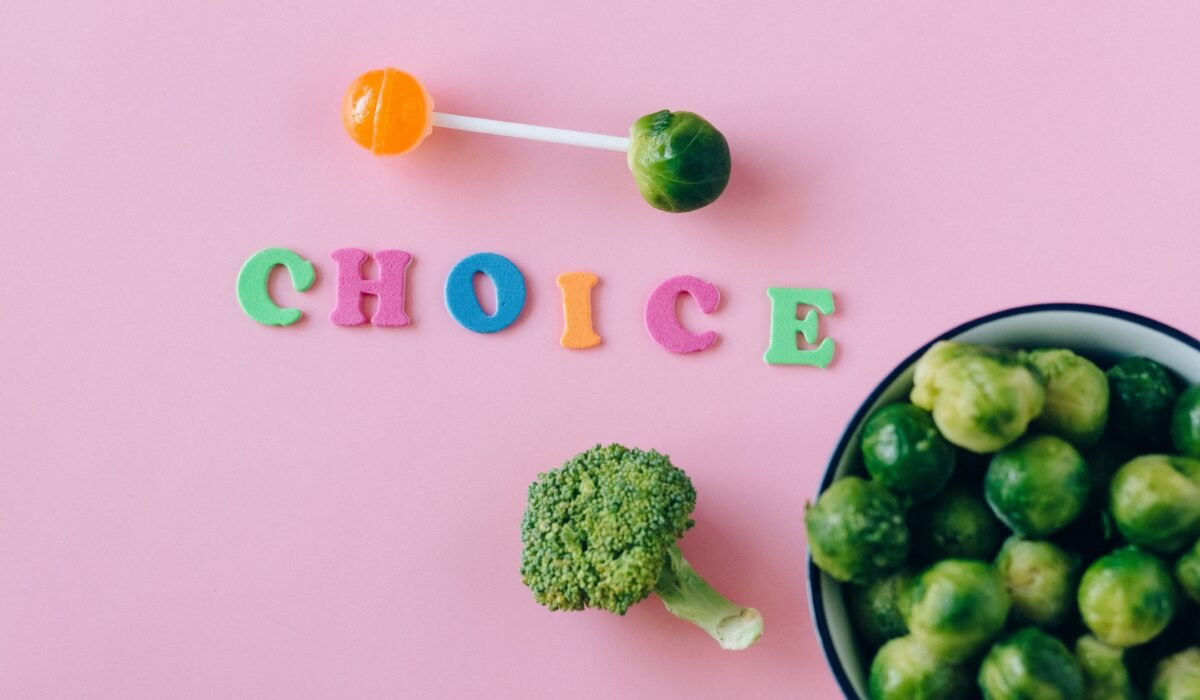
Navigating the path to optimal well-being in a fast-paced world can feel overwhelming, but making informed everyday health choices USA is more attainable than you might think. As a health and wellness content researcher, I understand the challenges Americans face in prioritizing their health amidst busy schedules and rising costs. This guide will provide you with actionable strategies and expert insights to foster a healthier lifestyle, focusing on practical steps you can implement daily.
What are the Core Pillars of Health and Wellness?
Achieving holistic wellness isn’t about chasing fleeting trends; it’s about building a strong foundation on several interconnected pillars. These foundational elements work in synergy to support your overall health and resilience, creating a balanced and vibrant life. Understanding these pillars is the first step toward making effective daily wellness routine America.
The concept of wellness extends beyond merely the absence of disease, encompassing physical, mental, emotional, and social well-being. Dr. Graham Colditz, Associate Director of Prevention and Control at Siteman Cancer Center, wisely notes, “Surveys show that most of us place a high priority on our health and wellness. Luckily, small changes can have meaningful health benefits, and those benefits grow over time.” This reinforces the power of consistent, daily healthy habits.
Here are the key areas that form the bedrock of a healthy life:
- Physical Health: This involves nutrition, hydration, regular physical activity, and adequate rest. It’s about how your body functions and moves.
- Mental and Emotional Health: Encompassing your psychological well-being, stress management techniques, and ability to cope with life’s challenges. Prioritizing mental well-being tips is crucial.
- Social Health: The quality of your relationships and connections with others. A strong support system contributes significantly to overall happiness and health.
- Spiritual Health: Finding purpose, meaning, and values in life, which can involve faith, meditation, or a connection to nature.
- Environmental Health: Your surroundings and how they impact your well-being, from air quality to access to green spaces.
- Financial Health: Managing your economic resources to reduce stress and provide for your needs, which indirectly impacts access to healthy choices.
Making Everyday Health Choices: A USA Guide
Successfully integrating healthy living tips USA into your routine requires a practical, step-by-step approach. It’s about transforming intentions into tangible actions that become second nature. As an expert in health and wellness content, I’ve seen how personalized strategies make all the difference in achieving sustainable results. This section will guide you through practical ways to make positive everyday health choices USA.
The U.S. health and wellness market, valued at USD 935 billion in 2024, shows a clear demand for solutions that simplify wellness. However, the real impact comes from individual commitment to daily healthy habits. Let’s explore how to make these choices a consistent part of your life.
Setting Realistic Goals for Daily Wellness
One of the biggest pitfalls is aiming for perfection rather than progress. Instead, focus on small, achievable steps that build momentum. For example, rather than vowing to run a marathon, commit to a 15-minute walk each day. These small wins contribute to a sense of accomplishment and make it easier to stick with your plan. Remember, consistency trumps intensity when it comes to long-term health benefits.
Building Sustainable Healthy Habits
Habit formation is key to long-term success. The American Heart Association stresses that “healthy eating is about building habits—not just eating one healthy meal.” This principle applies to all areas of wellness. Try using habit stacking, where you link a new desired habit to an existing one. For instance, after you brush your teeth, immediately drink a glass of water. Over time, these actions become automatic.
Consider leveraging technology to support your journey. Apps like MyFitnessPal can help track food intake and exercise, while Headspace offers guided meditations for mental well-being. These tools can provide structure and motivation as you embed preventive health strategies into your daily life.
Nourishing Your Body: Nutrition, Hydration & Supplements
Fueling your body correctly is a cornerstone of good health, influencing everything from energy levels to disease prevention. In the US, where dietary choices can be overwhelming, understanding nutritional choices and their impact is vital. Dr. Mark Hyman rightly points out, “What most people don’t realize is that food is not just calories: It’s information. It actually contains messages that communicate to every cell in the body.”
Smart Nutritional Choices for Americans
Focus on a balanced diet rich in whole, unprocessed foods. This means prioritizing fruits, vegetables, lean proteins, and whole grains. Be mindful of portion sizes and limit intake of added sugars, unhealthy fats, and excessive sodium, which are prevalent in many American diets. For personalized guidance, consider resources like the CDC’s National Diabetes Prevention Program, which helps individuals build lasting healthy habits in diet and physical activity.
- Embrace Whole Foods: Fill your plate with colorful vegetables, fruits, and fiber-rich whole grains.
- Choose Lean Proteins: Opt for chicken, fish, beans, and lentils to support muscle health and satiety.
- Limit Processed Items: Reduce consumption of fast food, sugary drinks, and packaged snacks that often lack essential nutrients.
- Read Labels: Use apps like Yuka or Cronometer to scan products and understand their nutritional content and ingredients. You can also learn how to read USA health labels effectively.
The Power of Hydration
Water is essential for nearly every bodily function, from regulating temperature to transporting nutrients. Many Americans unknowingly live in a state of chronic mild dehydration, which can impact energy, focus, and overall physical performance. Aim to drink at least eight 8-ounce glasses of water daily, and more if you’re active or in a hot climate. Keep a reusable water bottle handy as a constant reminder.
Navigating Dietary Supplements Benefits
While a balanced diet should always be your primary source of nutrients, dietary supplements can play a supportive role, especially for specific needs or deficiencies. The U.S. wellness economy’s growth, including supplements, highlights their popularity. However, it’s crucial to approach supplements with an informed perspective.
Before adding any supplement, consult with a healthcare professional to determine if it’s right for you. Common supplements include Vitamin D (especially for those with limited sun exposure), Omega-3 fatty acids, and multivitamins to fill nutritional gaps. I’ve often seen people benefit from targeted supplementation, but it’s important to understand how to integrate supplements into your personalized health plan responsibly. For beginners, a Beginner’s Guide to USA Health Supplements can be incredibly helpful.
Staying Active: Physical Activity for Men and Women
Physical activity is a powerful tool for maintaining health, boosting mood, and preventing chronic diseases. The Centers for Disease Control and Prevention (CDC) consistently recommends at least 150 minutes of moderate-intensity aerobic physical activity per week, along with muscle-strengthening activities twice a week. While 47.2% of U.S. adults met federal guidelines for aerobic activity in 2024, there’s still a significant portion who could benefit from incorporating more movement.
Physical Activity Guidelines Tailored
While the general guidelines apply to most adults, there are nuances for men and women, especially concerning specific health goals or life stages. For instance, women may focus on bone-strengthening exercises to mitigate osteoporosis risk, while men might prioritize cardiovascular health more intently, given higher rates of certain heart conditions.
For Men:
- Cardiovascular Health: Aim for brisk walking, jogging, cycling, or swimming. These help maintain a healthy heart, which is crucial as healthcare claims for younger generations are increasing at nearly double the rate of Baby Boomers, indicating earlier onset of chronic conditions.
- Strength Training: Incorporate exercises like push-ups, squats, and lifting weights to build and maintain muscle mass, important for metabolism and injury prevention.
- Flexibility: Don’t overlook stretching or yoga to improve range of motion and prevent stiffness.
For Women:
- Bone Density: Weight-bearing exercises such as walking, dancing, and strength training are vital for bone health, especially as women age.
- Pelvic Floor Health: Incorporate Kegel exercises to strengthen pelvic floor muscles, which can be beneficial after childbirth or for general urinary health.
- Hormonal Balance: Regular, moderate exercise can help manage hormonal fluctuations and reduce symptoms of PMS or menopause.
The key is to find activities you enjoy, making it easier to stick to your routine. Whether it’s joining a local sports league or simply taking the stairs instead of the elevator, every bit of movement counts towards better everyday health choices USA.
Prioritizing Mental Well-being and Stress Reduction
Mental health is just as critical as physical health, and its importance has been increasingly recognized in the US. Approximately 25% of Americans sought mental health services in 2023, with online therapy platforms seeing a 40% increase in usage. This surge highlights a growing awareness and need for effective mental well-being tips and stress management techniques.
Cultivating a Positive Mindset
Your thoughts and emotions profoundly impact your physical health. Practicing mindfulness, gratitude, and positive self-talk can significantly improve your mental landscape. UCLA Health experts, like Elizabeth Ko, MD, recommend focusing on internal energy, taking pauses to slow down, and cultivating quality relationships to enhance mental health and resilience.
Consider integrating practices like meditation or deep breathing exercises into your daily routine. Apps like Headspace offer guided sessions that can make starting a mindfulness practice accessible and enjoyable. These small, consistent efforts contribute to a more resilient mind.
Effective Stress Management Techniques
Chronic stress can wreak havoc on your body, contributing to everything from sleep disturbances to increased risk of chronic conditions. Identifying your stressors and developing healthy coping mechanisms is essential for your overall wellness. Here are some strategies:
- Regular Exercise: Physical activity is a natural stress reliever, releasing endorphins that improve mood.
- Adequate Sleep: Lack of sleep exacerbates stress. Prioritize getting 7-9 hours of quality sleep each night.
- Mindfulness and Meditation: These practices help you stay present and reduce rumination on stressful thoughts.
- Social Connection: Spending time with loved ones or engaging in community activities can provide emotional support and reduce feelings of isolation.
- Hobbies and Relaxation: Engage in activities you enjoy, whether it’s reading, gardening, or listening to music, to give your mind a break.
Developing robust stress management techniques is a key component of making informed everyday health choices USA, ensuring your mental and emotional well-being supports your physical health.
The Importance of Quality Sleep and Oral Health
Often overlooked, quality sleep and diligent oral hygiene are fundamental components of a truly holistic wellness approach. They might seem like minor details, but their cumulative impact on your overall health is profound. The CDC recommends 7 or more hours of sleep nightly for adults, emphasizing its foundational role.
Prioritizing Restorative Sleep
Sleep is not merely a period of inactivity; it’s a vital process where your body repairs itself, consolidates memories, and regulates hormones. Chronic sleep deprivation can impair cognitive function, weaken the immune system, and increase the risk of obesity, diabetes, and heart disease. Making sleep a priority is one of the most impactful daily healthy habits you can adopt.
To improve your sleep quality:
- Maintain a Consistent Schedule: Go to bed and wake up at the same time each day, even on weekends.
- Create a Relaxing Bedtime Routine: This could include reading, a warm bath, or light stretching.
- Optimize Your Sleep Environment: Ensure your bedroom is dark, quiet, and cool.
- Limit Screen Time: Avoid electronic devices an hour before bed, as blue light can disrupt melatonin production.
- Watch Your Diet: Avoid heavy meals, caffeine, and alcohol close to bedtime.
Oral Hygiene Importance for Systemic Health
Your mouth is often called the gateway to your body, and for good reason. Poor oral health can be linked to serious systemic conditions, including heart disease, stroke, diabetes, and respiratory infections. Daily oral hygiene is a simple yet incredibly effective preventive health strategy.
A comprehensive oral care routine includes:
- Brushing Twice Daily: Use a fluoride toothpaste and a soft-bristled brush for two minutes each time.
- Flossing Daily: This removes plaque and food particles from between teeth and under the gumline, areas your toothbrush can’t reach.
- Regular Dental Check-ups: Visit your dentist at least once a year for professional cleaning and examination.
- Healthy Diet: Limit sugary foods and drinks that contribute to tooth decay.
These simple steps for oral hygiene importance contribute significantly to your overall health, making them essential everyday health choices USA.
Overcoming US Barriers to Consistent Healthy Habits
While the desire for better health is strong, many Americans face significant hurdles in making consistent everyday health choices USA. The US healthcare landscape, economic pressures, and demanding lifestyles present unique challenges. A November 2025 West Health-Gallup survey found that nearly half of US adults (47%) are worried about healthcare costs in 2026, and concerns over prescription drug costs rose from 30% in 2021 to 37% in 2025. These concerns can understandably impact wellness decisions.
Addressing Time Constraints
In a country known for its fast pace, lack of time is a frequently cited barrier to healthy living. The solution isn’t to find more hours in the day, but to optimize the time you have. Think about time-efficient workouts, like high-intensity interval training (HIIT) or short, focused walks during lunch breaks. Meal prepping on weekends can save significant time during the week, making healthy eating more feasible. For example, MyFitnessPal and Cronometer are planning to incorporate AI photo logging by 2026, making food tracking even quicker.
Navigating Healthcare Costs and Access
The rising cost of healthcare in the US can make preventative care and healthy choices seem expensive. However, many affordable wellness tips USA exist. Look for community-based fitness programs, free online workout videos, or utilize local parks for exercise. Focus on nutrient-dense, affordable whole foods like beans, lentils, seasonal produce, and eggs. Many grocery stores offer loyalty programs or sales that can help reduce costs. Remember, investing in preventive health strategies now can save substantial medical costs down the line.
Maintaining Motivation Amidst Challenges
Motivation can ebb and flow, especially when faced with setbacks. The key is to build a support system and celebrate small victories. Share your goals with friends or family, or join a wellness group. The CDC’s National Diabetes Prevention Program, for instance, offers trained Lifestyle Coaches to help individuals build lasting healthy habits through support and guidance. When you experience a slip-up, view it as a learning opportunity, not a failure. Get back on track the next day with renewed determination, knowing that consistency, not perfection, is the goal for how to improve overall wellness.
By understanding and proactively addressing these common barriers, you can create a more sustainable path toward making positive everyday health choices USA. It’s about finding practical solutions that fit your life, not forcing your life to fit an unrealistic ideal.
Frequently Asked Questions
What are the 7 pillars of wellness?
While there isn’t one universally agreed-upon list of “7 pillars,” common frameworks often include physical, emotional, social, intellectual, spiritual, environmental, and occupational wellness. These pillars represent various dimensions of human health that contribute to a balanced and fulfilling life, and focusing on them helps create a holistic wellness plan.
What are some examples of healthy lifestyle choices?
Healthy lifestyle choices include eating a balanced diet rich in fruits and vegetables, engaging in at least 150 minutes of moderate physical activity weekly, getting 7-9 hours of quality sleep, managing stress effectively, staying hydrated, and maintaining good oral hygiene. These daily habits collectively contribute to improved overall health and disease prevention.
How can I improve my overall wellness?
To improve your overall wellness, start by identifying one or two areas where you can make small, consistent changes, such as incorporating a daily walk or swapping sugary drinks for water. Focus on building sustainable habits across the core pillars of health, including nutrition, physical activity, mental well-being, and sleep. Gradual, consistent effort yields the best long-term results for comprehensive health.
What are the 5 main areas of health and wellness?
The five main areas of health and wellness typically include physical health (nutrition, exercise, sleep), mental health (cognitive function, emotional regulation), emotional health (stress management, resilience), social health (relationships, community), and spiritual health (purpose, values). Addressing each of these areas contributes to a more balanced and robust state of well-being.
Making conscious everyday health choices USA might seem daunting at first, but remember the powerful impact of small, consistent steps. By focusing on holistic wellness, integrating smart nutritional choices, staying active, prioritizing mental well-being, and valuing sleep and oral health, you build a strong foundation for a healthier life. Overcoming real-world barriers is about finding practical, adaptable strategies that fit your unique American lifestyle. Your journey to better health is a continuous one, and every positive choice you make adds up to significant long-term benefits.