
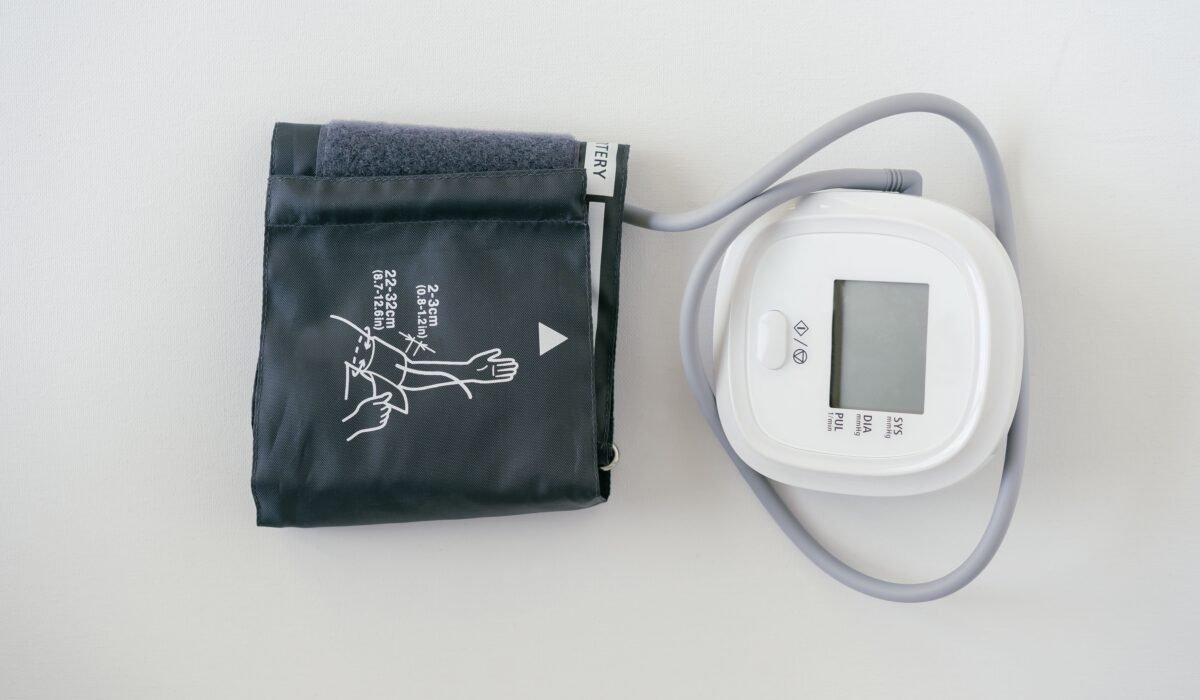
Navigating the vast market for home health devices can be overwhelming, but finding the absolute best blood pressure monitor reviews is crucial for effective health management. If you’re looking to accurately track your blood pressure from the comfort of your home, you need reliable, clinically validated equipment that provides consistent results. This comprehensive guide will cut through the noise, helping you understand what truly matters in a blood pressure monitor and empowering you to make an informed decision for your health.
Why Home Blood Pressure Monitoring Matters: Understanding the Benefits
Monitoring your blood pressure at home offers significant advantages beyond occasional clinic visits. It provides a more accurate, real-time picture of your cardiovascular health, free from the “white coat hypertension” effect some people experience in a doctor’s office. This regular insight is invaluable for both you and your healthcare provider.
The World Health Organization (WHO) estimates that 1.4 billion adults worldwide had hypertension in 2024, with a staggering 600 million unaware of their condition. Regular home blood pressure monitoring can be a game-changer, helping to detect issues early and track the effectiveness of lifestyle changes or medication. As a health and wellness content researcher, I’ve seen firsthand how empowering this data can be for individuals taking charge of their health.
Empowering Your Health Journey with Consistent Data
Consistent home readings allow for the collection of a larger data set, which is far more representative than a single snapshot at the doctor’s office. Dr. Erica Spatz, an associate professor of cardiology and epidemiology at Yale School of Medicine, emphasizes that home blood pressure readings are a more accurate representation of true blood pressure because they allow for an average over weeks. This helps differentiate between routine fluctuations and persistent hypertension.
Furthermore, regular monitoring can alert you to potential issues before they become serious. For instance, according to the CDC, nearly four out of five U.S. adults with hypertension have blood pressure above the 2025 AHA/ACC guideline goal of <130/80 mm Hg. Catching these trends early with a reliable home blood pressure monitor can lead to timely interventions and better health outcomes. It's an essential component of a proactive approach to wellness, especially if you're exploring natural ways to lower blood pressure.
What is the Most Accurate Blood Pressure Monitor for Home Use?
When it comes to home blood pressure monitoring, accuracy is paramount. The American Heart Association (AHA) strongly recommends an automatic, cuff-style, upper arm monitor for home use. They specifically caution against wrist or finger monitors unless approved by a healthcare provider, as their accuracy can be less consistent. In my research, I consistently find that upper arm blood pressure monitors offer the most reliable readings.
The key to finding the most accurate blood pressure monitor lies in its clinical validation. A clinically validated blood pressure monitor has undergone rigorous testing by independent organizations to ensure its precision and reliability. Always look for devices that have been validated by recognized bodies like the American Medical Association (AMA) through their U.S. Blood Pressure Validated Device Listing (VDL) program. As of 2026, all devices on the AMA’s VDL meet stringent accuracy standards.
Understanding Clinical Validation and Device Types
A device being “clinically validated” means it meets specific international standards for accuracy. This is not just a marketing term; it’s a certification that the monitor provides trustworthy readings. Many top-tier brands invest heavily in achieving these validations for their products.
While upper arm monitors are generally preferred, some advanced wrist blood pressure monitors have shown good accuracy in specific tests, such as certain Omron 7 Series models or the Omron HeartGuide. However, these often require very precise positioning and technique. For the average user seeking the best home blood pressure monitor, an upper arm device remains the gold standard for consistent accuracy.
Which Blood Pressure Monitor Brands are Recommended by Doctors?
Doctors frequently recommend brands that have a proven track record of accuracy, reliability, and clinical validation. These are the brands that consistently appear on validated device lists and are trusted by medical professionals for their patients’ home use. The emphasis is always on devices that provide consistent and trustworthy data.
Based on extensive research and expert consensus, a few brands stand out for their widespread recommendation. These companies have dedicated themselves to producing high-quality, clinically validated blood pressure monitors that integrate well into a patient’s health management plan. They often offer a range of models to suit different needs and budgets.
Top Doctor-Recommended Brands
- Omron Blood Pressure Monitors: Omron is arguably the most frequently cited and recommended brand. They offer a wide range of clinically validated upper arm models, known for their accuracy and user-friendly features. Models like the Omron Platinum Wireless Upper Arm Blood Pressure Monitor are often praised for their memory capacity and averaging functions.
- A&D Medical Monitors: A&D Medical is another highly respected brand, often recommended for its overall performance and user-friendliness. Their devices, such as the A&D Medical Premium Multi-Use Blood Pressure Monitor, are known for accuracy and durability. They even offer specialized cuffs, like the UA-651SAC, which includes a small cuff for petite arms.
- Panasonic: While not as prominently featured in every review as Omron, Panasonic also produces reliable, clinically validated blood pressure monitors that doctors often endorse. Their devices focus on ease of use and consistent readings.
When searching for a doctor recommended BP monitor, always cross-reference with the AMA’s ValidateBP.org website. This ensures that the specific model you’re considering has met the latest stringent standards for accuracy and reliability.
Choosing the Best Blood Pressure Monitor: Essential Features and Cuff Sizing
Selecting the right blood pressure monitor involves more than just picking a brand; it’s about matching the device’s features to your specific needs and ensuring a proper fit. Many of the best wellness products are those that fit seamlessly into your routine, and a blood pressure monitor is no exception. Ignoring crucial aspects like cuff sizing or key features can lead to inaccurate readings and frustration, undermining the entire purpose of home monitoring.
Critical Features to Look For
- Clinical Validation: This is non-negotiable. Always prioritize devices listed on ValidateBP.org.
- Cuff Type and Fit: As the AHA recommends, an automatic, cuff-style, upper arm blood pressure monitor is generally best. Ensure the cuff size is appropriate for your arm circumference.
- Memory Storage: Most monitors store readings, but consider how many. Devices like the Omron Platinum store up to 200 readings, which is excellent for long-term tracking.
- Irregular Heartbeat Detection: This feature alerts you to potential arrhythmias, which can be an important signal to discuss with your doctor. Many Omron 5 Series monitors include this.
- Multiple User Profiles: If more than one person in your household will use the monitor, look for models that support individual profiles to keep data separate. This makes it a great blood pressure monitor for multiple users.
- Connectivity (Bluetooth/Wi-Fi): A bluetooth blood pressure monitor or wireless blood pressure monitor can sync readings to a smartphone app, making data tracking and sharing much easier. This is a hallmark of a smart blood pressure monitor.
- Backlit Display and Large Digits: Important for readability, especially for those with vision impairments.
- AC Adapter Option: While battery-powered is convenient, an AC adapter ensures consistent power and saves on battery costs.
The Importance of Proper Blood Pressure Cuff Size
What most people miss is that cuff sizing is arguably the single most critical factor for accuracy after clinical validation. An ill-fitting cuff can lead to significantly inaccurate readings, whether it’s too loose or too tight. A cuff that is too small will typically give a falsely high reading, while one that is too large can give a falsely low reading.
To measure your arm for the correct blood pressure cuff size:
- Use a cloth measuring tape.
- Measure the circumference of your upper arm midway between your shoulder and elbow.
- Compare this measurement to the cuff’s size range, usually printed on the cuff itself or in the product description.
Most standard cuffs fit arm circumferences from 9 to 13 inches (22-32 cm). If your arm is smaller or larger, you’ll need a specific small or large/XL cuff. Brands like A&D Medical offer small cuffs, and many major brands provide XL cuffs for larger arms. Always ensure the inflatable bladder within the cuff covers at least 80% of your arm’s circumference.
Best Blood Pressure Monitor Reviews 2026: Our Top Picks
After extensive research into the top-ranking devices, user feedback, and clinical validation data, I’ve compiled a list of the best blood pressure monitor reviews for 2026. These selections are based on accuracy, ease of use, features, and overall value. My goal is to help you find a reliable device that supports your journey towards better health. Remember, the global blood pressure monitors for home use market is projected to grow significantly, indicating a strong demand for effective solutions.
Comparison Table: Top Blood Pressure Monitors
| Monitor Model | Type | Key Features | Pros | Cons |
|---|---|---|---|---|
| Omron Platinum Wireless (BP5450) | Upper Arm | 200 readings, Bluetooth, averaging, irregular heartbeat detection | Highly accurate, user-friendly app, dual user | Higher price point |
| A&D Medical Premium Multi-Use (UA-767F) | Upper Arm | 60 readings, irregular heartbeat, one-button operation | Reliable accuracy, affordable, easy to use | No app connectivity |
| CONNEQT Pulse | Upper Arm | Comprehensive data, ECG, SpO2, temp, Bluetooth | Advanced health insights, integrated app, multiple metrics | Premium price, potentially complex for basic users |
| Oxiline Pressure XS Pro | Upper Arm | Large display, voice broadcast, 2×99 memory | Intuitive, good for seniors, consistent readings | Less known brand, app features may vary |
| Omron HeartGuide (BP8000-M) | Wrist (Watch) | Wearable, FDA-approved, activity tracking, app | Convenient, discreet, clinically accurate for a wrist device | Very expensive, specific technique required for accuracy |
Detailed Reviews of Our Top Picks
1. Omron Platinum Wireless Upper Arm Blood Pressure Monitor (BP5450)
- Product Overview: This Omron blood pressure monitor is consistently rated as a top performer. It’s an automatic upper arm device designed for accuracy and seamless data management.
- Key Features: Stores up to 200 readings for two users, averages the last three readings for precision, detects irregular heartbeats, and connects via Bluetooth to the Omron Connect app.
- Benefits: Provides highly accurate readings, simplifies tracking with its app, and offers crucial irregular heartbeat detection. The dual-user memory is excellent for households.
- Pros: Clinically validated, excellent memory capacity, user-friendly app integration, strong brand reputation.
- Cons: Tends to be on the pricier side compared to basic models.
- How it works: Simply place the cuff on your upper arm, press start, and the monitor inflates and deflates automatically, sending data to your phone if connected.
- Customer Feedback: Users consistently praise its accuracy and the convenience of the app for tracking trends over time.
- Pricing Information: Typically in the mid-to-high price range for home monitors.
- Final Verdict: An outstanding choice for those seeking a highly accurate, feature-rich, and connected monitoring experience. It’s a truly smart blood pressure monitor.
2. A&D Medical Premium Multi-Use Blood Pressure Monitor (UA-767F)
- Product Overview: A reliable and straightforward upper arm blood pressure monitor known for its consistent accuracy and ease of use, making it a strong contender for the best home blood pressure monitor for many users.
- Key Features: Stores 60 readings, irregular heartbeat detection, one-button operation for simplicity. Available with various blood pressure cuff size options, including a small cuff.
- Benefits: Delivers trustworthy readings without unnecessary complexities. Its straightforward design is ideal for those who prefer simplicity.
- Pros: Clinically validated, very user-friendly, durable, often more affordable.
- Cons: Lacks Bluetooth connectivity and app integration.
- How it works: Wrap the cuff, press “Start,” and the monitor does the rest. Readings display clearly on the screen.
- Customer Feedback: Highly rated for its reliability and ease of use, particularly by older adults or those who prefer non-smart devices.
- Pricing Information: Generally falls into the mid-range price category, offering excellent value.
- Final Verdict: A fantastic choice for a dependable, no-frills monitor that prioritizes accuracy and ease of operation.
3. CONNEQT Pulse
- Product Overview: The CONNEQT Pulse is an advanced upper arm monitor that goes beyond basic blood pressure readings, offering a more comprehensive health data collection.
- Key Features: Measures blood pressure, ECG, SpO2 (blood oxygen), and temperature. Integrates with a sophisticated app for detailed health insights.
- Benefits: Provides a holistic view of several key health metrics, allowing for deeper health tracking and more informed discussions with your doctor.
- Pros: Multi-functional, comprehensive data, excellent app, clinically validated.
- Cons: Higher price point, might be more features than a casual user needs.
- How it works: The device performs multiple health assessments simultaneously, with data syncing to its app.
- Customer Feedback: Praised by users who want detailed health monitoring and appreciate the integrated approach to wellness.
- Pricing Information: Positioned as a premium device due to its advanced capabilities.
- Final Verdict: An excellent choice for tech-savvy users or those with specific health concerns who benefit from multi-parameter monitoring.
4. Oxiline Pressure XS Pro
- Product Overview: The Oxiline Pressure XS Pro is an upper arm blood pressure monitor designed for clear, audible feedback and ease of use, often appealing to a broad demographic.
- Key Features: Features a large, easy-to-read display, voice broadcast of readings, and memory for two users (99 readings each).
- Benefits: The voice broadcast feature is particularly helpful for individuals with visual impairments. Its large display and simple operation make it very user-friendly.
- Pros: Clear display, voice guidance, good memory for two users, consistent readings.
- Cons: May not have the same level of app integration as some other smart monitors.
- How it works: Similar to other automatic upper arm models, with the added benefit of audible reading announcements.
- Customer Feedback: Users appreciate its straightforward nature and the convenience of the voice feature.
- Pricing Information: Generally competitive within the mid-range segment.
- Final Verdict: A strong contender for those who value simplicity, clear display, and audible feedback in their home blood pressure monitoring guide.
5. Omron HeartGuide (BP8000-M)
- Product Overview: The Omron HeartGuide is a unique, FDA-approved wearable blood pressure monitor disguised as a smartwatch. It offers the convenience of on-the-go monitoring.
- Key Features: Clinically accurate blood pressure readings from the wrist, activity tracking, sleep tracking, and notifications, all integrated with the Omron Connect app.
- Benefits: Provides discreet, frequent blood pressure measurements throughout the day, which can be beneficial for understanding daily fluctuations.
- Pros: Wearable convenience, FDA-approved for accuracy (rare for a wrist device), comprehensive smart features.
- Cons: Very expensive, requires specific arm and body positioning for accurate readings, battery life can be a concern.
- How it works: Inflates a small cuff within the watch band on your wrist. Requires proper arm elevation for accuracy.
- Customer Feedback: Users appreciate the innovation and convenience, though some note the cost and the need for careful measurement technique.
- Pricing Information: This is a premium-priced device, reflecting its unique technology and features.
- Final Verdict: An innovative option for those who absolutely need a wearable solution and are willing to invest in its unique capabilities and learn proper usage.
Get The Latest Price On The Official Website
For the most current pricing, discounts, and availability on these top blood pressure monitors, it’s always best to check the official brand websites or trusted retailers directly.
Visit Official Website to check current pricing, discounts, bonuses, and availability.
Making Sense of Your Readings: How to Share Data with Your Doctor
Collecting blood pressure data is only half the battle; the other half is interpreting it and effectively communicating it to your healthcare provider. This is where the true value of a home blood pressure monitoring guide comes into play, helping you move beyond just numbers to actionable insights. Many people simply bring a list of numbers, but a more structured approach can yield far better results in managing your health.
The AHA recommends sharing your home readings with your doctor regularly. This ongoing dialogue allows your doctor to see trends, assess the effectiveness of medication or lifestyle changes, and make informed adjustments to your treatment plan. It’s a collaborative effort that significantly improves your hypertension management.
Leveraging Technology for Better Communication
Modern blood pressure monitors, especially those with Bluetooth or Wi-Fi connectivity, make data sharing incredibly simple. A bluetooth blood pressure monitor or a wireless blood pressure monitor can sync readings to an app, which then often generates easy-to-read charts and summaries. This organized data is much more valuable to your doctor than a handwritten log.
When you have your appointment, consider presenting a summary report from your blood pressure monitor with app functionality. Highlight any consistent patterns, unusually high or low readings, or times when you experienced symptoms alongside specific readings. This level of detail helps your doctor understand your unique blood pressure profile and tailor their advice more precisely. For instance, an Omron blood pressure monitor with app connectivity can create excellent visual summaries of your readings.
Ensuring Long-Term Accuracy: Maintenance and Calibration for Your BP Monitor
Just like any precision instrument, your home blood pressure monitor requires proper care and occasional checks to ensure it continues to provide accurate readings over time. Neglecting maintenance can lead to unreliable data, which can compromise your health management. As Vishal Shimpi, I always emphasize that the longevity and accuracy of your devices depend heavily on how well you maintain them.
Regular maintenance and calibration are crucial for maintaining the integrity of your blood pressure monitor accuracy. While these devices are generally robust, components can wear out or lose calibration. Being proactive about device care ensures that the data you’re collecting remains trustworthy for years to come.
Practical Steps for Blood Pressure Monitor Maintenance
- Store Properly: Keep your monitor in a cool, dry place, away from direct sunlight and extreme temperatures. Avoid dropping it or subjecting it to harsh impacts.
- Clean Gently: Wipe the cuff and device with a soft, slightly damp cloth. Do not immerse the device in water or use harsh chemical cleaners.
- Check the Cuff: Periodically inspect the cuff for signs of wear and tear, such as cracks in the tubing or fraying fabric. A damaged cuff can affect accuracy.
- Battery Management: Replace batteries promptly when the low-battery indicator appears. If storing the device for a long period, remove the batteries to prevent leakage.
- Professional Calibration: Most manufacturers recommend having your monitor checked for calibration every 1-2 years. Contact the manufacturer or your healthcare provider for guidance on where to get this done. Some pharmacies or clinics offer this service.
If you ever suspect your blood pressure monitor is giving inaccurate readings, the first step is to re-check your technique. If readings still seem off, compare them with a reading taken at your doctor’s office. If there’s a significant, consistent discrepancy, it might be time for a calibration check or even a new device. This proactive approach ensures your home blood pressure monitoring guide remains a valuable tool.
Frequently Asked Questions
Which brand of blood pressure monitor is most accurate?
Omron and A&D Medical are consistently cited as the most accurate and doctor-recommended brands for home use. Both brands offer a wide range of clinically validated upper arm blood pressure monitors that have undergone rigorous testing to ensure precision and reliability.
What is the most accurate blood pressure monitor for home use?
The most accurate blood pressure monitor for home use is typically an automatic, cuff-style, upper arm monitor that has been clinically validated by organizations like the American Medical Association (AMA). Devices like the Omron Platinum Wireless Upper Arm Blood Pressure Monitor are frequently recommended for their proven accuracy and consistent performance.
Which blood pressure monitor is recommended by doctors?
Doctors overwhelmingly recommend clinically validated upper arm blood pressure monitors from reputable brands such as Omron and A&D Medical. These devices provide reliable data essential for managing hypertension, and many also feature conveniences like irregular heartbeat detection and app connectivity for easier tracking and sharing with healthcare providers.
What is the most accurate Omron blood pressure monitor?
Among Omron’s extensive line, models like the Omron Platinum Wireless Upper Arm Blood Pressure Monitor (BP5450) and the Omron 10 Series are frequently highlighted for their exceptional accuracy and advanced features. These specific models are clinically validated and offer features like averaging multiple readings, which further enhances precision for home blood pressure monitoring.
Choosing the right blood pressure monitor is an investment in your health, and understanding the nuances of the best blood pressure monitor reviews is key to making an informed decision. By prioritizing clinically validated upper arm models, ensuring proper cuff fit, and leveraging smart features, you empower yourself with accurate data. Regular home monitoring, combined with effective communication with your doctor and diligent device maintenance, forms a powerful strategy for managing your blood pressure and promoting long-term wellness.
Visit Official Website to check current pricing, discounts, bonuses, and availability.