
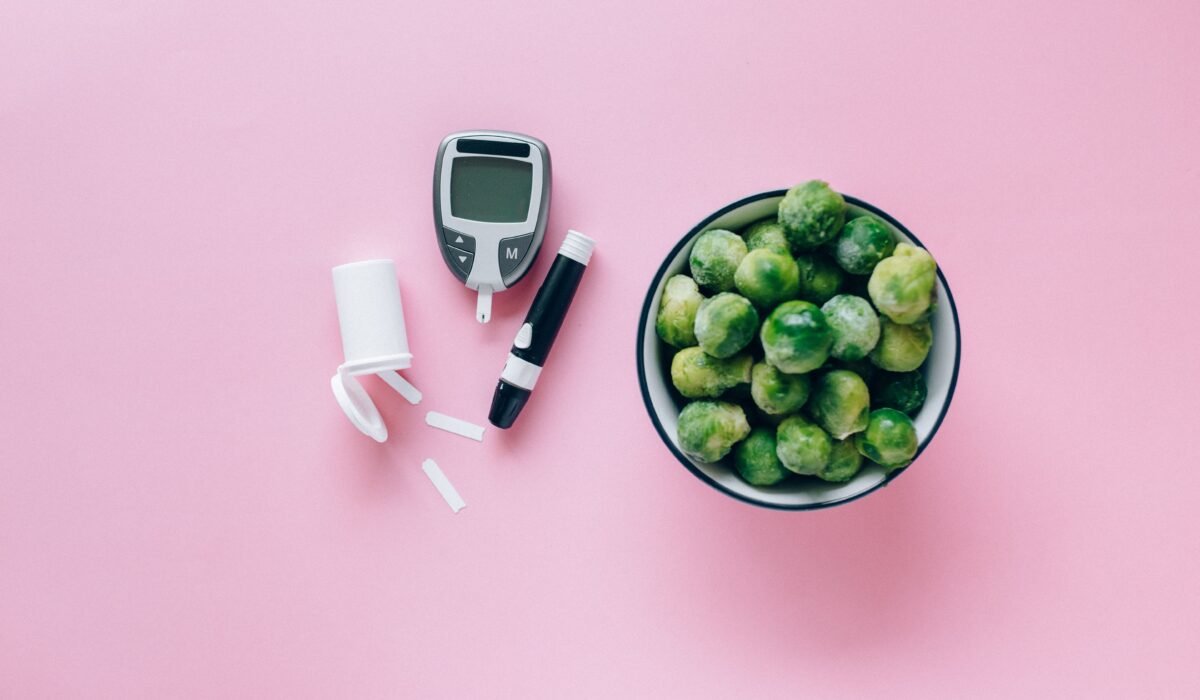
Living with concerns about your glucose levels can be challenging, but finding the **best natural blood sugar support** can empower you to take control of your health. Many people are searching for effective, natural approaches to manage their blood sugar, reverse prediabetes, and support overall metabolic wellness. This comprehensive guide, informed by extensive health and wellness research, will walk you through the top natural supplements, lifestyle strategies, and personalized approaches that can make a significant difference.
As you explore your options for the best natural blood sugar support, it’s wise to research reputable products and their current offerings.
Get The Latest Price On The Official Website
Visit Official Website to check current pricing, discounts, bonuses, and availability.
Understanding Natural Blood Sugar Support
Maintaining healthy blood sugar levels is crucial for preventing serious health complications, especially given the rising prevalence of diabetes and prediabetes. As of 2023, an estimated 40.1 million people in the U.S. have diabetes, with a staggering 115.2 million adults living with prediabetes, according to the CDC. What’s more, about 8 in 10 prediabetics don’t even know they have it.
Natural blood sugar support focuses on interventions that work with your body’s physiological processes to improve glucose regulation. This can include enhancing insulin sensitivity, moderating glucose absorption, and supporting the health of the pancreas. The goal is to create a sustainable, holistic approach to metabolic health.
This isn’t just about avoiding medication; it’s about optimizing your body’s natural ability to manage glucose. Dr. John DeBarros, MD, FACS, emphasizes the importance of consulting with your doctor before starting any new supplement regimen. This ensures your natural strategies complement any existing medical care.
What Are the Best Natural Supplements for Blood Sugar?
When considering natural supplements, it’s essential to look for ingredients backed by scientific research. These supplements work through various mechanisms, from improving insulin sensitivity to reducing carbohydrate absorption. My research into dietary supplements for the US market consistently highlights certain compounds.
While many supplements claim to offer comprehensive blood sugar management, the “best” options often combine multiple beneficial ingredients. Look for formulations that address different aspects of glucose control. Products like Glucostra, for instance, are multi-ingredient, plant-based formulas that contain a blend of compounds designed to offer broad support.
Here are some of the most promising natural supplements:
- Berberine: Often lauded as a powerful natural alternative to metformin, berberine has shown remarkable efficacy. Research indicates it can reduce fasting glucose levels by 15-25% when taken consistently (500mg, 2-3 times daily). It also helps improve insulin sensitivity and can lower HbA1c levels by approximately 1%.
- Alpha-Lipoic Acid (ALA): This potent antioxidant can improve insulin sensitivity and reduce nerve pain associated with diabetes. Studies, often lasting 12 weeks, consistently demonstrate its benefits in glucose metabolism.
- Chromium: A trace mineral vital for carbohydrate and lipid metabolism. Chromium enhances the action of insulin, helping your cells absorb glucose more effectively. A case study showed a 55-year-old male with type 2 diabetes saw his HbA1c decrease from 7.2% to 6.5% after three months of consistent magnesium and chromium supplementation.
- Magnesium: Involved in over 300 enzymatic reactions, magnesium plays a key role in glucose control and insulin metabolism. Many people with prediabetes and type 2 diabetes are deficient. Supplementation can significantly improve fasting blood sugar and HbA1c, as seen in the same case study.
- Gymnema Sylvestre: Known as the “sugar destroyer,” this herb helps reduce sugar cravings and may block sugar absorption in the intestines. It has a long history of use in Ayurvedic medicine for blood sugar control.
- Bitter Melon: This fruit contains compounds that act like insulin, helping to lower blood glucose levels. It can also improve glucose tolerance and reduce HbA1c.
- Banaba Leaf: Rich in corosolic acid, banaba leaf extract is known for its ability to lower blood sugar levels, often within an hour of ingestion. It promotes glucose transport into cells.
Combining these ingredients in a well-formulated supplement can offer robust support for your blood sugar goals. Always check for third-party testing to ensure purity and potency.
Powerful Herbs for Blood Sugar Control
Beyond specific supplements, several herbs offer potent benefits for managing glucose levels. These botanicals have been used for centuries in traditional medicine and are gaining recognition in modern research for their efficacy. Many people seek natural ways to reverse prediabetes, and these herbs can be a significant part of that strategy.
Cinnamon for Diabetes & Insulin Sensitivity
Cinnamon is perhaps one of the most widely recognized spices for its blood sugar-lowering properties. As dietitian Karr notes, “About 0.5 to 1 teaspoon per day has been shown in some studies to help with insulin sensitivity and post-meal blood sugar.” It mimics insulin and increases glucose uptake by cells, making it a simple yet effective addition to your daily routine.
Fenugreek for Glucose Regulation
Fenugreek seeds are rich in soluble fiber, which helps slow down the digestion and absorption of carbohydrates, leading to a more gradual rise in blood sugar after meals. Studies indicate that fenugreek can improve glucose tolerance and reduce both fasting blood sugar and HbA1c levels. It’s a powerful tool for those looking for herbs that lower blood sugar quickly and sustainably.
Ginseng for Blood Sugar Management
Certain types of ginseng, particularly American ginseng, have demonstrated hypoglycemic effects. It appears to enhance insulin secretion and improve cellular glucose uptake. Research suggests that ginseng can significantly reduce post-meal blood sugar levels in individuals with type 2 diabetes.
Other Beneficial Herbs
Several other herbs contribute to natural blood sugar support:
- Prickly Pear Cactus: The fiber and pectin in prickly pear can decrease blood sugar by slowing down sugar absorption in the stomach and intestines.
- Holy Basil (Tulsi): Known for its adaptogenic properties, holy basil can help reduce stress-induced blood sugar spikes and improve overall metabolic function.
- Milk Thistle: Silymarin, the active compound in milk thistle, has antioxidant and anti-inflammatory properties that may help improve insulin sensitivity, particularly in individuals with liver issues often associated with diabetes.
Incorporating these powerful herbs into your diet or supplement regimen can be an excellent strategy for comprehensive blood sugar control.
Key Vitamins and Minerals for Blood Sugar Management
Vitamins and minerals are essential cofactors in countless metabolic processes, including glucose regulation. Deficiencies in certain micronutrients can impair insulin function and contribute to elevated glucose levels. Understanding which vitamins and minerals are most critical for blood sugar management is key to finding the best natural blood sugar support.
Vitamin D for Insulin Function
Vitamin D plays a crucial role in pancreatic beta-cell function and insulin sensitivity. Many people are deficient in this vitamin, and research suggests a strong link between low vitamin D levels and an increased risk of type 2 diabetes. Supplementation with vitamin D, especially when combined with B vitamins, has been shown to improve fasting blood sugar and HbA1c, as seen in a case study where a 42-year-old female with prediabetes significantly improved her numbers.
B Vitamins for Metabolic Health
The B vitamin complex, particularly B1 (thiamine), B6 (pyridoxine), and B12 (cobalamin), is vital for converting food into energy and supporting nerve health, which is often compromised in diabetes. B vitamins can help improve glucose metabolism and prevent complications like diabetic neuropathy. Steven’s type 2 diabetes reversal case study highlighted the importance of a B complex, alongside other supplements, in supporting overall health.
Chromium and Magnesium Revisited
As mentioned earlier, chromium and magnesium are indispensable. Chromium improves insulin’s effectiveness, while magnesium is involved in glucose transport and insulin signaling. These minerals are often included in the best vitamins for blood sugar control formulations because of their direct impact on how your body handles sugar. Ensuring adequate intake of these minerals is a fundamental step in supporting healthy glucose levels.
Zinc for Insulin Production
Zinc is involved in the synthesis, storage, and secretion of insulin by the pancreas. It also has antioxidant properties that protect beta cells from damage. Zinc deficiency can impair insulin function and glucose tolerance, making it an important mineral to consider for comprehensive blood sugar support.
By addressing potential nutrient deficiencies, you can significantly enhance your body’s natural ability to manage blood sugar. Always aim for a balanced diet rich in these nutrients, and consider targeted supplementation under professional guidance.
Beyond Supplements: Lifestyle & Personalized Approaches
While supplements and herbs offer powerful support, they are most effective when integrated into a healthy lifestyle. True long-term blood sugar health requires a holistic approach that includes diet, exercise, stress management, and increasingly, personalized strategies. These natural ways to reverse prediabetes are foundational.
The Power of Dietary Changes for Blood Sugar
What you eat has the most profound impact on your glucose levels. Focusing on a whole-foods diet rich in fiber, lean proteins, and healthy fats while minimizing refined carbohydrates and added sugars is paramount.
- Prioritize Fiber: Soluble fiber, found in oats, beans, apples, and nuts, slows sugar absorption.
- Choose Complex Carbs: Opt for whole grains like brown rice and quinoa over white bread and pasta.
- Lean Proteins & Healthy Fats: These help stabilize blood sugar and promote satiety.
- Limit Added Sugars: Sugary drinks and processed foods are major culprits in blood sugar spikes.
Dr. Helena Mendes Soares of Mayo Clinic highlights that “the standard approach of counting carbohydrates and calories alone is not the best approach to managing blood sugar, because it only takes into account characteristics of food. It fails to recognize that each person’s unique lifestyle, demographics and microbiome also play a role.” This emphasizes the need for personalized dietary changes.
Exercise for Glucose Control
Regular physical activity is a cornerstone of blood sugar management. Exercise increases insulin sensitivity, meaning your cells can use glucose more efficiently, and helps muscles absorb glucose from the blood for energy.
- Aerobic Exercise: Activities like brisk walking, jogging, swimming, or cycling for at least 150 minutes per week can significantly lower blood sugar.
- Strength Training: Building muscle mass improves glucose uptake, as muscles are a major site for glucose disposal. Aim for 2-3 sessions per week.
Even short bursts of activity throughout the day can make a difference.
Stress Management and Sleep
Chronic stress can elevate blood sugar levels by triggering the release of hormones like cortisol, which increase glucose production. Similarly, poor sleep can impair insulin sensitivity. Incorporating stress-reducing practices like meditation, yoga, or deep breathing, and prioritizing 7-9 hours of quality sleep nightly, are vital for metabolic health.
The Gut Microbiome and Personalized Nutrition
Emerging research, including that from the Mayo Clinic, suggests that your gut microbiome health significantly influences how your body responds to different foods. Personalized diets based on an individual’s microbiome, genetics, age, and activity level are proving more effective than generic carbohydrate counting. This focus on individual biology is revolutionizing the approach to the best natural blood sugar support.
Safe Use: Dosages, Side Effects & Drug Interactions
While natural blood sugar support options are generally well-tolerated, it’s crucial to approach them with caution and informed awareness. My experience in analyzing dietary supplements underscores the importance of understanding dosages, potential side effects, and especially drug interactions. Always remember Dr. John DeBarros’s advice: “If you do decide to take a blood sugar supplement (or are considering it), I strongly recommend that you speak with your doctor first.”
Recommended Dosages
Dosages can vary based on the specific supplement, concentration, and individual needs. Here are general guidelines for some common natural blood sugar support ingredients:
- Berberine: Typically 500 mg, 2-3 times daily, taken with meals to minimize gastrointestinal upset.
- Cinnamon: 1-6 grams (approximately 0.5 to 2 teaspoons) daily, often divided into doses.
- Alpha-Lipoic Acid (ALA): 300-600 mg daily, usually in divided doses.
- Chromium: 200-1000 mcg daily.
- Magnesium: 200-400 mg daily, depending on the form (e.g., citrate, glycinate).
Always follow the manufacturer’s instructions on specific product labels and consult a healthcare professional for personalized dosage recommendations.
Potential Side Effects
Most natural supplements have mild side effects, if any, but they are possible:
- Berberine: Can cause gastrointestinal issues like diarrhea, constipation, gas, and stomach cramps, especially at higher doses.
- Cinnamon: Large doses of Cassia cinnamon can be toxic to the liver due to its coumarin content. Opt for Ceylon cinnamon if consuming regularly.
- Alpha-Lipoic Acid: May cause nausea, vomiting, or dizziness in some individuals.
- Fenugreek: Can cause digestive upset, gas, and a maple syrup odor in urine.
If you experience any adverse reactions, discontinue use and consult your doctor.
Drug Interactions
This is perhaps the most critical aspect to discuss with your healthcare provider. Many natural alternatives to metformin and other diabetes medications can intensify their effects, leading to dangerously low blood sugar (hypoglycemia).
“If you do decide to take a blood sugar supplement (or are considering it), I strongly recommend that you speak with your doctor first.” – Dr. John DeBarros, MD, FACS
Specific interactions to be aware of:
- Blood Sugar Lowering Medications: Supplements like berberine, alpha-lipoic acid, cinnamon, and bitter melon can significantly lower blood sugar. Combining them with prescription diabetes medications (e.g., insulin, sulfonylureas, metformin) can lead to hypoglycemia. Your doctor may need to adjust your medication dosages.
- Blood Thinners: Some supplements, like alpha-lipoic acid, may have mild blood-thinning effects and could interact with anticoagulant medications.
- Liver Disease: Individuals with liver conditions should be cautious with certain supplements, especially Cassia cinnamon, due to potential liver toxicity.
A thorough discussion with your doctor or pharmacist about all medications and supplements you are taking is non-negotiable to ensure safe and effective natural blood sugar support.
Long-Term Strategies for Sustainable Blood Sugar Health
Achieving healthy blood sugar levels isn’t a sprint; it’s a marathon that requires consistent effort and a long-term perspective. The most effective approach integrates natural blood sugar support with enduring lifestyle changes. This holistic view helps not only manage current glucose levels but also prevent future complications.
Consistent Monitoring and Adjustment
Regularly monitoring your glucose levels, either through a glucometer or continuous glucose monitor (CGM), provides invaluable feedback. Nancy Oliveira from Harvard-affiliated Brigham and Women’s Hospital notes that “Monitoring blood sugar may be useful for some people even if they don’t have diabetes.” This allows you to see how your diet, exercise, and supplement choices impact your body. Use this data to make informed adjustments to your plan, always in consultation with your healthcare team.
Building a Supportive Environment
Your environment plays a huge role in your ability to maintain healthy habits. This includes your home, workplace, and social circles.
- Meal Planning: Preparing healthy meals in advance can prevent impulsive, unhealthy food choices.
- Active Lifestyle: Incorporate movement into your daily routine, even small changes like taking stairs or walking during breaks.
- Support System: Engage family and friends in your health journey, or join support groups to stay motivated.
A supportive environment makes it easier to stick to your long-term strategies for sustainable blood sugar health.
Addressing Underlying Health Issues
Sometimes, high blood sugar is a symptom of broader health imbalances. Addressing issues like chronic inflammation, hormonal imbalances (e.g., thyroid or adrenal), and poor gut health can profoundly impact glucose regulation. For instance, a healthy gut microbiome is increasingly recognized for its role in insulin sensitivity and overall metabolic health. Considering supplements like probiotics could indirectly contribute to your best natural blood sugar support.
Continuous Learning and Adaptation
The science of nutrition and metabolic health is constantly evolving. Staying informed about new research, understanding your body’s unique responses, and being willing to adapt your strategies are key. What works today might need slight modifications tomorrow as your body changes or new information emerges. This proactive approach ensures you’re always optimizing your path to wellness.
Choosing Your Best Natural Blood Sugar Support Plan
Selecting the ideal strategy for natural blood sugar support is a highly personal journey. There’s no one-size-fits-all solution, as Dr. Mendes Soares’s research on personalized nutrition clearly shows. Your unique genetics, lifestyle, current health status, and even your gut microbiome all play a role in determining what will be most effective for you.
To make an informed decision, I recommend a structured approach:
- Consult Your Healthcare Provider: This is the most critical first step. Discuss all potential natural interventions, especially if you are on medication. Your doctor can help you understand potential interactions and monitor your progress safely.
- Assess Your Lifestyle: Honestly evaluate your current diet, exercise habits, stress levels, and sleep patterns. Identify areas where you can make sustainable improvements. These foundational lifestyle changes are paramount, even more so than supplements.
- Research Specific Supplements and Herbs: Look for ingredients with strong scientific backing for your specific needs. Consider products that combine multiple beneficial compounds, like Gliconix Blood Sugar Support Drops which include magnesium, or the comprehensive blend in Glucostra.
- Start Gradually and Monitor: Introduce new supplements or lifestyle changes one at a time. This allows you to observe their effects and make adjustments. Consistent blood sugar monitoring will be your best guide.
- Prioritize Quality: When choosing supplements, opt for reputable brands that provide third-party testing for purity and potency. This ensures you’re getting what’s on the label without harmful contaminants.
The journey to optimal blood sugar health is ongoing. By taking a proactive, informed, and personalized approach, you can truly find the best natural blood sugar support for your body and achieve sustainable well-being.
Frequently Asked Questions
What is the best natural supplement for blood sugar?
While “best” can be subjective and depend on individual needs, berberine is frequently cited as one of the most effective natural supplements for blood sugar control, with research showing it can rival the effects of some prescription medications. It works by improving insulin sensitivity and reducing glucose production in the liver. Always consult your doctor before starting any new supplement, especially if you are on other medications.
What is the strongest herb for blood sugar?
Berberine, though often categorized as an alkaloid extracted from several plants (like goldenseal, Oregon grape, and barberry), is widely considered one of the strongest herbal compounds for blood sugar management. Cinnamon is another powerful herb, with studies showing it can improve insulin sensitivity and lower post-meal blood sugar levels. Both have significant research supporting their efficacy.
What vitamin helps control blood sugar?
Magnesium and Chromium are two key minerals (often grouped with vitamins in discussions of micronutrients) that significantly help control blood sugar. Magnesium is involved in over 300 enzymatic reactions, including those related to glucose transport and insulin signaling, while chromium enhances insulin’s effectiveness. Vitamin D also plays a crucial role in pancreatic function and insulin sensitivity.
What is the new Harvard discovery for blood sugar?
The research from Harvard-affiliated Brigham and Women’s Hospital, as highlighted by Nancy Oliveira, emphasizes that monitoring blood sugar can be beneficial for everyone, not just those with diabetes. This insight suggests that being mindful of glucose levels helps manage daily issues like fatigue, cravings, and mood swings, promoting smoother daily functioning for virtually everyone. This isn’t a single “discovery” but an ongoing emphasis on personalized glucose awareness.
Finding the **best natural blood sugar support** is a powerful step toward reclaiming your health and vitality. By combining scientifically-backed supplements and herbs with fundamental lifestyle changes like a balanced diet, regular exercise, and stress management, you can significantly improve your glucose levels and enhance your overall well-being. Remember, an individualized approach, guided by professional medical advice, is always the most effective path to sustainable blood sugar health.
Get The Latest Price On The Official Website
Visit Official Website to check current pricing, discounts, bonuses, and availability.