
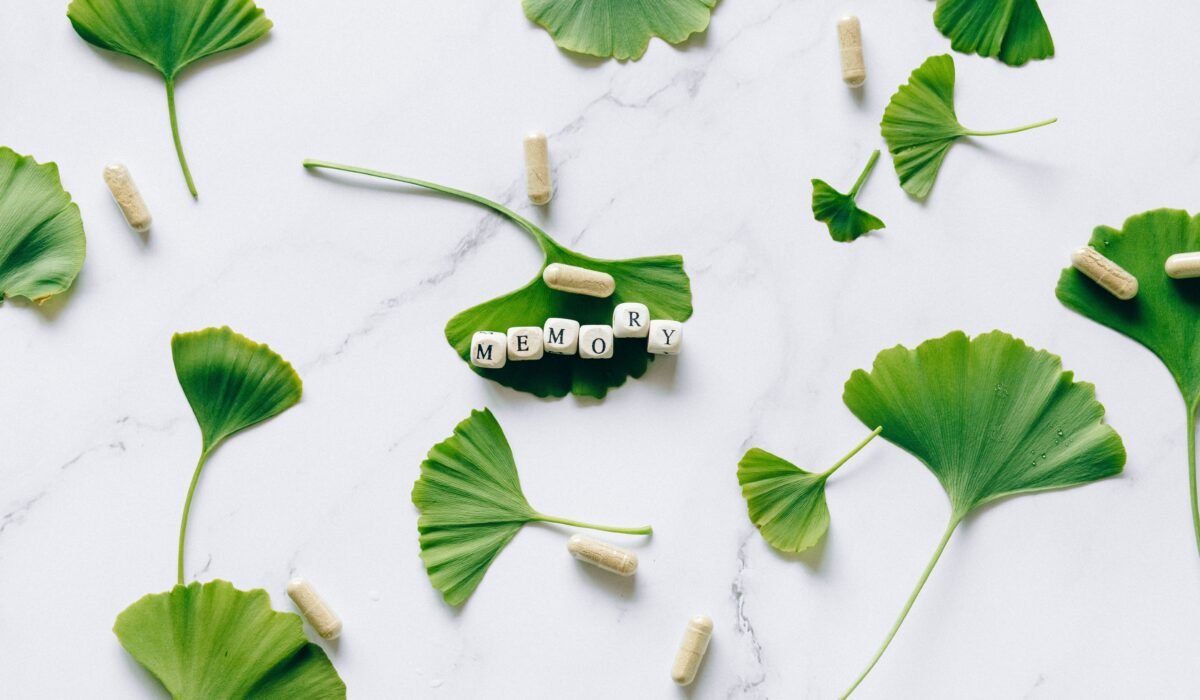
Navigating the vast world of cognitive enhancement can be daunting, but finding the Best Memory Support Supplements doesn’t have to be. Many of us worry about occasional forgetfulness or the subtle shifts in focus that come with age, and it’s natural to seek ways to support our brain health. This comprehensive guide, informed by the latest scientific research and expert insights, will cut through the noise to help you understand what works, what doesn’t, and how supplements can fit into a broader strategy for a sharper mind.
Do Memory Support Supplements Actually Work?
This is the burning question for anyone considering adding something new to their routine, and the short answer is: it’s complicated. The market for brain health supplements is booming, projected to reach USD 33.97 billion by 2033 globally, with the memory enhancement segment holding a leading 38.9% share in 2024. This growth shows a clear demand, but it doesn’t automatically equate to proven efficacy for all products.
Many experts, including Dr. Pieter Cohen, an internist with Harvard-affiliated Cambridge Health Alliance, express caution. He notes that “There’s no evidence to suggest there’s an ingredient in supplements that can improve brain health. Nothing legally contained in supplements has been proven to improve your thinking or prevent memory loss.” This perspective highlights the often-optimistic marketing versus the rigorous demands of scientific proof. Indeed, the Global Council on Brain Health (GCBH) reviewed the evidence and “could not endorse any ingredient, product or supplement formulation designed for brain health” for most people, emphasizing the importance of a healthy diet instead.
However, this doesn’t mean all memory support supplements are without merit. The research in this area, as Babak Tousi, MD, a memory and cognitive health specialist at Cleveland Clinic, points out, “is in its infancy.” Some specific ingredients do show promise under certain conditions or for particular demographics, but the effects are often modest and not universal. My experience researching dietary supplements has shown me that while a magic pill is rare, targeted nutritional support can sometimes make a difference for specific deficiencies or needs.
What are the Best Memory Support Supplements & Key Ingredients?
When evaluating the best memory support supplements, it’s crucial to look beyond bold claims and focus on specific ingredients backed by scientific investigation. While no single supplement is a miracle cure for memory loss or cognitive decline, several compounds have shown promising results in various studies. Here’s a look at some of the key players:
- Omega-3 Fatty Acids (DHA/EPA): These essential fats, particularly DHA, are crucial components of neuronal cell membranes and vital for overall brain health. Studies suggest they can reduce inflammation, boost cognitive health, and improve learning and memory. A 2024 research review in *Cureus* concluded that curcumin supplementation significantly enhances cognitive performance in adults by improving working memory and preventing neurodegeneration. For those looking to support their cognitive function, omega-3s are often among the top best memory support supplements.
- Bacopa Monnieri: An ancient Ayurvedic herb, Bacopa monnieri has been studied for its potential to enhance cognitive performance. Clinical research published in the *Journal of Ethnopharmacology* indicates it may improve attention, cognitive processing, and working memory. Consistent use, often at dosages of 300–450 mg/day for 8-12 weeks, is typically required to see results.
- Creatine: Often associated with muscle building, creatine also has strong evidence for supporting cognition, particularly memory and processing speed, especially in older adults. A February 2026 systematic review in *Nutrition Reviews* found evidence suggesting it may be favorable for cognitive function, further supported by a 2023 randomized controlled trial in *BMC Medicine* that found creatine improved cognitive performance compared to placebo.
- Lion’s Mane Mushroom (Hericium erinaceus): This unique mushroom is gaining traction for its potential to promote nerve growth factor (NGF), which is essential for neuron health. A September 2025 systematic review in *Frontiers in Nutrition* found it shows promise for cognitive function, mood, and neuroprotection, though more standardized human trials are needed to solidify its role among the best memory support supplements.
- Ginkgo Biloba: A well-known herbal extract, Ginkgo biloba is widely recognized for its potential to enhance blood circulation to the brain, which can indirectly promote better cognitive performance and focus and concentration. However, it’s important to note that large clinical trials, such as the Ginkgo Evaluation of Memory (GEM) study, found it did not lower the overall rate of developing dementia.
- B Vitamins (B6, B9/Folic Acid, B12): These vitamins play a critical role in brain health, particularly in homocysteine metabolism, which can impact cognitive function. A 2022 research review in *Nutrition* concluded that B vitamin supplements can help slow cognitive decline, especially in individuals with deficiencies who start taking them early and continue for an extended period.
- Curcumin: The active compound in turmeric, curcumin is celebrated for its powerful anti-inflammatory and antioxidant properties. Emerging research, including a 2024 review in *Cureus*, suggests that curcumin supplementation can significantly enhance cognitive performance by improving working memory and offering neuroprotection, making it a valuable addition to brain health strategies.
Who Benefits Most from Memory Supplements and Why?
Understanding who stands to gain the most from memory supplements is key to a realistic approach. It’s rarely a universal solution, and effectiveness often hinges on individual circumstances and underlying health. In my research, I’ve found that the benefits are most pronounced for specific groups or those with particular needs rather than a general population seeking a “brain boost.”
Individuals with Nutritional Deficiencies: This group often sees the most measurable improvements. For instance, those with B vitamin deficiencies, particularly B12, can experience significant cognitive decline. Supplementation in these cases can help restore normal brain function and slow cognitive decline. The “vitamins and minerals” segment is projected to be the fastest-growing product type in the US brain health supplements market, expanding at a 12.38% CAGR between 2026 and 2031, reflecting their foundational importance.
Older Adults and Those with Mild Cognitive Impairment: While supplements are not a cure for conditions like Alzheimer’s disease (affecting approximately 6.9 million Americans aged 65-plus in 2024, according to the Alzheimer’s Association), some ingredients may offer support for mild cognitive impairment (MCI). For example, certain omega-3 formulations or Bacopa monnieri have shown modest benefits in improving memory and focus and concentration in older populations. These aren’t about preventing dementia, but rather supporting existing cognitive function.
Healthy Young Adults: For individuals without existing deficiencies or cognitive impairment, the evidence for significant benefits from memory support supplements is generally weaker. While certain nootropics might offer a temporary edge in focus or processing speed, the long-term impact on overall brain health is less clear. Often, the perceived benefits in this group might be more related to placebo effect or improved lifestyle habits adopted alongside supplementation.
Ultimately, the most significant gains are often seen when supplements address a specific underlying issue, rather than acting as a standalone solution for a perfectly healthy brain. This is why a personalized approach, ideally under medical guidance, is so crucial.
What are the Risks: Side Effects and Drug Interactions of Memory Boosters?
While the allure of enhanced memory and focus is strong, it’s vital to approach memory boosters with a healthy dose of caution regarding potential side effects and drug interactions. The supplement industry is not regulated with the same rigor as pharmaceuticals, meaning product quality and safety can vary widely. As Dr. Babak Tousi from Cleveland Clinic notes, “And there are some safety concerns.”
Common side effects can range from mild digestive upset to headaches or insomnia, depending on the ingredient. More concerning are potential interactions with prescription medications. For example, Ginkgo Biloba is known to have blood-thinning properties, which can be dangerous if taken concurrently with anticoagulant medications like warfarin or aspirin, increasing the risk of bleeding. Similarly, high doses of certain B vitamins, particularly B6, can lead to nerve damage over time.
Some nootropics, especially those with stimulant effects, can cause anxiety, heart palpitations, or sleep disturbances. It’s also possible to have allergic reactions to herbal ingredients. The lack of standardized dosages and purity in some products further complicates matters, making it difficult to predict individual responses. This is why consulting a healthcare professional is paramount before starting any new memory support supplement, especially if you have existing health conditions or are taking other medications.
Always prioritize supplements from reputable brands that undergo third-party testing for purity and potency. This helps mitigate risks associated with contaminants or inaccurate ingredient labeling, which can be a serious issue in the unregulated market of brain health supplements.
Beyond Supplements: A Holistic Approach to Brain Health
While we’ve discussed the potential of the best memory support supplements, it’s crucial to understand that they are just one piece of a much larger puzzle. For optimal brain health and to combat cognitive decline, a holistic lifestyle approach is undeniably the most powerful strategy. As Dr. Gad Marshall, assistant professor of neurology at Harvard Medical School, strongly recommends, a Mediterranean-style diet and regular physical exercise are his “strongest recommendations” for preventing cognitive decline and dementia, backed by “good evidence from multiple studies.”
Here are the foundational pillars of brain health that should always take precedence:
- Nutrition: A balanced diet rich in fruits, vegetables, whole grains, lean proteins, and healthy fats is paramount. The Mediterranean diet, with its emphasis on plant-based foods, fish, and olive oil, has consistently been linked to better cognitive outcomes and neuroprotection. Limiting processed foods, sugar, and unhealthy fats is equally important for long-term brain health.
- Physical Activity: Regular exercise boosts blood flow to the brain, reduces inflammation, and stimulates the growth of new brain cells. Aim for a mix of aerobic activities, strength training, and flexibility exercises. Even moderate physical activity, like a brisk walk daily, can significantly impact memory and cognitive function.
- Quality Sleep: Sleep is not just rest; it’s a vital period for memory consolidation, waste removal from the brain, and cellular repair. Chronic sleep deprivation can severely impair cognitive function and contribute to memory loss. Prioritize 7-9 hours of quality sleep per night and establish a consistent sleep schedule. If you struggle with sleep, exploring options like natural sleep support can be beneficial.
- Stress Management: Chronic stress can have detrimental effects on brain structure and function, particularly areas involved in memory and learning. Incorporate stress-reducing practices like mindfulness meditation, yoga, deep breathing exercises, or spending time in nature. Effectively managing stress is a powerful tool for preserving cognitive vitality.
- Mental Stimulation: Keep your brain active and engaged. Learning new skills, reading, solving puzzles, playing musical instruments, or engaging in stimulating conversations can build cognitive reserve and help maintain mental sharpness.
These lifestyle factors create the optimal environment for your brain to thrive. Supplements, even the best memory support supplements, should always be considered as complementary tools to this robust foundation, not replacements.
How to Choose the Best Memory Support Supplement for You
Given the vast array of options and the nuanced science, selecting the best memory support supplement can feel overwhelming. As a health and wellness content researcher, I’ve developed a framework to help consumers make informed decisions. It’s about prioritizing safety, evidence, and your individual needs.
Here’s what to consider:
- Consult Your Doctor First: This is the single most important step. Your healthcare provider can assess your overall health, identify any underlying deficiencies or conditions contributing to memory loss, and advise on potential interactions with your current medications. They can help determine if a supplement is even necessary or appropriate for you.
- Look for Specific, Evidence-Backed Ingredients: Don’t fall for proprietary blends with vague claims. Focus on supplements containing ingredients like omega-3 fatty acids, Bacopa monnieri, creatine, or B vitamins, which have a body of research supporting their efficacy for memory and cognitive function. Understand what each ingredient is supposed to do.
- Prioritize Third-Party Testing: Since the FDA does not rigorously regulate supplements before they hit the market, independent third-party testing is crucial. Look for certifications from organizations like NSF International, USP, or ConsumerLab. These certifications indicate that the product has been tested for purity, potency, and absence of contaminants, ensuring you’re getting what’s on the label.
- Check Dosage and Form: Ensure the supplement provides the clinically studied dosage of the active ingredient. For example, Bacopa monnieri studies often use 300-450 mg/day. Also, consider the form (capsule, liquid, etc.) and bioavailability, as some forms are absorbed better than others.
- Read Reviews, But Critically: Customer feedback can offer insights into user experience, but be wary of overly enthusiastic or generic testimonials. Look for reviews that detail specific benefits, side effects, or lack thereof, and consider the source of the review. Remember, individual results vary widely.
- Consider Your Goals: Are you looking for better focus and concentration for studying, or support for age-related memory decline? Your specific goals might guide you toward different ingredients. For instance, some brain health supplements reviews highlight ingredients better suited for focus versus long-term neuroprotection.
- Patience and Consistency: Supplements, especially herbal ones, often require consistent use over several weeks or months to show noticeable effects. Don’t expect instant results.
Choosing the best memory support supplements is a thoughtful process that combines scientific understanding with personal health considerations. It’s about making an informed decision that supports your overall well-being.
Expert Insights: What Leading Doctors Say About Brain Health Supplements
When it comes to brain health and the efficacy of memory support supplements, the medical community often speaks with a voice of caution, tempered by an acknowledgment of ongoing research. This nuanced perspective is vital for consumers seeking reliable information.
As mentioned earlier, Dr. Pieter Cohen of Harvard-affiliated Cambridge Health Alliance is quite direct, stating there’s “no evidence to suggest there’s an ingredient in supplements that can improve brain health.” This sentiment is echoed by the Global Council on Brain Health (GCBH), an independent collaborative of experts from AARP, who, after an extensive review, “could not endorse any ingredient, product or supplement formulation designed for brain health.” Their conclusion emphasizes that for most people, the best way to get nutrients for brain health is from a healthy diet.
However, the conversation isn’t entirely dismissive. Dr. Babak Tousi, a memory and cognitive health specialist at Cleveland Clinic, acknowledges that “The research in this area is in its infancy. We don’t yet have the data we need to make a recommendation about whether brain health supplements work. And there are some safety concerns.” This highlights the evolving nature of science and the need for more robust, long-term studies.
Interestingly, some experts, while cautious, remain open to specific possibilities. Sara Siavoshi, DO, a neurologist and assistant professor at UC San Diego Health, has dismissed many overhyped brain supplements but noted that one particular ingredient caught her attention, implying a selective approach to recommendations based on emerging evidence. This suggests that while a broad endorsement of all “memory boosters” is unwarranted, focused research on specific compounds may yield positive findings.
The overarching message from these medical professionals is clear: lifestyle interventions, particularly diet and exercise, are the strongest recommendations for preventing cognitive decline and promoting brain health. Supplements, if considered at all, should be viewed as a secondary, supportive measure, always discussed with a healthcare provider, and never as a replacement for fundamental healthy habits.
Frequently Asked Questions
What is the best supplement for memory loss?
There isn’t a single “best” supplement for memory loss that works for everyone, as efficacy often depends on the underlying cause of memory issues. However, ingredients like Omega-3 fatty acids, Bacopa Monnieri, and specific B vitamins (especially if deficient) show the most promise in research for supporting cognitive function and memory. Always consult a healthcare professional to determine the most appropriate approach for your individual needs.
What vitamin is good for memory loss?
B vitamins, particularly B6, B9 (folic acid), and B12, are crucial for brain health and can be beneficial for memory, especially in individuals with deficiencies. These vitamins play a key role in nerve function and the metabolism of homocysteine, an amino acid linked to cognitive decline when levels are high. Addressing a B vitamin deficiency through supplementation can help improve memory and cognitive performance.
What is the best brain supplement for memory and focus?
For both memory and focus, supplements combining ingredients like Bacopa Monnieri, which has shown benefits in attention and working memory, and Lion’s Mane Mushroom, known for promoting nerve growth factor and cognitive clarity, might be considered. Additionally, Omega-3 fatty acids support overall brain health, which underpins both memory and focus. The best choice depends on individual needs and should be discussed with a doctor.
Do memory pills really work?
The efficacy of “memory pills” varies greatly, and many experts maintain a cautious stance due to a lack of robust, long-term evidence for widespread benefits. While some specific ingredients like certain B vitamins (for deficiencies) or Bacopa Monnieri have demonstrated modest improvements in memory and cognitive function in studies, they are not a cure-all. Lifestyle factors such as diet, exercise, and sleep remain the most powerful tools for brain health.
In the quest for a sharper mind, understanding the Best Memory Support Supplements means appreciating a blend of scientific promise and cautious realism. While specific ingredients like Omega-3s, Bacopa Monnieri, and B vitamins offer targeted support, they are most effective when integrated into a comprehensive approach to brain health. Prioritizing a nutrient-rich diet, regular exercise, quality sleep, and stress management forms the bedrock of cognitive vitality. Always consult with a healthcare professional to ensure any supplement choice is safe, appropriate, and truly beneficial for your individual needs.