
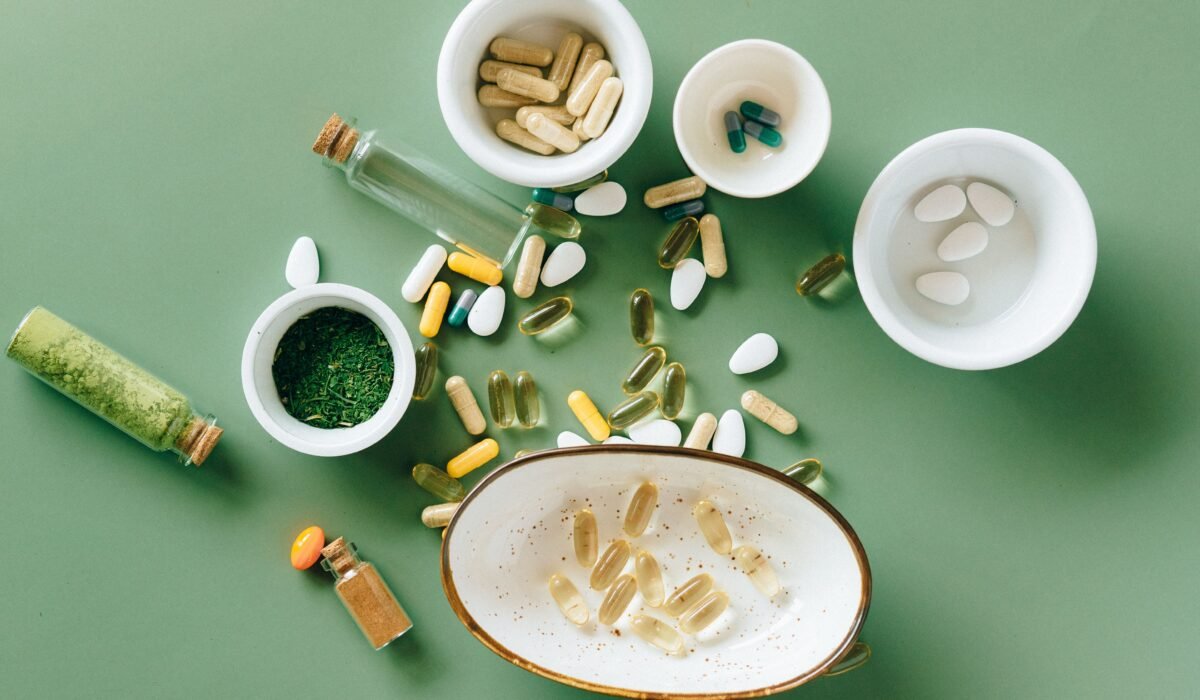
If you’re looking for the **Best Gut Health Supplements** to support your digestive wellness, you’re not alone. Many people experience recurring gastrointestinal issues that impact their daily lives, and navigating the vast supplement market can feel overwhelming. This guide, crafted by an expert in dietary supplements, will cut through the noise, providing you with clear, evidence-backed insights to help you make informed choices for your unique needs.
What Are Gut Health Supplements & Why Are They Important?
Gut health supplements are products designed to support the balance and function of your digestive system, primarily by nurturing your gut microbiome. This complex community of trillions of microorganisms plays a pivotal role far beyond just digestion; it influences your immune system, brain health, mood, and even nutrient absorption. In my research, I’ve seen firsthand how a healthy gut is foundational to overall wellness.
The importance of these supplements is underscored by staggering statistics: as many as 40% of adults in the U.S. report recurring gastrointestinal issues impacting their daily lives, and an estimated 60-70 million Americans are affected by digestive diseases. This widespread challenge has fueled a booming market, with the global digestive health supplements market estimated at **USD 15.7 billion in 2024** and projected to reach USD 36.2 billion by 2033, according to industry reports. This growth highlights a clear demand for effective solutions to support our gut.
What is the #1 Supplement for Gut Health?
The short answer to “What is the #1 supplement for gut health?” isn’t a single product, but rather a category: **probiotics**. These beneficial live microorganisms are widely recognized for their ability to balance the gut microbiome. However, it’s crucial to understand that “number one” can be subjective and depend heavily on individual needs.
Recent research, including a 2025 meta-analysis of 45 clinical trials, indicates that multi-strain probiotics containing *Lactobacillus* and *Bifidobacterium* species show the highest efficacy rates for improving gut health. These studies suggest that 15-20 billion CFUs (colony-forming units) daily is optimal for most adults, with multi-strain formulations showing a 70% improvement in digestive symptoms compared to 45% for single-strain probiotics. While probiotics often take center stage, combining them with prebiotics in a “best probiotic and prebiotic supplement” can offer even more comprehensive support by feeding the beneficial bacteria.
Doctor-Recommended Gut Health Supplements for Overall Wellness
When considering doctor-recommended gut health supplements, the emphasis is often on clinically studied strains and a holistic approach to digestive health. Experts like Miguel Freitas, Ph.D., a microbiome expert, highlight the gut microbiome’s role in everything from brain health to the immune system, making proactive choices vital.
Here are some types of supplements and dietary approaches frequently recommended by healthcare professionals:
- Multi-Strain Probiotics: Dietitians and doctors frequently suggest probiotics containing well-researched strains like *Lactobacillus rhamnosus GG* (LGG) and *Bifidobacterium animalis ssp. lactis BB-12*. Brands like Culturelle Digestive Daily Probiotic Capsules (LGG) and Ritual Synbiotic+ (LGG, BB-12) are often cited for their scientific backing and comprehensive approach.
- Fermented Foods and Beverages: Dr. Karnatovskaia of Mayo Clinic Press recommends natural sources like kefir and kombucha as effective probiotic beverages. These provide a diverse range of beneficial bacteria that can genuinely support your gut.
- Prebiotic Fibers: These are non-digestible fibers that feed your beneficial gut bacteria. Experts like Kirsten Jackson, a consultant dietitian, advocate for a diverse diet rich in plant sources to ensure adequate fiber intake. Supplements often contain inulin, FOS, or GOS.
- Specific Ingredients for Gut Lining Support: For those concerned with gut integrity, amino acids like L-glutamine are often recommended. It plays a crucial role in repairing and protecting the gut lining, and research suggests it can reduce inflammation and improve intestinal permeability.
Ultimately, a registered dietitian or doctor can help you determine the most appropriate supplements and dosages tailored to your specific health profile, as the “best” choice is highly individualized.
The Best Gut Health Supplements for Your Specific Needs
Finding the best gut health supplements isn’t a one-size-fits-all endeavor. Your unique health goals, dietary restrictions, and specific gut issues should guide your choices. This personalized approach is what truly makes a supplement effective.
For Leaky Gut Syndrome (Intestinal Permeability)
If you’re dealing with symptoms of “leaky gut,” where the intestinal lining becomes compromised, certain supplements can be highly beneficial. The goal is to repair and strengthen the gut barrier.
- L-Glutamine: This amino acid is a primary fuel source for intestinal cells and is vital for maintaining the integrity of the gut lining. Studies suggest it can help reduce inflammation and improve intestinal permeability.
- Zinc: Essential for immune function and metabolic processes, zinc has been shown to strengthen the gut lining and modify tight junctions, which are critical for limiting gut permeability.
- Collagen Peptides: Collagen, rich in amino acids like glycine and proline, may play a beneficial role in gut health by preventing the breakdown of the intestinal lining and exhibiting anti-inflammatory properties.
For Irritable Bowel Syndrome (IBS) and Bloating
Managing IBS symptoms often involves reducing inflammation and balancing the gut microbiome.
- Specific Probiotic Strains: VSL#3, a high-potency blend with 8 strains (e.g., *Lactobacillus acidophilus, Bifidobacterium longum*), has shown significant improvement in people with IBS in systematic reviews. For bloating, Mindbodygreen Advanced Probiotic+ is recommended, containing strains like *B. lactis Bi-07* and *B. lactis HN019*.
- Curcumin: The active compound in turmeric, curcumin, is known for its anti-inflammatory and antioxidant properties, which can help alleviate IBS symptoms and stimulate bile production.
- Digestive Enzymes: While not strictly gut health supplements, digestive enzymes can aid in breaking down food, reducing gas and bloating for some individuals with IBS.
Gut Health Supplements Without Probiotics
For those sensitive to probiotics or looking for alternative support, there are excellent options.
- Prebiotic Fibers: Supplements containing inulin, FOS, or GOS can nourish your existing beneficial bacteria without introducing new strains.
- Postbiotics: These are the beneficial compounds produced by gut bacteria (e.g., tributyrin). Ritual Synbiotic+ includes a postbiotic, offering a comprehensive approach.
- Botanicals and Herbal Extracts: Ingredients like ginger, peppermint, and aloe vera can soothe digestive upset and support gut motility without probiotics.
The key is to identify your specific symptoms and consult with a healthcare professional to tailor your approach.
Gut Health Supplements for Men & Oral Health Connections
While many gut health supplements offer universal benefits, there are specific considerations when discussing the **best gut health supplements for men**, particularly concerning their unique physiological needs and the often-overlooked link to oral health. Men, like women, benefit immensely from a balanced gut microbiome for overall well-being, including immune function, mood regulation, and nutrient absorption.
For men, a healthy gut can indirectly support various aspects of health. For example, a balanced gut microbiome contributes to efficient nutrient absorption, which is crucial for hormone production and energy levels. While direct links to prostate health or testosterone levels from specific gut supplements are still emerging, maintaining robust digestive health is a foundational step for systemic wellness. Furthermore, certain probiotic strains may support athletic performance by improving nutrient uptake and reducing exercise-induced gut distress.
What most people miss is the profound connection between gut health and oral health – often referred to as the **gut-oral axis**. Your mouth is the gateway to your digestive tract, and the bacteria residing there can significantly influence your gut microbiome. An imbalance in oral bacteria can contribute to systemic inflammation and impact gut health. Conversely, a healthy gut can help strengthen the immune system, potentially reducing susceptibility to oral issues like gum disease. Some specific probiotic strains, like *Lactobacillus reuteri*, are being studied for their dual benefits in both gut and oral microbiomes, making them an interesting consideration for a comprehensive approach to men’s health.
How to Choose High-Quality, Effective Gut Health Supplements
Navigating the vast and often unregulated world of gut health supplements requires a discerning eye. As a health and wellness content researcher, I’ve seen countless products make bold claims with little to no scientific backing. The reality is that the FDA does not regulate dietary supplements for safety or effectiveness before they are sold, making your selection process critical.
Here’s how to choose high-quality, effective gut health supplements:
- Look for Third-Party Testing: This is paramount. Reputable brands will have their products tested by independent organizations (e.g., NSF International, USP, ConsumerLab.com) to verify ingredient purity, potency, and absence of contaminants. This provides an essential layer of trust and safety.
- Identify Specific Strains and CFU Count for Probiotics: For probiotics, don’t just look for “probiotics” on the label. Seek out products that list specific bacterial strains (e.g., *Lactobacillus rhamnosus GG* rather than just *Lactobacillus*) and their corresponding CFU count. While 15-20 billion CFUs daily is often optimal, the right strain for your condition matters more than just a high number.
- Check for Transparency in Ingredients: Avoid proprietary blends where the exact amounts of each ingredient are not disclosed. You want to know exactly what you’re putting into your body. Look for clear labeling of all active and inactive ingredients.
- Consider Delivery Method and Stability: Some probiotics require refrigeration, while others are shelf-stable. Enteric-coated capsules can help ensure probiotics survive stomach acid to reach the intestines. A 2025 study showed *Bacillus coagulans GBI-30, 6086* had 94% survival through stomach acid, highlighting the importance of resilient strains.
- Research Brand Reputation and Reviews: While individual reviews can be subjective, a consistent pattern of positive feedback, coupled with a brand’s commitment to scientific research and quality, is a good indicator.
- Consult a Healthcare Professional: Before starting any new supplement regimen, especially if you have underlying health conditions or are taking medications, speak with your doctor or a registered dietitian. They can provide personalized guidance and help you avoid potential interactions.
By following these guidelines, you can significantly increase your chances of finding effective and safe gut health supplements that genuinely support your well-being.
Understanding Different Types: Probiotics, Prebiotics, Postbiotics & More
The world of gut health supplements is diverse, extending beyond just probiotics. To truly optimize your digestive health, it’s helpful to understand the various types and how they work together to support your gut microbiome.
Probiotics
Probiotics are live microorganisms that, when administered in adequate amounts, confer a health benefit on the host. These are the “good” bacteria and yeasts that help maintain a balanced gut. They can improve digestive health, boost immune function, and even influence mood. Examples include strains like *Lactobacillus rhamnosus GG* (found in Culturelle) and *Bifidobacterium animalis ssp. lactis BB-12* (in Ritual Synbiotic+). For more in-depth information, you might find our guide on Best Probiotic Supplements helpful.
Prebiotics
Prebiotics are non-digestible food ingredients that selectively stimulate the growth and activity of beneficial microorganisms in the gut. Think of them as the “food” for your probiotics. Common examples include various types of fiber like inulin (found in chicory root, garlic, onions, bananas), fructooligosaccharides (FOS), galactooligosaccharides (GOS), and resistant starch (from green bananas or cooked and cooled potatoes/rice). Combining probiotics and prebiotics in a **synbiotic** supplement can offer a synergistic effect.
Postbiotics
Postbiotics are the beneficial byproducts or metabolic waste products produced by probiotics during fermentation. These include short-chain fatty acids (SCFAs) like butyrate, enzymes, and peptides. They play crucial roles in supporting the gut lining, regulating inflammation, and aiding immune function. Tributyrin is an example of a postbiotic ingredient found in supplements like Ritual Synbiotic+. As Dr. Megan Rossi, a gut health scientist, notes, the delivery method isn’t always key; it’s about what the product *does* for your specific needs.
Other Gut-Supportive Ingredients
Beyond the “P” trio, several other ingredients are recognized for their gut-healing properties:
- L-Glutamine: An amino acid critical for gut lining repair and integrity, particularly beneficial for issues like leaky gut syndrome.
- Digestive Enzymes: These help break down food, improving nutrient absorption and reducing digestive discomfort like bloating and gas.
- Botanicals and Herbs: Ingredients like ginger, peppermint, slippery elm, and marshmallow root can soothe an irritated gut lining and support healthy digestion.
- Zinc: An essential mineral that strengthens the gut barrier and supports immune function within the gut.
Understanding these different types empowers you to build a comprehensive strategy for your gut health, often involving a combination of approaches.
Signs of an Unhealthy Gut: When to Consider Supplements
Your gut often sends clear signals when it’s not happy. Recognizing these signs is the first step toward addressing potential imbalances and deciding if gut health supplements might be a beneficial addition to your routine. An unhealthy gut can manifest in various ways, impacting not just your digestive system but your entire body.
Here are common signs that might indicate an unhealthy gut:
- Digestive Discomfort: Persistent bloating, gas, abdominal pain, constipation, or diarrhea are classic indicators. These symptoms suggest an imbalance in your gut microbiome or issues with digestive function.
- Food Intolerances: Developing new or worsening sensitivities to certain foods can be a sign of a compromised gut lining or an imbalanced gut flora.
- Fatigue and Low Energy: A struggling gut can impair nutrient absorption, leading to deficiencies that manifest as chronic fatigue. The gut-brain axis also plays a role in energy regulation.
- Skin Issues: Conditions like acne, eczema, or psoriasis are often linked to gut health. An inflamed gut can contribute to systemic inflammation, which may show up on your skin.
- Mood Disturbances: Given that a significant portion of serotonin (a “feel-good” neurotransmitter) is produced in the gut, an unhealthy gut can contribute to anxiety, depression, or irritability. Recent studies, like one published in the Journal of the American Geriatrics Society in June 2026, even suggest probiotics may help reduce symptoms of depression and anxiety.
- Weakened Immune System: The gut houses a large part of your immune system. Frequent illness or a slow recovery from infections can signal a compromised gut.
If you regularly experience several of these signs, it’s a strong indication that your gut health needs attention. While dietary changes, stress management, and lifestyle adjustments are foundational, considering the **best gut health supplements** can provide targeted support to help restore balance and alleviate symptoms. Always consult with a healthcare professional to get a proper diagnosis and personalized recommendations.
Frequently Asked Questions
What is the #1 supplement for gut health?
While there isn’t a single “number one” supplement for everyone, multi-strain probiotics are generally considered the most impactful category for overall gut health. These supplements introduce beneficial bacteria to the gut, helping to balance the microbiome and improve various digestive and systemic functions. The most effective choice often depends on individual needs and specific health goals.
What supplements do doctors recommend for gut health?
Doctors and dietitians often recommend multi-strain probiotics containing well-researched *Lactobacillus* and *Bifidobacterium* species, along with prebiotic fibers. They also suggest L-glutamine for gut lining support and natural sources of probiotics like kefir and kombucha. The recommendation is always personalized, emphasizing the importance of specific strains and dosages over generic products.
What is the best type of probiotic for gut health?
The best type of probiotic for gut health typically involves multi-strain formulations that combine different species, especially *Lactobacillus* and *Bifidobacterium*. Research indicates these combinations are more effective than single-strain probiotics for improving digestive symptoms. Specific strains, like *Lactobacillus rhamnosus GG* or *Bifidobacterium animalis ssp. lactis BB-12*, are often highlighted for their extensive clinical backing.
What are the signs of an unhealthy gut?
Signs of an unhealthy gut can include persistent digestive issues like bloating, gas, constipation, or diarrhea, as well as broader symptoms such as fatigue, food intolerances, skin problems (e.g., acne, eczema), and mood disturbances like anxiety or depression. These indicators suggest an imbalance in the gut microbiome or compromised gut function that may benefit from intervention.
Conclusion
Choosing the **best gut health supplements** can be a transformative step towards optimizing your digestive wellness and overall health. By understanding the different types of supplements, recognizing the signs of an unhealthy gut, and prioritizing high-quality, third-party tested products, you can make informed decisions. Remember that personalized choices, often guided by expert advice, are key to finding the most effective solutions for your unique body. Take charge of your gut health today and experience the profound benefits of a balanced microbiome.