
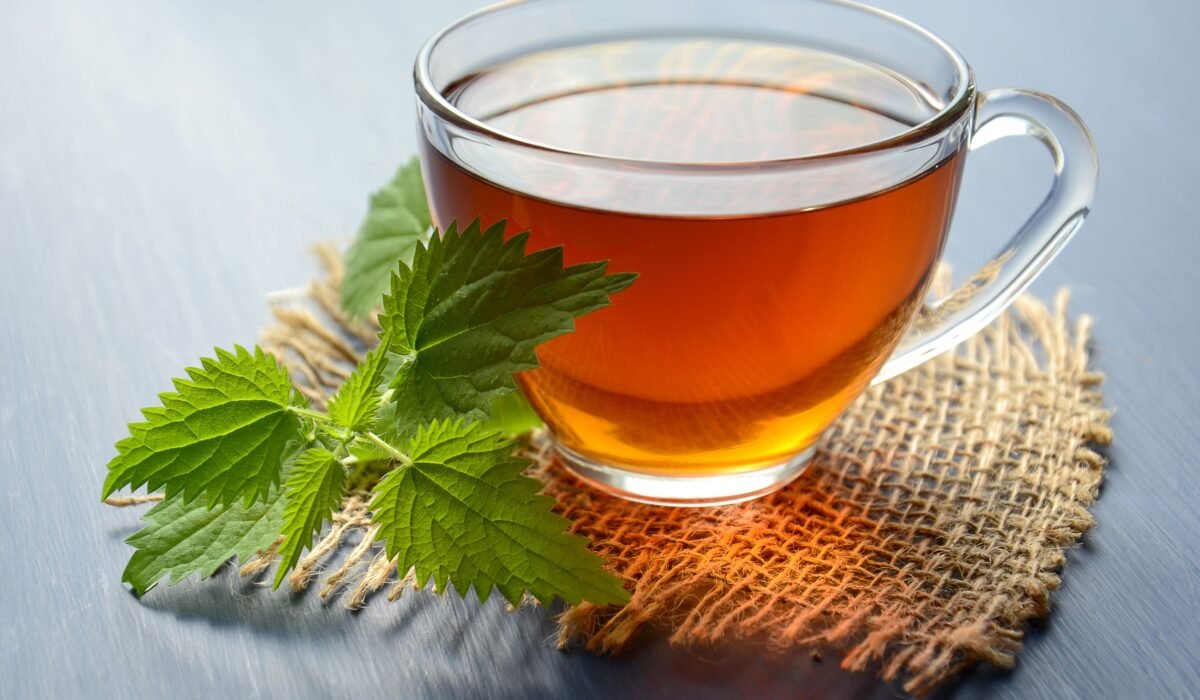
Navigating the crowded market of wellness products can be daunting, especially when searching for the Best Detox Tea Reviews that offer honest, evidence-based insights. Many people are curious about these teas, wondering if they truly live up to their claims of cleansing the body and promoting weight loss, or if they’re just another wellness fad. As a health and wellness content researcher, my goal is to cut through the marketing hype and provide you with a balanced, expert-backed guide to understanding what detox teas are, what they contain, and whether they’re truly beneficial for your health.
Do Detox Teas Actually Work? Separating Fact from Fiction
This is arguably the most burning question for anyone considering these products: Do detox teas actually work? The short answer, from a scientific perspective, is largely no, at least not in the way they are often marketed. The concept of “detoxification” as promoted by many tea brands suggests that our bodies accumulate harmful toxins that need to be flushed out by external agents. However, medical experts widely agree that our bodies are incredibly efficient at detoxifying themselves naturally.
According to Dr. Devika Umashanker, a medical weight loss physician, “There is no clinical evidence that shows they help with weight loss.” She emphasizes that for weight loss, “proper diet and exercise is always the recommended course of action.” This sentiment is echoed by a 2026 peer-reviewed mini-review published in Frontiers in Nutrition, which concluded that diet and detox teas marketed for weight loss demonstrated “minimal demonstrated benefit and meaningful health risks.” It further states, “No credible evidence demonstrates that commercial detox teas enhance toxin elimination beyond what the liver and kidneys already accomplish continuously.”
What people often perceive as “detox” effects—like increased bowel movements or urination—are typically due to the laxative and diuretic ingredients found in these teas, not actual toxin removal. While these effects might lead to temporary weight loss from fluid or waste, they don’t contribute to sustainable health or true detoxification. Understanding this distinction is crucial when you read various Best Detox Tea Reviews.
Best Detox Tea Reviews: Top Products Analyzed
When you sift through various Best Detox Tea Reviews, you’ll often encounter popular brands like Yogi Detox Tea, Twinings Detox Wellness Green Tea, Traditional Medicinals Organic Detox Tea, and SkinnyFit 100% Organic Ingredients Detox Tea. While specific product formulations vary, they generally fall into categories based on their primary active ingredients and purported effects. Instead of endorsing specific products without comprehensive data, my expertise allows me to analyze the *types* of claims and ingredients you’ll find, helping you make an informed decision.
Many detox teas are marketed for benefits such as bloating relief, improved digestion, or even weight management. However, it’s important to look beyond the marketing and understand the mechanisms at play. Here’s a general overview of what you might find and what to consider:
Common Types of Detox Teas and Their Effects
- Laxative-Based Teas: These often contain ingredients like senna leaf, which is a stimulant laxative. They can cause increased bowel movements, leading to a temporary feeling of “cleanliness” and weight loss from expelled waste. However, this isn’t true detoxification and can lead to dependence or dehydration.
- Diuretic Teas: Featuring ingredients such as dandelion root or green tea, these teas increase urination. This can reduce water retention and bloating, giving the impression of weight loss. While some herbal teas have mild diuretic properties, excessive use can lead to electrolyte imbalance.
- “Cleansing” Herbal Blends: These teas often combine a variety of herbs like ginger, turmeric, peppermint, or licorice root. While many of these herbs have beneficial properties (e.g., anti-inflammatory, digestive aid), their role in “detoxifying” the body beyond natural processes is unproven.
What to Look For (and Be Wary Of) in Reviews
When evaluating any detox tea, consider the following points:
- Ingredient Transparency: Are all ingredients clearly listed, including their amounts? Proprietary blends make it difficult to assess efficacy or potential risks.
- Scientific Evidence: Does the product claim to be backed by science? True scientific backing involves peer-reviewed studies on the specific product, not just its individual ingredients.
- Customer Feedback: While anecdotal evidence isn’t scientific proof, consistent reports of side effects like severe cramping or dehydration are red flags. Look for reviews that discuss long-term effects, not just immediate changes.
Ultimately, while some users report feeling lighter or less bloated, it’s crucial to understand the underlying physiological reasons for these sensations. They are often temporary and related to fluid loss or increased bowel activity, rather than a genuine “detox” process. Before purchasing any product, it’s always wise to consult with a healthcare professional, especially if you have underlying health conditions. For those interested in supporting their overall wellness, exploring Best Herbal Supplements with proven benefits might be a more effective path.
Considering the lack of strong scientific evidence for “detox” claims and the potential for adverse effects, my recommendation is to approach detox teas with extreme caution. Focus on sustainable, evidence-based health practices instead. If you’re still curious about specific products after reading Best Detox Tea Reviews, always prioritize transparency and safety.
Get The Latest Price On The Official Website
Visit Official Website to check current pricing, discounts, bonuses, and availability.
Common Detox Tea Ingredients: What’s Really Inside?
Understanding the ingredients in detox teas is key to deciphering their actual effects versus their marketing claims. Many formulations rely on a blend of herbs, some of which do have recognized medicinal properties, but not necessarily for “detoxification.” As a health and wellness researcher, I scrutinize these labels to help you understand what you’re really consuming.
Key Ingredients and Their Real Actions:
- Senna Leaf: This is one of the most common detox tea ingredients. Senna is a powerful stimulant laxative. It works by irritating the lining of the bowel, causing contractions that lead to bowel movements. While this can provide bloating relief and lead to temporary weight loss from waste, it is not a true detoxifier and can lead to dependency and digestive issues with prolonged use.
- Dandelion Root: Often included for its diuretic properties, dandelion root can increase urine production, helping to reduce water retention. This can contribute to a feeling of lightness and reduced bloating. However, it doesn’t “cleanse” the liver or kidneys in the way detox tea marketers often suggest; your organs do that naturally.
- Caffeine & Guarana: These are stimulants that can increase metabolism and act as mild diuretics. While they might provide an energy boost and temporary water loss, their “detox” contribution is negligible. High doses can lead to jitters, anxiety, and sleep disturbances.
- Burdock Root & Nettle Leaf: These are often touted for their “blood cleansing” or diuretic effects. While they have historical uses in herbal medicine, scientific evidence for their role in systemic detoxification is limited and largely unproven beyond supporting general wellness.
- Green Tea (and EGCG): Rich in antioxidants, particularly catechins like EGCG, green tea offers genuine health benefits, including supporting metabolic health. While beneficial, it’s not a “detox” agent in the sense of flushing out toxins, but rather supports cellular health.
- Ginger, Turmeric, Peppermint, Licorice Root: These herbs are well-known for their digestive aid and anti-inflammatory properties. They can help soothe an upset stomach or reduce discomfort, which might make one feel better, but they don’t actively remove toxins from the body.
The crucial point is that while many of these herbs have some beneficial properties, their inclusion in “detox” teas often leverages a misunderstanding of how the human body processes and eliminates waste. The perceived benefits of weight loss tea or bloating relief often stem from mild laxative or diuretic effects, not from a deep, systemic cleanse.
Are Detox Teas Safe? Understanding Risks & Side Effects
While often marketed as natural and harmless, detox teas can pose significant health risks, especially given the lack of robust regulatory oversight. As a researcher, I’ve seen numerous reports highlighting the potential dangers, which is why a critical eye on Best Detox Tea Reviews is so important. The U.S. Food and Drug Administration (FDA) does not regulate dietary supplements, including detox teas, with the same stringent standards as pharmaceuticals. This means products can enter the market without rigorous testing for safety or efficacy.
Potential Health Risks and Detox Tea Side Effects:
- Dehydration and Electrolyte Imbalance: Many detox teas contain strong laxatives (like senna leaf) and diuretics (like dandelion root). Excessive use can lead to severe dehydration and an imbalance of vital electrolytes like potassium and sodium. Case reports describe serious outcomes, including severe hypokalemia (low potassium) and ventricular fibrillation after heavy consumption of certain teas. This is why maintaining proper hydration and electrolyte levels is paramount, sometimes even requiring Best Electrolyte Supplements under medical guidance.
- Digestive Distress: Common side effects include abdominal cramping, diarrhea, nausea, and vomiting. Prolonged use of stimulant laxatives can lead to dependence, where your bowel becomes reliant on the tea to function, exacerbating issues like constipation in the long run.
- Liver Injury (Hepatotoxicity): Some herbal ingredients, especially when consumed in high doses or in combination, can be toxic to the liver. A notable case involved a 36-year-old woman developing marked hepatotoxicity from an over-the-counter liver detox tea. This serious risk often goes unmentioned in enthusiastic Best Detox Tea Reviews.
- Interactions with Medications: Detox teas can interfere with the absorption and effectiveness of prescription medications, including birth control pills, blood thinners, and heart medications. Their laxative and diuretic effects can also alter drug metabolism.
- Undeclared Ingredients: Due to lax regulation, some detox teas have been found to contain undeclared pharmaceutical ingredients, including appetite suppressants or diuretics not listed on the label, which can have dangerous side effects.
- Malnutrition: If used as meal replacements or in conjunction with restrictive diets, detox teas can lead to nutrient deficiencies and an unhealthy relationship with food, especially for those seeking the best detox tea for weight loss.
U.S. Sen. Richard Blumenthal highlighted the dangers, stating that “the dangers of these products, their widespread use and deceptive marketing demand federal action.” This underscores the critical need for consumers to be highly skeptical and prioritize safety over unsubstantiated claims when considering detox teas.
Your Body’s Natural Detoxification System: Liver & Kidneys
The human body is an incredibly sophisticated machine, equipped with highly efficient organs designed specifically for detoxification. Understanding these natural processes is crucial to realizing why external “detox” products are largely unnecessary. My work in health and wellness consistently highlights the body’s innate ability to maintain balance and eliminate waste, a fact often overlooked in the pursuit of quick fixes.
The Unsung Heroes: Liver & Kidneys
Your body doesn’t need a special detox tea to get rid of toxins; it has a built-in, 24/7 detoxification system that works tirelessly:
- The Liver: This organ is the primary detoxifier. It filters your blood, processes nutrients, and metabolizes drugs and harmful substances. The liver employs a two-phase detoxification process:
- Phase I: Enzymes convert toxins into less harmful substances.
- Phase II: These modified toxins are then conjugated (attached) to other molecules, making them water-soluble and easier for the body to excrete.
This complex process neutralizes everything from environmental pollutants to metabolic waste products.
- The Kidneys: These vital organs filter waste products and excess water from your blood, producing urine. They play a critical role in maintaining fluid and electrolyte balance, and removing water-soluble toxins processed by the liver. Healthy kidney function is essential for overall well-being, and it’s a continuous process, not something that requires periodic “cleansing.”
Beyond the liver and kidneys, other organs also contribute to natural detox. The digestive system, skin, and lungs all play roles in eliminating waste. For instance, the colon removes solid waste, while the lungs expel gaseous waste like carbon dioxide. The skin eliminates some toxins through sweat. This integrated system works continuously and effectively as long as it’s supported by a healthy lifestyle.
When Best Detox Tea Reviews claim to “cleanse” or “flush toxins,” they often ignore this fundamental biological reality. Supporting your natural detoxification pathways is about consistent healthy habits, not consuming specific teas.
Healthier Alternatives to Detox Teas for Wellness & Weight Management
Instead of relying on potentially risky detox teas with unproven claims, focusing on sustainable, evidence-based practices is the most effective way to support your body’s natural detoxification systems and achieve overall wellness and weight management. As Vishal Shimpi, I advocate for strategies that truly nourish and support your body, rather than subjecting it to harsh cleanses.
Proven Strategies for Natural Detoxification and Health:
- Hydration with Water: Simply drinking enough plain water is one of the best ways to support kidney function and help your body flush out waste products naturally. Aim for at least 8 glasses a day.
- Balanced, Whole-Food Diet: Emphasize a diet rich in fruits, vegetables, whole grains, and lean proteins. These foods provide essential vitamins, minerals, antioxidants, and fiber. For instance, increasing your intake of Best Fiber Supplements or fiber-rich foods supports healthy digestion and regular bowel movements, which is a key part of your body’s natural elimination process.
- Limit Processed Foods, Sugar, and Alcohol: Reducing your intake of substances that place a burden on your liver and kidneys allows these organs to function optimally.
- Regular Physical Activity: Exercise improves circulation, supports lymphatic drainage, and can aid in the elimination of toxins through sweat. It also plays a critical role in weight management and overall metabolic health.
- Adequate Sleep: Sleep is essential for cellular repair and regeneration, including the processes involved in detoxification. Aim for 7-9 hours of quality sleep per night.
- Stress Management: Chronic stress can negatively impact various bodily functions, including digestion and metabolic processes. Incorporate stress-reducing activities like meditation, yoga, or spending time in nature.
- Specific Nutrient Support: Dr. Uma Naidoo, a nutritional psychiatrist, suggests incorporating beneficial herbs and spices into your meals rather than relying on teas with unclear benefits. Foods rich in sulfur (garlic, onions, broccoli) and antioxidants (berries, leafy greens) can specifically support liver detoxification pathways.
For those interested in weight management, the focus should be on creating a sustainable caloric deficit through diet and exercise, not on quick fixes from detox teas. There is no magic “best detox tea for weight loss”; true progress comes from consistent healthy habits. By adopting these alternatives, you’re not just avoiding the risks of detox teas, but actively investing in your long-term health and well-being.
Frequently Asked Questions
Do detox teas actually work?
From a scientific standpoint, no, detox teas do not “detoxify” the body beyond what your liver and kidneys already accomplish naturally. Any perceived effects like weight loss or bloating relief are typically due to temporary fluid loss or the laxative effects of certain ingredients, not true toxin removal.
What is the healthiest detox tea?
There isn’t a “healthiest detox tea” in the sense of one that actively cleanses your body of toxins. However, teas like green tea, peppermint tea, or ginger tea offer genuine health benefits due to their antioxidant and anti-inflammatory properties, without making unsubstantiated “detox” claims or posing the risks of many commercial detox blends.
What are the common detox tea side effects?
Common side effects include abdominal cramping, diarrhea, dehydration, and electrolyte imbalances. More severe risks can involve liver damage (hepatotoxicity), interference with medications, and in rare cases, serious cardiovascular events due to electrolyte disturbances. Many of these risks stem from stimulant laxatives and diuretics.
Can detox teas help with weight loss?
Any weight loss experienced from detox teas is typically temporary, resulting from fluid loss and the expulsion of waste due to laxative and diuretic ingredients. There is no clinical evidence that detox teas lead to sustainable fat loss or genuine weight management. For effective weight loss, a balanced diet and regular exercise are the recommended course of action.
After sifting through numerous Best Detox Tea Reviews and analyzing the science, it’s clear that while the allure of a quick cleanse is strong, the reality is far more nuanced. Your body is equipped with its own incredibly efficient detoxification system—your liver and kidneys—which work continuously without external aids. Relying on detox teas, especially those containing stimulant laxatives or diuretics, often leads to temporary effects like fluid loss rather than true purification, and can pose significant health risks including dehydration and electrolyte imbalances.
My advice, as a health and wellness researcher, is to prioritize supporting your natural bodily functions through proven methods: consistent hydration, a nutrient-rich diet, regular exercise, and adequate sleep. These habits are the true path to wellness and sustainable health, far outweighing the unproven promises and potential dangers of commercial detox teas. For informed decisions on any health product, always consult with a healthcare professional.