
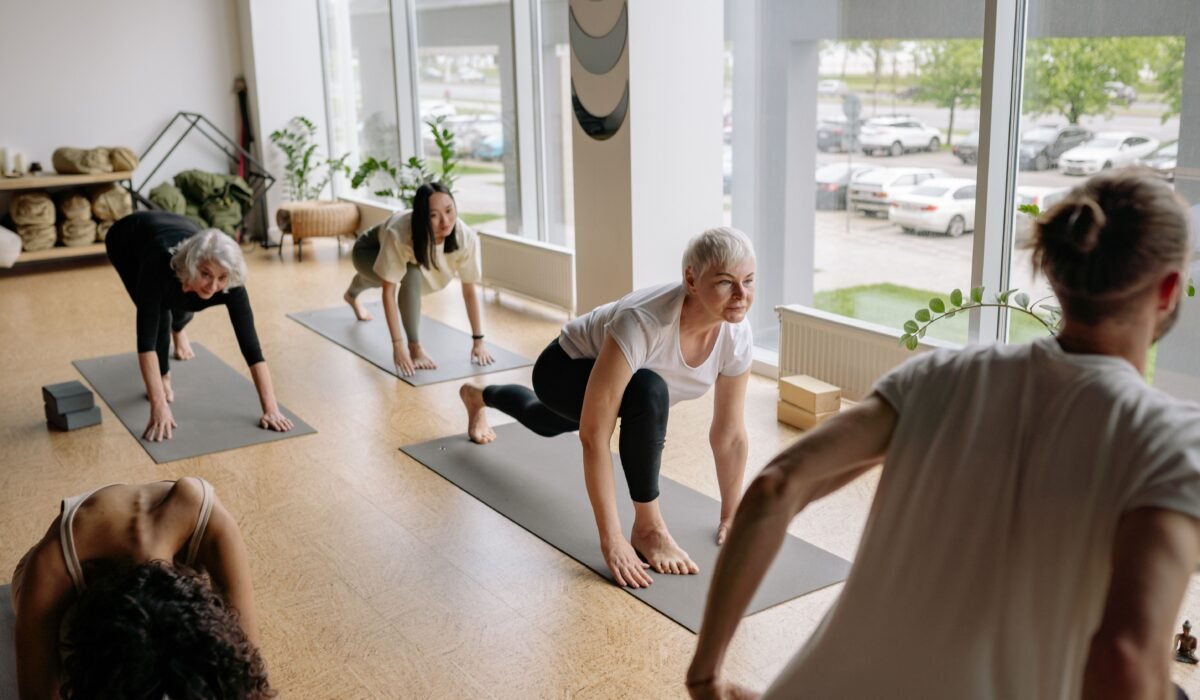
Finding the absolute Best Yoga Programs for Beginners can feel overwhelming with the sheer number of options available today. You’re ready to embrace the benefits of yoga, but navigating through countless apps, online platforms, and local studios to find the perfect starting point can be a challenge. This comprehensive guide, informed by my research into health and wellness trends, will cut through the noise, helping you discover the ideal program to kickstart your yoga journey with confidence and ease.
Why Start Yoga? Benefits for Absolute Beginners
Beginning a yoga practice offers a wealth of benefits that extend far beyond physical flexibility. For absolute beginners, yoga provides a gentle yet powerful pathway to improved well-being, both mentally and physically. As a health and wellness researcher, I’ve seen firsthand how consistent practice can transform lives, even for those starting with limited mobility or experience.
One of the most compelling reasons to embrace yoga is its profound impact on mental health. Research shows that an 8-week practice can decrease depression symptoms by 40%, while a 12-week mindfulness yoga program can reduce anxiety scores by 35%, according to the NCCIH. This isn’t just about stretching; it’s about cultivating a sense of calm and mental resilience that can help reduce everyday stress and prevent frequent burnouts.
Physically, yoga benefits are equally impressive. Over 61% of practitioners aim to improve their overall strength and flexibility, and for good reason. Yoga poses for beginners are designed to gradually enhance your range of motion, build core strength, and improve balance without putting undue strain on your body. UCLA Health emphasizes that yoga is an activity almost anyone can do, regardless of age or fitness level, highlighting the importance of finding the right type of yoga, such as gentle yoga or restorative styles, for newcomers.
Furthermore, regular yoga practice can significantly improve posture, alleviate chronic pain (especially low-back pain), and even boost cardiovascular health. The blend of physical movement, breathwork, and mindfulness yoga creates a holistic approach to health that supports your body’s natural healing processes and promotes overall vitality. It’s a foundational practice that can complement other wellness goals, like those you might pursue with Best Weight Management Programs.
How to Choose the Best Yoga Program for Beginners?
Selecting the ideal program requires a clear understanding of your personal goals and preferences. The market is saturated with options, making it crucial to identify what truly matters for your inaugural experience. As Vishal Shimpi, a content researcher focusing on informed decisions, I recommend evaluating several key factors to pinpoint the Best Yoga Programs for Beginners that align with your lifestyle.
First, consider your primary motivation. Are you seeking stress relief, improved flexibility, strength building, or a combination? Different styles of yoga cater to different outcomes. For instance, Hatha yoga for beginners program focuses on foundational poses and breathwork, making it excellent for building a strong base, while gentle or restorative yoga prioritizes relaxation and deep stretching.
Next, think about your learning style and schedule. Do you prefer the flexibility of online yoga for beginners, where you can practice from home at any time, or do you thrive in the structured environment of beginner yoga classes at a studio? Online options often provide a wider variety of instructors and price points, while in-person classes offer personalized feedback and a sense of community.
Finally, look for programs that emphasize proper alignment and modifications. A good beginner program will clearly explain how to perform yoga poses for beginners safely and offer variations for different body types and flexibility levels. Don’t be afraid to read reviews and even try a few trial classes before committing to ensure the instructor’s style resonates with you. Remember, the goal is to create a positive and sustainable entry into your yoga practice.
Top Online Yoga Programs & Apps for Absolute Beginners
For many, the convenience and accessibility of digital platforms make them the go-to choice for starting yoga. When it comes to finding the best online yoga for absolute beginners, several platforms consistently rise to the top, offering structured guidance and supportive communities. These resources are designed to make your home yoga practice both effective and enjoyable.
Popular Online Platforms & Apps:
In my research, I’ve identified a few standout platforms that are truly the Best Yoga Programs for Beginners in the digital space:
- Yoga with Adriene (YouTube): Widely acclaimed for its welcoming approach, Adriene Mishler offers a vast library of free yoga programs for beginners, including popular 30-day challenges. Her clear instructions, emphasis on listening to your body, and accessible language make her an excellent starting point for anyone new to yoga. She embodies the philosophy that “Yoga is not about touching your toes, it’s about what you learn on the way down,” as Judith Hanson Lasater famously stated.
- Down Dog App: This app stands out for its incredible customization. You can choose the style of yoga (e.g., Hatha, Vinyasa), duration, pace, music, and even the instructor’s voice. It generates fresh sequences for every practice, ensuring you never repeat the exact same class, which is fantastic for progressive learning and keeping things interesting.
- Alo Moves: Known for its high-quality production and diverse range of world-class instructors, Alo Moves offers structured programs tailored specifically for beginners. While a subscription service, the investment often pays off with its comprehensive library and ability to track progress. They make learning yoga for flexibility beginners incredibly engaging.
- Daily Yoga / Simply Yoga: These yoga apps for beginners provide structured courses and daily classes, often with clear video demonstrations and encouraging guidance. They are excellent for establishing a consistent routine and learning fundamental yoga poses for beginners at your own pace.
Many of these platforms offer trial periods, allowing you to sample their content before committing. This is an excellent way to find an instructor and style that resonates with you, ensuring your initial experience is positive and encouraging.
Should You Try In-Person Yoga Classes? Finding a Local Studio
While online options offer unparalleled convenience, the experience of practicing in a physical yoga studio can be incredibly beneficial for beginners. In-person beginner yoga classes provide immediate feedback from experienced instructors, a sense of community, and a dedicated space free from home distractions. It’s no surprise that offline yoga courses still account for a significant majority of the market, estimated at 73.9% in 2025, reflecting a strong preference for hands-on guidance.
One of the biggest advantages of a local studio is the direct, personalized instruction. An instructor can observe your form, offer real-time adjustments, and help you understand proper alignment for yoga poses for beginners. This feedback is invaluable for preventing injury and building a strong foundation. For example, a good teacher can gently correct a misaligned warrior pose or show you how to use a block to make a seated forward fold more accessible.
Finding the right local studio requires a bit of research. Start by looking for studios that specifically advertise “Beginner Yoga,” “Gentle Yoga,” or “Foundations of Yoga” classes. Many studios offer introductory packages or even free trial classes, allowing you to experience the atmosphere and teaching style before signing up for a membership. Don’t be afraid to call ahead and ask about their beginner offerings and what to expect in your first class.
When you visit, pay attention to the overall vibe. Does it feel welcoming and inclusive? Are the instructors approachable? A supportive community can significantly enhance your commitment to practice and help you feel more comfortable as you learn. Remember, the goal is to find a space where you feel safe to explore and grow in your practice, whether it’s a bustling urban studio or a quiet neighborhood gem offering gentle yoga programs for seniors.
Overcoming Common Beginner Yoga Challenges & Misconceptions
It’s completely normal to feel a bit intimidated when starting something new, and yoga is no exception. Many beginners harbor misconceptions that can prevent them from even stepping onto the mat. As a health researcher, I’ve observed that addressing these mental hurdles directly is key to helping individuals discover the Best Yoga Programs for Beginners and stick with their practice.
Common Challenges and How to Address Them:
- “I’m not flexible enough.” This is perhaps the most common misconception. The truth is, you don’t need to be flexible to start yoga; yoga helps you become flexible. Judith Hanson Lasater’s quote, “Yoga is not about touching your toes, it’s about what you learn on the way down,” perfectly encapsulates this. Focus on how the pose feels, not how deep you can go. Every body is different, and progress is personal.
- “I don’t know the poses.” This is why you’re a beginner! Quality beginner yoga classes and programs are designed to teach you the fundamentals step-by-step. Instructors will guide you through each pose, often demonstrating and explaining modifications. Don’t expect to know everything on day one; embrace the learning process.
- “I’ll look silly or out of place.” This fear often stems from comparing yourself to others. In a good yoga environment, the focus is internal. Everyone is on their own journey. Most people are too focused on their own practice to judge yours. If you’re doing yoga for beginners at home with an app, this concern is entirely eliminated.
- “Yoga is too slow/boring.” While some styles are meditative and slow, yoga encompasses a vast range of practices. If you find one style unengaging, try another. Vinyasa yoga, for example, is more dynamic and flowing. The key is to explore until you find a style that keeps you engaged and motivated.
Remember that yoga is a journey, not a destination. Consistency, even in short bursts, is more important than perfection. Embrace the beginner mindset, be patient with yourself, and celebrate small victories along the way. Your progress will unfold naturally as you commit to your practice.
Essential Yoga Props and Modifications for Newbies
One of the secrets to making yoga accessible and enjoyable for everyone, especially beginners, lies in the intelligent use of props and modifications. These tools aren’t a crutch; they are powerful aids that help you achieve proper alignment, deepen stretches safely, and make challenging poses more approachable. For anyone seeking the Best Yoga Programs for Beginners, understanding props is non-negotiable.
Must-Have Beginner Yoga Props:
Here are the essential props that I, as a wellness researcher, recommend for a comfortable and effective beginner practice:
- Yoga Mat: Provides cushioning and grip. Choose one with good traction to prevent slipping, especially as you start to sweat. Thickness can vary, but a standard 4-6mm mat is usually sufficient for beginners.
- Yoga Blocks (2): These are incredibly versatile. Use them to bring the floor closer to you in standing poses (like Half Moon or Triangle), support your hands in seated forward folds, or assist with balance. They help you maintain integrity in poses even if your flexibility isn’t quite there yet.
- Yoga Strap: A strap (or even a belt or towel) extends your reach. It’s perfect for deepening stretches in hamstrings or shoulders, allowing you to grasp your feet or hands in poses you otherwise couldn’t reach, helping improve yoga for flexibility over time.
- Blanket or Cushion: A folded blanket can provide padding for sensitive knees in kneeling poses or elevate your hips in seated positions, making your spine more comfortable and upright for meditation or breathwork.
Understanding Modifications:
Modifications are simply variations of a pose that make it more accessible or intense. For beginners, the focus is always on accessibility and safety. For example, in a downward-facing dog, if your hamstrings are tight, bending your knees significantly is a perfect modification. In a plank pose, dropping your knees to the mat makes it easier while still building core strength.
Always listen to your body and never push into pain. A good instructor, whether in an online program or a studio, will emphasize modifications and encourage you to use props. The goal is to find a version of the pose that allows you to feel a stretch without strain, building strength and flexibility gradually.
How Long Until You See Results from Beginner Yoga?
One of the most common questions I encounter from those starting any new wellness routine is about the timeline for results. When it comes to yoga, the answer is both immediate and long-term, depending on what kind of “results” you’re looking for. The good news is that you don’t have to wait months to feel the positive effects of your practice.
Immediate Results: Many beginners report feeling a sense of calm, reduced stress, and improved mood after just one or two sessions of gentle yoga or mindfulness practice. The focus on breathwork and being present can quickly alleviate tension and clear your mind. Physically, you might notice a subtle increase in body awareness and a pleasant feeling of having stretched your muscles, helping to combat daily stiffness.
Short-Term Results (Weeks to a Few Months): With consistent practice (e.g., 2-3 times a week), you’ll start to see more tangible changes within a few weeks. This includes noticeable improvements in flexibility, better balance, and increased strength. You’ll likely find yoga poses for beginners becoming easier, and you might even be able to hold them for longer periods. This is also when many practitioners experience better sleep quality and a sustained reduction in anxiety, as highlighted by various studies on yoga’s mental health benefits.
Long-Term Results (Six Months and Beyond): Committing to a sustainable yoga practice for six months or more can lead to profound transformations. Your body will adapt, becoming stronger, more flexible, and more resilient. Beyond the physical, you’ll likely develop a deeper connection to your breath, enhanced mindfulness, and an improved ability to manage stress and emotional challenges. The National Center for Complementary and Integrative Health (NCCIH) notes that sustained practice can reduce chronic pain, lower heart rate and blood pressure, and help relieve anxiety and depression.
The key, as with any health endeavor, is consistency and patience. Don’t get discouraged if you don’t feel like a seasoned yogi overnight. Each session, no matter how short or imperfect, contributes to your overall well-being. Focus on the journey, and the results will naturally follow.
Building a Sustainable Yoga Practice: Beyond the Beginner Stage
Completing an initial beginner yoga program is a fantastic achievement, but it’s just the first step on a lifelong journey. The real magic happens when you transition from simply trying yoga to building a truly sustainable and evolving practice. As a health and wellness researcher, I know that longevity in any health routine comes from adaptability and finding joy in the process.
Once you’ve mastered the fundamentals of yoga poses for beginners, consider exploring different styles. Perhaps you started with Hatha yoga for beginners program and now feel ready for something more dynamic like Vinyasa flow, or you might be drawn to the deeper stretches of Yin yoga. Experimenting with various teachers and styles, whether through online yoga for beginners or different yoga studio classes, can keep your practice fresh and engaging.
Consistency is more important than intensity. Even 15-20 minutes of home yoga practice a few times a week can yield significant benefits. Integrate yoga into your daily routine by setting a specific time, just like you would for any other important appointment. Remember, the American College of Sports Medicine’s annual fitness trends report consistently ranks yoga in the top 20, underscoring its enduring value as a core wellness activity.
Finally, embrace yoga’s holistic nature. It’s not just about the physical postures; it’s also about breathwork (pranayama) and mindfulness. As you progress, dedicate time to these aspects, perhaps through short meditations or focused breathing exercises. This deeper engagement will not only enhance your physical practice but also cultivate a greater sense of inner peace and resilience, truly making yoga a cornerstone of your overall well-being.
Frequently Asked Questions
What is the best way to start yoga as a beginner?
The best way to start yoga as a beginner is to begin with a dedicated beginner program, either through a reputable online platform like Yoga with Adriene or Down Dog, or by enrolling in beginner yoga classes at a local studio. Focus on gentle styles like Hatha or Restorative yoga, prioritize proper alignment over deep stretching, and don’t hesitate to use props for support and accessibility.
What is the easiest yoga for beginners?
For beginners, gentle yoga, Hatha yoga, and Restorative yoga are generally considered the easiest and most accessible styles. These focus on foundational poses, slower movements, longer holds, and often incorporate props to support the body, making them ideal for building strength, flexibility, and body awareness without feeling overwhelmed.
What is a good yoga program to start with?
A good yoga program to start with will offer clear instructions, emphasize safety and modifications, and build poses progressively. Programs like Yoga with Adriene’s 30-day challenges on YouTube, or structured beginner courses on apps like Down Dog or Alo Moves, are excellent choices as they provide comprehensive guidance tailored for new practitioners to master yoga poses for beginners.
How long does it take for a beginner to see results from yoga?
Beginners can often feel immediate results like reduced stress and improved mood after just one session. More tangible physical changes, such as increased flexibility, better balance, and enhanced strength, typically become noticeable within a few weeks of consistent practice (2-3 times a week). Significant long-term benefits in physical and mental well-being develop over several months.
Embarking on your yoga journey is a powerful step towards improved health and mindfulness. By considering your personal goals and exploring the diverse options available, you can confidently find the Best Yoga Programs for Beginners that resonate with you. Remember, consistency and self-compassion are your greatest assets as you cultivate a practice that supports your well-being for years to come.
Explore Program Options:
Ready to discover the perfect fit? Visit the official websites of the programs mentioned, like Alo Moves or Down Dog, to check current pricing, discounts, and availability of their beginner-friendly offerings. Many provide free trials to help you get started today.