
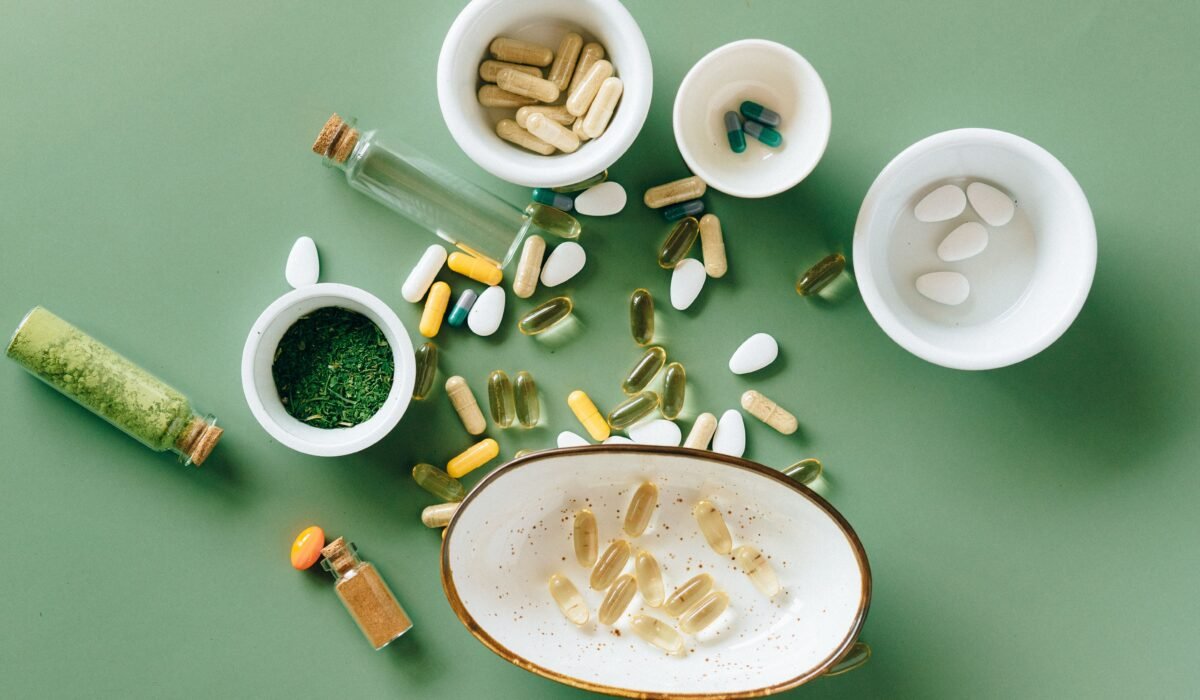
Navigating the vast world of wellness products can be overwhelming, especially when you’re looking for solutions to specific health concerns. If you’re wondering which options truly stand out, this guide will help you understand the best thyroid support supplements available today. We’ll cut through the noise to provide a personalized, clinically informed guide to help you make confident choices for your thyroid health.
Can Thyroid Support Supplements Really Help Your Health?
You might be asking, “Can thyroid supplements really help?” The short answer is yes, for many people, especially when underlying nutritional deficiencies are present. Thyroid support supplements are designed to provide your body with the essential nutrients it needs to produce thyroid hormones and ensure optimal thyroid function.
However, it’s crucial to understand that they are not a cure-all or a replacement for prescribed medication. In my experience researching health and wellness, I’ve seen that the effectiveness of natural thyroid support hinges on identifying specific deficiencies and choosing ingredients that truly support the complex processes of the thyroid gland.
The global thyroid care supplements market is booming, estimated at USD 2 billion in 2024 and projected to reach USD 4.8 billion by 2034. This growth underscores a widespread need and interest in supporting thyroid health. Many individuals find that targeted supplementation can improve symptoms and support overall well-being when used judiciously.
What Are the Best Vitamins and Minerals for Thyroid Support?
When we talk about the best thyroid support supplements, we’re primarily looking at specific thyroid health ingredients that play vital roles in hormone synthesis and conversion. These are the building blocks your thyroid needs to function correctly.
Leading experts like Dr. Jolene Brighten and Dr. Edward Group advocate for a range of essential nutrients. Here’s a rundown of the key vitamins and minerals you should look for in a high-quality thyroid support complex:
- Iodine: This is the fundamental building block for thyroid hormones T3 and T4. Without adequate iodine, your thyroid simply cannot produce enough hormones. Globally, an estimated 2 billion people suffer from iodine deficiency, a leading cause of thyroid dysfunction.
- Selenium: Crucial for converting T4 (the inactive hormone) to T3 (the active hormone), selenium thyroid benefits also extend to protecting the thyroid gland from oxidative stress. Dr. Edward Group specifically highlights nascent iodine and selenium as crucial.
- Zinc: Essential for thyroid hormone production and metabolism, zinc thyroid function is vital. A deficiency can impact both TSH (Thyroid-Stimulating Hormone) production and the conversion of T4 to T3.
- Vitamin D: Many people with thyroid conditions, especially autoimmune thyroiditis like Hashimoto’s, have low vitamin D levels. Optimizing vitamin D can help modulate the immune system.
- B Vitamins (especially B12): B vitamins are important for overall energy production and cellular function. Vitamin B12 deficiency is common in people with hypothyroidism, particularly those with autoimmune conditions.
- L-Tyrosine: An amino acid that, along with iodine, forms the basis of thyroid hormones. It’s a precursor to T3 and T4.
- Magnesium: Involved in over 300 enzymatic reactions in the body, magnesium can impact thyroid function indirectly by supporting overall cellular health and reducing inflammation. You can learn more about general magnesium benefits in our guide to Best Magnesium Supplements.
- Myo-Inositol: This compound has shown promise in improving TSH levels and reducing thyroid antibody levels, particularly in subclinical hypothyroidism and Hashimoto’s.
These thyroid vitamins list the core components of effective natural remedies for thyroid support. Look for supplements that combine several of these ingredients for comprehensive support.
How to Choose the Best Thyroid Support Supplements for Your Needs
Choosing the best thyroid support supplements isn’t a one-size-fits-all endeavor; it requires a personalized approach. Your specific thyroid condition, current lab results, and overall health picture should guide your decision. As a health and wellness content researcher, I always emphasize that individual needs vary greatly.
Here’s a framework to help you select wisely:
- Understand Your Diagnosis: Are you dealing with general hypothyroidism, subclinical hypothyroidism, or an autoimmune condition like Hashimoto’s thyroiditis? Supplements for Hashimoto’s, for example, might focus more on immune modulation (like selenium and vitamin D) and be cautious with iodine.
- Review Your Thyroid Lab Results: Look at your TSH, free T3, free T4, and thyroid antibody levels (TPOAb, TgAb). High TSH indicates an underactive thyroid, while elevated antibodies point to autoimmunity. Your hormone balance is key, and lab results provide critical insight. These lab results are your roadmap for identifying specific deficiencies.
- Identify Specific Nutrient Deficiencies: Work with your healthcare provider to test for deficiencies in iodine, selenium, zinc, and vitamin D. Supplementation should ideally target these confirmed gaps.
- Consider Existing Medications: If you’re on thyroid medication like levothyroxine, certain supplements can interfere with absorption or effectiveness. Always discuss new supplements with your doctor.
- Look for a Comprehensive Formula: Many of the best supplements for hypothyroidism are “thyroid support complex” formulas that contain a synergistic blend of the key ingredients mentioned above. This can be more convenient and effective than taking individual supplements.
The goal is to find a supplement that complements your body’s needs without over-supplementing or causing adverse interactions. This informed approach is what truly makes a difference.
Understanding Potential Side Effects and Medication Interactions
While natural thyroid support can be beneficial, it’s vital to be aware of potential side effects and, more importantly, medication interactions. This is where the “clinically informed” aspect of choosing the best thyroid support supplements really comes into play.
Many common thyroid medications, such as levothyroxine (Synthroid, Levoxyl), are highly sensitive to interference. Here’s what you need to know about thyroid medication interactions:
- Calcium and Iron: These minerals can bind to levothyroxine in the digestive tract, preventing its absorption. It’s generally recommended to take calcium and iron supplements at least 4 hours apart from your thyroid medication.
- Selenium: While beneficial, extremely high doses of selenium can be toxic. Stick to recommended daily allowances, typically around 200 mcg for thyroid support.
- Iodine: As we’ll discuss, excessive iodine intake can worsen autoimmune thyroid conditions or even induce hyperthyroidism in susceptible individuals.
- Biotin: High doses of biotin (often found in hair, skin, and nail supplements) can interfere with thyroid lab tests, leading to falsely high or low results. Inform your doctor if you’re taking biotin before any thyroid testing.
Side effects from thyroid supplements themselves are usually mild and may include digestive upset, especially when starting a new regimen. However, if you experience significant changes in energy, heart rate, or mood, discontinue use and consult your healthcare provider immediately. Always prioritize safety and communication with your medical team.
Is Iodine Necessary? Navigating Safe Dosages and Over-Supplementation
The question, “Should I take iodine for thyroid?” is one of the most frequently asked, and it’s a nuanced topic. Iodine is absolutely necessary for thyroid hormone production; without it, your thyroid cannot function. Globally, an estimated 2 billion people suffer from iodine deficiency, making it a leading cause of thyroid dysfunction. For those with a confirmed iodine deficiency, supplementation can be transformative.
However, when it comes to iodine for thyroid health, more is definitely not better. Over-supplementation can be detrimental, especially for individuals with autoimmune thyroid conditions like Hashimoto’s. Excessive iodine intake can:
- Exacerbate autoimmune thyroiditis, potentially increasing thyroid antibodies.
- Induce hyperthyroidism in individuals with pre-existing thyroid nodules or latent Graves’ disease.
- Lead to iodine-induced hypothyroidism in some sensitive individuals.
The recommended daily allowance (RDA) for iodine for most adults is 150 micrograms (mcg). Many thyroid support supplements contain significantly higher doses. Always check the label and, more importantly, consult with your healthcare provider to assess your iodine status through testing before starting any iodine-containing supplement. They can help you determine a safe and effective dosage for your individual needs. For more authoritative information on iodine, you can refer to resources like the National Institutes of Health (NIH) fact sheet on Iodine.
Beyond Supplements: Lifestyle Factors for Optimal Thyroid Health
While the best thyroid support supplements can play a significant role, they are just one piece of the puzzle for optimal thyroid health. As a health and wellness researcher, I’ve observed that a holistic approach, integrating lifestyle factors, yields the most profound and sustainable results. Your daily habits significantly impact how well your thyroid functions.
Consider these lifestyle pillars for supporting your thyroid:
- Nutrient-Rich Diet: Focus on whole, unprocessed foods. Include plenty of fruits, vegetables, lean proteins, and healthy fats. Foods rich in selenium (Brazil nuts, fish), zinc (oysters, beef), and B vitamins (eggs, legumes) are excellent natural sources of thyroid health ingredients.
- Stress Management: Chronic stress can negatively impact your adrenal glands, which in turn can affect thyroid function. Incorporate stress-reducing practices like meditation, yoga, deep breathing, or spending time in nature.
- Adequate Sleep: Aim for 7-9 hours of quality sleep per night. Poor sleep can disrupt hormone balance, including thyroid hormones. Our article on Natural Sleep Support Reviews can offer helpful insights.
- Regular Exercise: Moderate exercise supports metabolism, reduces inflammation, and can improve energy levels, all of which benefit thyroid health. Listen to your body and find activities you enjoy.
- Avoid Environmental Toxins: Minimize exposure to endocrine-disrupting chemicals found in plastics, pesticides, and certain personal care products. These can interfere with thyroid hormone action.
By addressing these lifestyle areas, you create a supportive environment for your thyroid, allowing any natural thyroid support you choose to work even more effectively.
The Importance of Third-Party Testing and Brand Transparency
When you’re investing in the best thyroid support supplements, you want to be sure you’re getting exactly what the label promises. This is why third-party tested supplements and brand transparency are non-negotiable. The supplement industry is not as tightly regulated as pharmaceuticals, making independent verification crucial.
Third-party testing means an independent laboratory has verified the product’s contents. They check for:
- Purity: Ensuring the supplement is free from contaminants like heavy metals, pesticides, and harmful microbes.
- Potency: Confirming that the ingredients are present in the amounts listed on the label. This is vital for accurate dosing of thyroid health ingredients.
- Identity: Verifying that the ingredients are indeed what they claim to be.
Look for certifications from reputable organizations such as USP (United States Pharmacopeia), NSF International, or ConsumerLab.com. Brands that openly display these seals or provide Certificates of Analysis (CoAs) on their websites demonstrate a commitment to quality and consumer trust. My research consistently shows that brands prioritizing transparency are often those delivering the most reliable and effective natural thyroid support.
When to Consult a Healthcare Professional About Thyroid Supplements
Even with comprehensive guides like this, the decision to take any thyroid support complex should always involve your healthcare professional. This is especially true if you have a diagnosed thyroid condition or are taking prescription medication. Your doctor, endocrinologist, or a registered dietitian specializing in thyroid health can provide personalized guidance.
You should consult a healthcare professional:
- Before starting any new supplement: Especially if you have a diagnosed thyroid condition, are pregnant or breastfeeding, or have other medical conditions.
- If you are taking thyroid medication: To discuss potential thyroid medication interactions and appropriate timing.
- If you experience new or worsening symptoms: Even if you’re taking supplements, persistent symptoms warrant medical evaluation.
- To interpret your thyroid lab results: They can help you understand your TSH, T3, T4, and antibody levels and how they relate to your supplement choices.
A healthcare provider can help you determine the most appropriate and safe approach to supporting your thyroid health, ensuring that any chosen supplements work synergistically with your overall treatment plan.
Frequently Asked Questions
What is the best supplement to take for thyroid support?
The “best” supplement for thyroid support depends on your individual needs and any specific deficiencies you may have. Generally, a comprehensive thyroid support complex containing key nutrients like iodine (if deficient), selenium, zinc, vitamin D, and B vitamins is often recommended. Always consult your healthcare provider to determine the most suitable option for you based on your lab results and health status.
What natural supplements help with thyroid?
Natural supplements that help with thyroid function typically include a blend of vitamins and minerals essential for hormone production and conversion. These often feature selenium for T4 to T3 conversion, zinc for hormone production, iodine (in appropriate doses for deficiency), and adaptogenic herbs like ashwagandha or Rhodiola for stress support, though herbal efficacy varies and requires professional guidance.
What are the side effects of thyroid supplements?
Side effects from thyroid supplements are generally mild, such as digestive upset, but can become more serious with over-supplementation, particularly with iodine. Excessive iodine can worsen autoimmune thyroid conditions or induce hyperthyroidism in susceptible individuals. It’s crucial to adhere to recommended dosages and consult a healthcare professional to avoid adverse effects and medication interactions.
Should I take iodine for thyroid?
You should only take iodine for thyroid support if you have a confirmed iodine deficiency, ideally determined through testing with your healthcare provider. While iodine is essential for thyroid hormone production, excessive intake can be harmful, especially for individuals with autoimmune thyroid conditions like Hashimoto’s. Always discuss iodine supplementation with a medical professional to ensure safe and appropriate dosing.
Choosing the best thyroid support supplements requires careful consideration of your individual health, existing conditions, and professional medical advice. By focusing on quality ingredients, understanding potential interactions, and prioritizing brand transparency, you can make informed decisions to support your thyroid health. Remember, supplements are a tool to complement a healthy lifestyle and should always be discussed with your healthcare provider.