
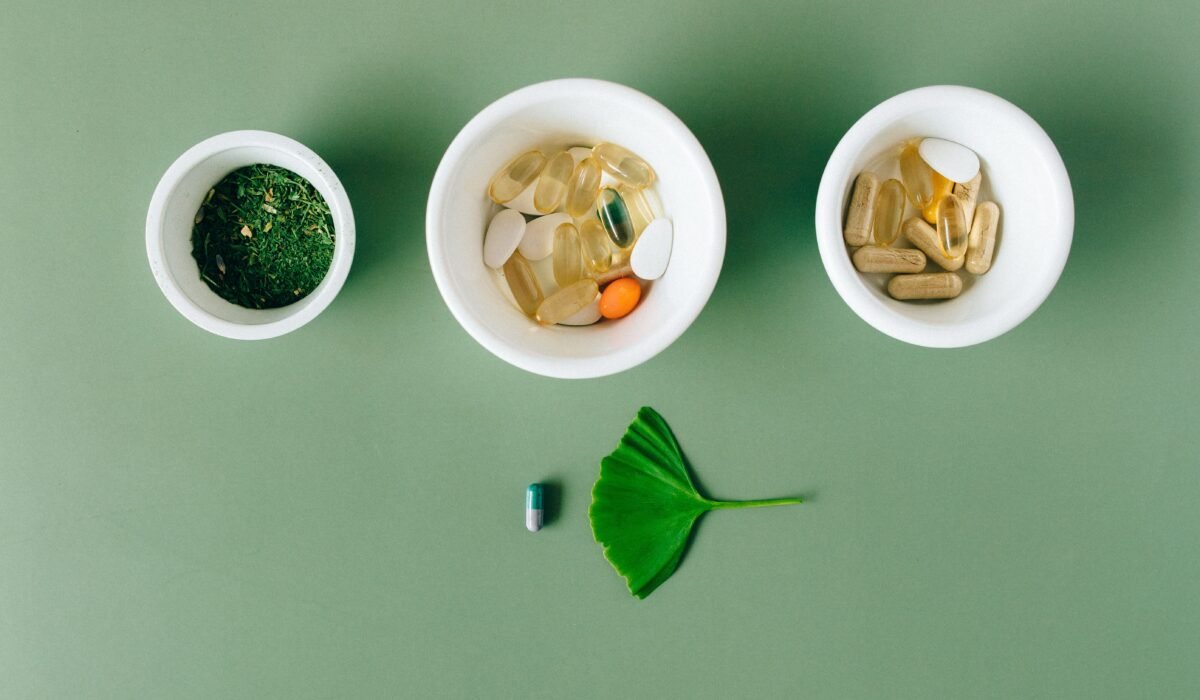
When you’re searching for the **Best Hearing Support Supplements**, you’re likely looking for effective ways to maintain or improve your auditory health, and you deserve clear, evidence-based information. This guide will cut through the noise, offering a professional perspective on which supplements truly offer support for your hearing and what to look for in a quality product.
What are the Best Hearing Support Supplements?
Identifying the **Best Hearing Support Supplements** isn’t about finding a miracle cure; it’s about understanding which ingredients have scientific backing for maintaining auditory health and protecting against common issues like age-related decline or noise-induced damage. While no supplement can reverse existing severe hearing loss, certain vitamins, minerals, and herbal extracts can play a crucial role in prevention and support. My research in health and wellness content emphasizes the importance of ingredients that support healthy blood flow to the inner ear and provide antioxidant protection.
The reality is that the “best” supplement often depends on your individual needs and the specific type of hearing challenge you might be looking to address. For instance, someone concerned about noise-induced hearing loss might prioritize magnesium, while another focusing on overall ear health might look for a comprehensive formula including omega-3s and antioxidants. This guide will help you navigate these choices, focusing on evidence-based options.
Can Vitamins and Supplements Really Help Hearing Loss?
This is the burning question on many people’s minds: **do hearing supplements really work**? The short answer is, it’s complicated. While supplements cannot cure or reverse significant, pre-existing hearing loss, a growing body of research suggests that certain nutrients can significantly support auditory health and potentially mitigate the progression of some types of hearing decline. More than 50 million Americans experience some degree of hearing loss, highlighting the widespread need for effective preventative strategies.
Dr. Sharon G. Curhan, MD, Director of The Conservation of Hearing Study (CHEARS), notes that diet plays a crucial role in preventing age-related hearing loss, emphasizing that diets supporting healthy blood flow directly benefit the inner ear. This means that supplementing with specific nutrients can complement a healthy lifestyle, providing the building blocks and protective agents your ears need. However, it’s vital to maintain realistic expectations; supplements are supportive, not curative.
Key Ingredients for Auditory Health: What the Science Says
When evaluating **hearing supplement ingredients**, it’s crucial to look beyond marketing hype and focus on what scientific research supports. Several key nutrients have demonstrated potential benefits for ear health, addressing various aspects from antioxidant protection to nerve function. Understanding these ingredients will empower you to choose the **Best Hearing Support Supplements** for your needs.
Omega-3 Fatty Acids for Hearing
Omega-3s, particularly EPA and DHA, are well-known for their anti-inflammatory properties and benefits for cardiovascular health, which directly impacts the delicate blood vessels supplying the inner ear. A 2024 comprehensive review highlighted omega-3 fatty acids’ role in maintaining auditory health across all life stages, suggesting that adequate intake helps protect hearing from development through old age. This makes **Omega-3 for hearing** a cornerstone of any comprehensive ear health strategy.
Magnesium for Noise-Induced Hearing Loss
Research consistently points to magnesium’s protective effects against noise-induced hearing damage. Stanford University research in 2024 confirmed that **magnesium supplementation protects against noise-induced hearing damage**. Additionally, Israeli military studies showed that soldiers taking magnesium before training experienced less hearing loss. This mineral appears to help protect the hair cells in the cochlea from oxidative stress caused by loud noises, making it a key ingredient for those exposed to high noise levels.
Zinc for Sudden Sensorineural Hearing Loss and Tinnitus
Zinc is an essential mineral with antioxidant and anti-inflammatory properties vital for immune function and cell growth, including those in the inner ear. Research indicates that **zinc supplementation can help recover and improve hearing for those experiencing sudden sensorineural hearing loss (SSNHL)**. Furthermore, one study found that a daily regimen of zinc intake for two months significantly reduced tinnitus symptoms in 82% of subjects. While the American Academy of Otolaryngology-Head and Neck Surgery advises against zinc for persistent tinnitus due to lack of proven efficacy in some trials, its role in SSNHL and general ear health is promising.
Quercetin for Age-Related Hearing Loss Prevention
Quercetin, a powerful plant-based flavonoid, offers significant antioxidant and anti-inflammatory benefits. A groundbreaking March 2026 study highlighted that **the plant-based molecule quercetin mitigated age-related hearing loss**, averted cochlear deterioration, and reduced inflammation in middle-aged mice. While human trials are still needed, this research suggests **quercetin hearing benefits** could be substantial for **age-related hearing loss prevention**.
B Vitamins for Nerve Health and Tinnitus
B vitamins, especially B12 and folate, are crucial for neurological health, including the auditory nerve. Deficiencies in B12 have been linked to hearing loss and tinnitus in some studies. These **vitamins for ear health** support the myelin sheath that insulates nerve fibers, ensuring efficient transmission of auditory signals. Some multi-nutrient formulas, like Audifort mentioned in independent analyses, include B12 and folate to support neuropathic dimensions of hearing challenges, though clinical studies on specific products for tinnitus often lack.
Ginkgo Biloba for Tinnitus and Circulation
Ginkgo Biloba is often included in **supplements for tinnitus relief** due to its purported ability to improve circulation, especially to the brain and inner ear. While some users report subjective improvements, the American Academy of Otolaryngology-Head and Neck Surgery explicitly states that clinicians should *not* recommend Ginkgo biloba for treating persistent, bothersome tinnitus, citing a lack of proven efficacy despite multiple randomized controlled trials. This highlights the importance of distinguishing anecdotal evidence from robust scientific proof.
Which Supplements Do Audiologists Recommend for Hearing?
When it comes to **audiologist recommended supplements**, the consensus among hearing health professionals is clear: while supplements can support a healthy lifestyle, they are not a substitute for professional medical advice or treatment for hearing loss. Audiologists and hearing health professionals consistently advise that no supplement can guarantee perfect hearing, and professional consultation before starting any regimen is essential. This is a critical point that I, as a health and wellness researcher, always emphasize.
Dr. Elliott Kozin, M.D., an otologist at Massachusetts Eye and Ear and Assistant Professor of Otolaryngology at Harvard Medical School, cautions that “as the nutritional supplement market is underregulated, patients should speak directly with their physicians before taking dietary supplements aimed to supposedly improve hearing, as they may cause potential unwanted side effects.” This is vital advice given the marketing claims often associated with **best vitamins for hearing loss** or **supplements for tinnitus relief**.
Instead of recommending specific commercial products, audiologists typically emphasize a holistic approach including:
* Regular hearing check-ups.
* Protection against loud noise (e.g., earplugs).
* A balanced, nutrient-rich diet.
* Managing underlying health conditions.
* Realistic expectations regarding supplement efficacy.
While they acknowledge the potential benefits of certain nutrients like magnesium for noise protection or omega-3s for overall health, they will always prioritize evidence-based medical interventions for actual hearing loss.
Evaluating Hearing Supplements: What to Look For in a Quality Product
Navigating the supplement market can be overwhelming, especially when searching for the **Best Hearing Support Supplements**. Given the underregulated nature of this industry, critical evaluation is paramount. As a content researcher specializing in dietary supplements, I always recommend a rigorous approach to product selection. Here’s what you should look for to ensure you’re choosing a high-quality product:
- Transparent Ingredient List and Dosages: A reputable supplement will clearly list all ingredients and their exact dosages. Avoid proprietary blends that hide specific amounts, as this makes it impossible to assess efficacy or potential interactions. Look for forms of ingredients that are bioavailable, meaning your body can easily absorb and utilize them.
- Third-Party Testing and Certifications: This is arguably the most crucial factor. Since supplements aren’t FDA-approved before hitting the market, **third-party tested supplements** provide an independent verification of purity, potency, and absence of contaminants. Look for certifications from organizations like NSF International, USP (United States Pharmacopeia), or ConsumerLab. These seals indicate that what’s on the label is actually in the bottle.
- Reputable Manufacturer: Research the brand. Do they have a history of quality and transparency? Are they responsive to customer inquiries? Avoid brands with a history of exaggerated claims or poor manufacturing practices.
- Realistic Claims: Be wary of products that promise a “cure” for hearing loss or “instant results.” Scientific evidence shows that supplements offer support and protection, not a magical fix. Honest brands will set realistic expectations.
- Absence of Unnecessary Fillers and Artificial Additives: Opt for supplements with minimal fillers, artificial colors, flavors, or preservatives. These can sometimes cause sensitivities or simply dilute the active ingredients.
- Customer Feedback and Reviews: While not a substitute for scientific evidence, legitimate customer reviews can offer insights into product experience, taste, and potential side effects for some users. However, approach these with a critical eye, as some can be misleading.
When you’re evaluating **hearing support formula reviews**, apply these same criteria. Remember that a higher price doesn’t always guarantee higher quality, but extremely cheap options might cut corners on sourcing or testing.
Potential Risks: Drug Interactions and Contraindications
While many hearing support supplements are generally safe for most healthy adults, it’s absolutely critical to be aware of potential risks, especially **drug interactions and contraindications**. As Dr. Elliott Kozin advises, always speak with your physician before starting any new dietary supplement regimen. This is particularly important if you:
* Are pregnant or breastfeeding.
* Have a pre-existing medical condition (e.g., diabetes, heart disease, bleeding disorders).
* Are taking any prescription medications, including blood thinners, antidepressants, or medications for blood pressure.
* Are undergoing surgery soon.
For example, Ginkgo Biloba can interact with blood-thinning medications like warfarin or aspirin, increasing the risk of bleeding. High doses of zinc can interfere with copper absorption and may cause nausea or stomach upset. Even seemingly benign vitamins can have adverse effects in very high doses or interact with certain conditions. For instance, individuals with certain types of anemia might need to be cautious with iron-containing supplements.
It’s also important to note that the efficacy and safety of supplements can vary widely. What works for one person might not work for another, and individual reactions can differ. Prioritizing safety through informed decisions and medical consultation is paramount in your search for the **Best Hearing Support Supplements**.
Beyond Supplements: A Holistic Approach to Hearing Health
While the **Best Hearing Support Supplements** can play a valuable role in maintaining auditory health, they are just one piece of a larger puzzle. A truly effective strategy for protecting and preserving your hearing involves a holistic approach that encompasses lifestyle, diet, and proactive care. My expertise in health and wellness consistently shows that integrated strategies yield the best long-term results.
Consider these complementary practices:
- Noise Protection: This is arguably the most crucial step. Limit exposure to loud noises and always use hearing protection (earplugs, earmuffs) in noisy environments, whether at work, concerts, or when using power tools. Approximately 1 billion young adults worldwide are at risk of permanent, avoidable hearing loss due to unsafe listening practices.
- Healthy Diet: A diet rich in antioxidants, vitamins, and minerals supports overall health, including the delicate structures of your inner ear. Focus on fruits, vegetables, lean proteins, and healthy fats like those found in avocados and nuts. Dr. Curhan’s research underscores the link between diet and age-related hearing loss prevention.
- Regular Exercise: Good cardiovascular health ensures adequate blood flow to all parts of the body, including the ears. Regular physical activity can help maintain this vital circulation.
- Manage Chronic Conditions: Conditions like diabetes, high blood pressure, and heart disease can impact hearing. Effectively managing these conditions with your doctor can protect your auditory health.
- Avoid Smoking: Smoking can impair blood flow and damage the delicate hair cells in the inner ear.
- Regular Hearing Check-ups: Don’t wait for noticeable problems. Routine check-ups with an audiologist can detect issues early and allow for timely intervention.
Combining targeted supplements with these holistic practices creates a powerful defense against hearing decline, offering a comprehensive strategy for lifelong auditory well-being.
Frequently Asked Questions
What is the best vitamin for hearing loss?
While no single vitamin can cure hearing loss, **best vitamins for hearing loss** often include B vitamins (especially B12 and folate), which support nerve function and overall ear health. Magnesium is also highly regarded for its protective effects against noise-induced damage, while Omega-3 fatty acids contribute to overall auditory health and inflammation reduction. A combination of these nutrients, rather than one specific vitamin, is generally more beneficial.
Are there any supplements that actually help hearing?
Yes, certain supplements have scientific backing for supporting hearing health, though they cannot reverse significant hearing loss. Ingredients like Omega-3 fatty acids, magnesium, zinc, and antioxidants such as quercetin have shown promise in protecting against age-related decline or noise-induced damage. The key is to look for **Best Hearing Support Supplements** with transparent, evidence-based ingredients and realistic claims.
What supplement do audiologists recommend for hearing?
Audiologists generally do not recommend specific commercial supplements for hearing loss, as the market is largely unregulated and efficacy for reversing hearing loss is unproven. Instead, they emphasize a holistic approach including hearing protection, a healthy diet, and regular check-ups. They may acknowledge the role of certain nutrients like magnesium for noise protection or omega-3s for general health, but always advise consulting a physician before starting any supplement.
What is the best supplement for inner ear health?
For inner ear health, the **best hearing support supplements** often contain a combination of antioxidants and nutrients that support nerve function and blood flow. Key ingredients include Omega-3 fatty acids for anti-inflammatory support, magnesium for cellular protection against noise, and B vitamins (especially B12) for nerve health. Additionally, antioxidants like quercetin can help mitigate age-related cellular damage within the cochlea.
The journey to finding the **Best Hearing Support Supplements** is about informed choices and realistic expectations. By focusing on scientifically-backed ingredients, transparent product quality, and a holistic approach to ear health, you can make empowered decisions. Remember, supplements are a supportive tool, not a standalone solution, and always consult with your healthcare provider to ensure they are appropriate for your individual needs.