
Are you searching for ways to support your vitality and well-being as you age? Discovering the Best Anti-Aging Supplements can feel like navigating a complex maze, but understanding the science behind them is key to making informed choices. This comprehensive guide, informed by my expertise in health and wellness research, will cut through the noise, offering an evidence-based look at supplements that can genuinely contribute to optimizing your healthspan and longevity.
What Are the Best Anti-Aging Supplements for Longevity?
The quest for sustained vitality and a longer, healthier life has driven significant interest in longevity supplements. When people ask about the best anti-aging supplements, they’re often looking for compounds that can address the root causes of cellular aging, rather than just superficial signs. My research indicates a growing market, valued at approximately USD 4.52 billion in 2024 and projected to reach USD 9.79 billion by 2034, reflecting this global interest.
The short answer is that there isn’t a single “magic pill,” but rather a combination of foundational nutrients and targeted compounds that show promise in supporting cellular health and extending healthspan. These supplements aim to optimize your body’s natural processes, helping you age more gracefully and robustly. It’s about supporting your body’s ability to repair itself and maintain optimal function.
Understanding Healthspan vs. Lifespan
Before diving into specific recommendations, it’s crucial to distinguish between lifespan and healthspan. Lifespan refers to the total number of years you live, while healthspan refers to the number of years you live in good health, free from chronic disease and disability. The goal of using anti-aging supplements should primarily be to enhance your healthspan optimization, ensuring that your later years are as vibrant and active as possible.
Many compounds touted as anti-aging agents are actually focused on improving cellular resilience, reducing inflammation, and protecting against oxidative stress, all of which contribute to a higher quality of life as we age. This distinction is vital because simply extending life without improving its quality misses the true objective of anti-aging interventions.
Evidence-Based Anti-Aging Supplements: A Critical Review
When evaluating the best anti-aging supplements, a critical eye towards scientific evidence is paramount. While the market is flooded with products, only a select few are backed by credible research, particularly human clinical trials. As a health and wellness content researcher, I always prioritize data from reputable sources like the NIH and Harvard studies.
Foundational Anti-Aging Vitamins Backed by Science
Some of the most impactful anti-aging supplements are those that address common nutritional deficiencies or support fundamental biological processes. These are often the most effective anti-aging supplements that work by bolstering your body’s natural defenses.
- Vitamin D3: Often overlooked, vitamin D is crucial for bone health, immune function, and cellular aging. A Harvard clinical trial published in May 2025 demonstrated that daily supplementation with 2,000 IU of vitamin D3 significantly reduced telomere shortening over four years, equivalent to nearly three fewer years of aging. This makes it a powerful contender for vitamin D anti-aging benefits.
- Omega-3 Fatty Acids (EPA & DHA): These essential fats are known for their anti-inflammatory properties and benefits for heart and brain health. Research consistently supports omega-3 for longevity by reducing systemic inflammation, a key driver of age-related diseases. They are crucial for maintaining cellular membrane integrity and function.
- Magnesium: Involved in over 300 enzymatic reactions, magnesium plays a role in energy production, muscle function, and nerve transmission. Adequate magnesium levels are linked to better sleep, reduced stress, and overall cellular health, making it an important component of any anti-aging regimen.
Emerging Compounds and Their Evidence Levels
Beyond foundational vitamins, several compounds are gaining traction for their potential roles in combating cellular aging. It’s important to note that the strength of evidence varies significantly for these.
- NAD+ Precursors (NMN & NR): Nicotinamide Mononucleotide (NMN) and Nicotinamide Riboside (NR) are popular NAD+ precursors that aim to boost levels of Nicotinamide Adenine Dinucleotide (NAD+), a coenzyme critical for energy metabolism and DNA repair. Levels naturally decline with age. Dr. Terry Shintani, a physician trained at Harvard, recommends NMN and similar compounds for boosting NAD+ levels, which are linked to combating fatigue and brain fog. While animal studies are promising, human trials are still ongoing, but early results are encouraging.
- Collagen Peptides: As the largest revenue share holder in the U.S. anti-aging supplements market at 32.0% in 2024, collagen is primarily sought for its benefits to skin elasticity, fine line reduction, and joint health. A 2023 systematic review and meta-analysis in *Nutrients* and a 2018 RCT showed improvements in skin hydration and elasticity. However, Dr. Dawn Davis, a Mayo Clinic dermatologist, notes that “At this time, we do not have any strong evidence that any over-the-counter oral or a topical collagen supplement is good for anti-aging” in terms of reversing deep aging processes, emphasizing lifestyle over unproven supplements. Nevertheless, many find value in collagen benefits for skin and joint support.
- Curcumin: The active compound in turmeric, curcumin is a potent anti-inflammatory supplement and antioxidant. Research suggests it activates proteins that delay cellular senescence and promote longevity, potentially combating cellular damage. Products like Thorne Curcumin Phytosome are available.
- Resveratrol: Found in red wine and grapes, resveratrol is an antioxidant that has been studied for its potential to activate sirtuins, proteins linked to longevity. Dr. Brent Bauer of Mayo Clinic acknowledges its antioxidant properties but cautions that for cognitive function or preventing decline, the “honest answer” is “Not much” strong evidence in humans yet.
- Senolytics (Fisetin, Quercetin): These compounds, including Fisetin (found in strawberries) and Quercetin, are being researched for their ability to selectively induce senescent cell death—cells that contribute to inflammation and tissue damage as we age. This makes them intriguing as potential senolytics for anti-aging.
Targeting Specific Needs: Best Anti-Aging Supplements for Skin, Men & Women
The anti-aging journey isn’t one-size-fits-all. Different individuals have unique needs and concerns, which influence their search for the best anti-aging supplements. The market reflects this, with hair, skin, and nail care being the leading application, holding a 34.88% share in 2025.
Best Anti-Aging Supplements for Skin
When it comes to skin health, the focus shifts to ingredients that support collagen production, hydration, and protection against environmental damage. Many seek the best anti-aging supplements for skin to maintain a youthful complexion.
- Collagen Peptides: As mentioned, these are popular for improving skin hydration and elasticity, contributing to a smoother appearance. They are widely regarded as one of the most effective supplements for skin “bounce” and reducing the appearance of wrinkles.
- Vitamin C: A powerful antioxidant, Vitamin C is essential for collagen synthesis and protecting skin from oxidative stress. It’s a foundational nutrient for skin health and plays a critical role in maintaining skin’s youthful glow.
- Hyaluronic Acid: While often applied topically, oral hyaluronic acid supplements are also available and aim to support skin moisture from within, contributing to plumpness and reducing fine lines.
- Astaxanthin: This potent carotenoid antioxidant, found in algae, offers significant protection against UV damage and can improve skin elasticity and moisture.
Anti-Aging Supplements for Men and Women
While many anti-aging supplements offer universal benefits, some considerations are more relevant to specific genders. The search for the best anti-aging supplements for women often includes concerns around hormonal shifts and bone density, while men might focus on vitality and prostate health.
For women, supplements like collagen and vitamin D are crucial, especially post-menopause, to support bone density and skin elasticity. Additionally, certain adaptogens might help manage hormonal fluctuations. For men, supporting overall vitality might include zinc for testosterone support or specific compounds for prostate health. For more targeted male health support, you might consider exploring Best Men’s Health Supplements: Personalized Guide.
Beyond Pills: Integrating Supplements into a Holistic Anti-Aging Lifestyle
In my experience, supplements are just one piece of the puzzle. The most effective approach to anti-aging and healthspan optimization involves a holistic strategy. Dr. Dawn Davis of the Mayo Clinic emphasizes lifestyle changes over unproven supplements, recommending actions like limiting alcohol, avoiding smoking, and wearing sunscreen as the best ways to support collagen and elastin.
To truly maximize the benefits of any anti-aging supplements, you must integrate them into a broader lifestyle that supports overall well-being. This comprehensive approach creates a synergistic effect, where each element reinforces the others for superior results.
Key Pillars of a Holistic Anti-Aging Strategy
- Nutrient-Dense Diet: Prioritize whole foods rich in antioxidants, healthy fats, and fiber. A diet full of fruits, vegetables, lean proteins, and whole grains provides the essential building blocks and protective compounds your body needs.
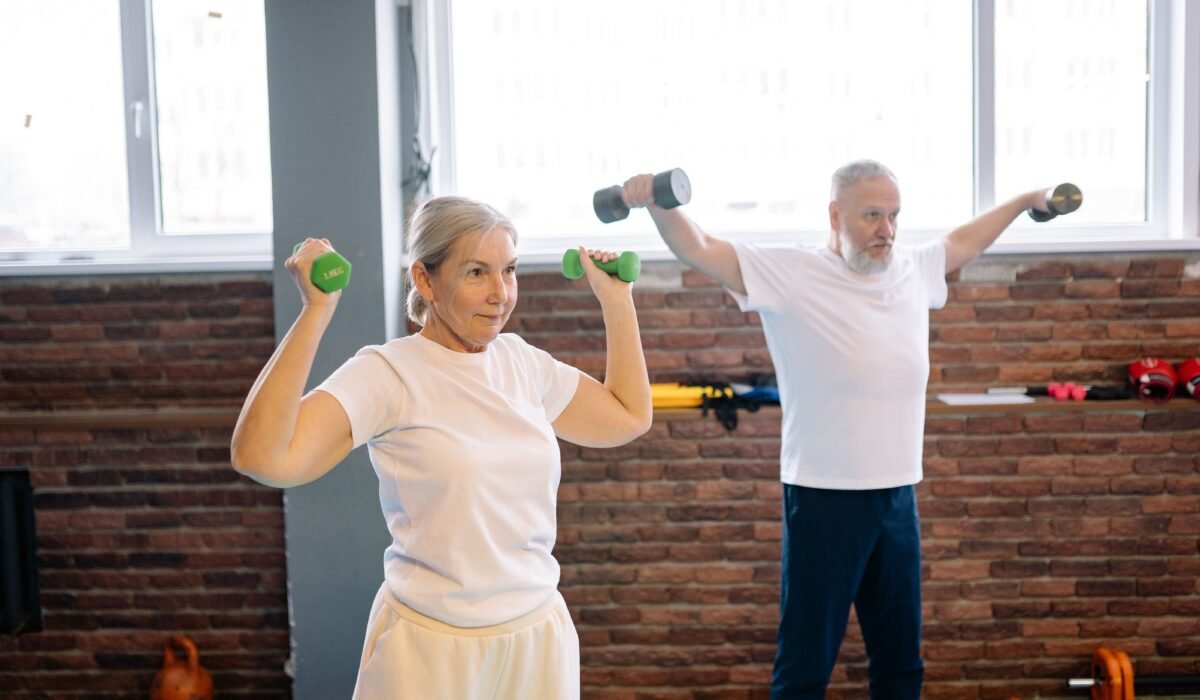
- Regular Physical Activity: Exercise helps maintain muscle mass, bone density, cardiovascular health, and cognitive function. It also reduces inflammation and improves cellular repair mechanisms.
- Quality Sleep: Adequate sleep is critical for cellular repair, hormone regulation, and cognitive function. Chronic sleep deprivation accelerates aging processes.
- Stress Management: Chronic stress can lead to increased inflammation and oxidative damage. Practices like meditation, yoga, or spending time in nature can mitigate these effects.
- Hydration: Drinking enough water is fundamental for every bodily function, including skin health, nutrient transport, and detoxification.
The best anti-aging supplements can certainly complement these efforts, but they cannot replace them. Think of supplements as amplifiers for an already healthy foundation, not as shortcuts to defy the aging process.
Personalizing Your Anti-Aging Regimen: Key Considerations & Expert Advice
Choosing the right anti-aging supplements requires a personalized approach. What works well for one person might not be suitable for another, depending on factors like age, genetics, lifestyle, and existing health conditions. This is where the concept of anti-aging supplements doctor recommended becomes crucial.
Factors to Consider Before Supplementing
- Individual Health Status: Your current health, any chronic conditions, and medications you’re taking can influence which supplements are safe and effective for you. For instance, Dr. Brent Bauer of Mayo Clinic recommends testing vitamin D levels rather than guessing dosage, as too much can lead to kidney stones.
- Age and Gender: Nutritional needs can change significantly with age and vary between genders. For example, older adults may need more vitamin B12 or calcium.
- Dietary Habits: Evaluate your typical diet. Supplements should fill nutritional gaps, not compensate for a consistently poor diet.
- Lifestyle: Factors like stress levels, sleep quality, and physical activity can impact your body’s needs and how effectively supplements work.
Consulting with a Healthcare Professional
Before starting any new supplement regimen, especially if you have underlying health conditions or are taking medication, it is always wise to consult with a doctor or a registered dietitian. They can provide tailored advice, help identify potential interactions, and recommend appropriate dosages based on your specific needs and health profile. This step ensures safety and maximizes the potential benefits of any supplements you choose.
Navigating the Anti-Aging Supplement Market: What to Look For
The anti-aging supplements market is vast and can be overwhelming. As a researcher specializing in consumer product reviews, I’ve seen firsthand the importance of due diligence when selecting products. The U.S. market alone was valued at USD 1.39 billion in 2024, indicating both significant demand and a crowded landscape.
Key Indicators of Quality and Efficacy
When you’re looking for the best anti-aging supplements, consider these factors:
- Third-Party Testing: Look for certifications from independent organizations like NSF International, USP, or ConsumerLab. These certifications ensure that the product contains what it claims, is free from contaminants, and meets quality standards.
- Transparency in Ingredients: Reputable brands will clearly list all ingredients, their dosages, and the source. Avoid proprietary blends where individual ingredient amounts are hidden.
- Evidence-Backed Ingredients: Prioritize supplements with ingredients that have undergone rigorous scientific study, particularly human clinical trials, to support their anti-aging claims. Be wary of exaggerated claims without scientific backing.
- Reputable Brands: Choose well-established brands known for their quality control and customer service. Life Extension, for example, is known for its focus on scientific research and expanding its NAD+ supplement portfolio with advanced NMN formulations.
- Formulation and Bioavailability: Some nutrients are better absorbed in specific forms. For instance, curcumin is often formulated with piperine or in liposomal form to enhance bioavailability.
Remember, the goal is to find effective and safe natural anti aging supplements that truly contribute to your health, not just empty promises.
The Future of Anti-Aging: Emerging Research and Promising Compounds
The field of anti-aging research is rapidly evolving, with scientists continually discovering new mechanisms of aging and potential interventions. NIH-funded researchers are actively working to understand aging at the molecular level, exploring ways to slow or even reverse aging processes, which could lead to better approaches to prevent or treat age-related disease and disability.
Next-Generation Longevity Supplements
While many of these are still in early research stages, they represent the cutting edge of longevity supplements:
- C15:0 (Pentadecanoic Acid): Highlighted as the first essential fatty acid discovered in over 90 years, C15:0 is recognized for its role in supporting cellular resilience and healthy aging. This compound is generating excitement for its foundational role in cellular health.
- Glycine and N-Acetylcysteine (NAC): These amino acids are precursors to glutathione, a powerful antioxidant that declines with age. Supplementing with them can help boost glutathione levels, potentially improving cellular defense against oxidative stress.
- Spermidine: Found in various foods, spermidine is being studied for its ability to induce autophagy, a cellular cleanup process that removes damaged components and is crucial for cellular rejuvenation.
- Rapamycin Analogs: While currently prescription drugs, compounds that mimic the effects of rapamycin (by inhibiting the mTOR pathway) are a hot area of research for their potential to extend lifespan and healthspan in animal models.
The landscape of evidence-based anti-aging is constantly shifting, and staying informed about new discoveries is key to making the best choices for your long-term health. Always look for robust scientific validation before incorporating novel compounds into your regimen.
Frequently Asked Questions
What are the best anti-aging supplements?
The best anti-aging supplements often include foundational nutrients like Vitamin D3 and Omega-3 fatty acids, which have strong evidence for supporting overall health and cellular longevity. Emerging compounds like NAD+ precursors (NMN/NR) and senolytics (Fisetin/Quercetin) also show promise, though more human clinical trials are needed to fully confirm their efficacy.
What is the number one anti-aging supplement?
There isn’t a single “number one” anti-aging supplement, as effectiveness often depends on individual needs and health status. However, Vitamin D3 is consistently ranked highly due to strong research supporting its role in telomere maintenance and overall cellular health, making it a powerful contender for universal anti-aging benefits.
What supplements are worth taking for anti-aging?
Supplements worth taking for anti-aging are those backed by scientific evidence that supports their role in healthspan optimization and reducing age-related decline. These include Omega-3s for inflammation, collagen for skin and joint health, and antioxidants like curcumin. Always consider your diet and consult with a healthcare professional to determine which are most beneficial for you.
What vitamins reverse aging?
No vitamin can truly “reverse” aging, as aging is a natural biological process. However, certain vitamins, like Vitamin D3, can significantly slow down markers of cellular aging, such as telomere shortening, as demonstrated by Harvard research. These vitamins support your body’s natural repair mechanisms and protect against age-related cellular damage, contributing to a healthier aging process rather than a reversal.
Choosing the Best Anti-Aging Supplements is about empowering yourself with knowledge and making choices that align with scientific evidence for true healthspan optimization. By focusing on foundational nutrients, critically evaluating emerging compounds, and integrating supplements into a holistic lifestyle, you can proactively support your vitality for years to come. Remember to consult with a healthcare professional to tailor a regimen that’s right for you and embark on your journey towards a healthier future.