
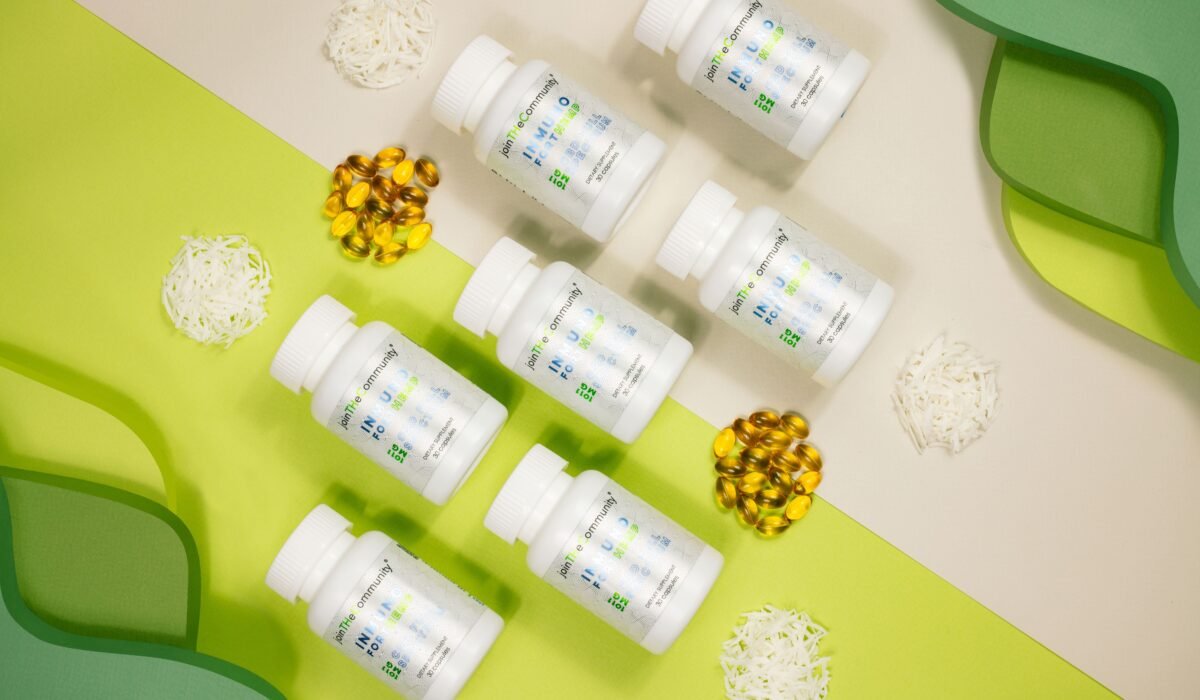
Navigating the vast world of wellness products can be overwhelming, especially when you’re looking for the most effective ways to bolster your body’s natural defenses. This comprehensive guide will help you identify the Best Immune Support Supplements available today, ensuring you make informed choices for your health.
What are the Best Immune Support Supplements?
In a world where 37% of immune health supplement consumers think about their immune health daily, according to a 2024 Kyowa Hakko survey, it’s clear that people are actively seeking ways to strengthen their defenses. The quest for the best immune support supplements often leads to a blend of commercial investigation and a deep dive into scientific backing.
The global immune health supplements market, valued at USD 35.4 billion in 2024, is rapidly expanding, projected to reach USD 76.2 billion by 2033. This growth underscores a significant consumer interest in immune system boosters and preventive care, especially since 51% of consumers are more concerned about their immune health post-pandemic.
When we talk about effective immune support, we’re looking at a range of ingredients that have demonstrated roles in bolstering immune function. These aren’t magic bullets, but rather components that can help optimize your body’s natural protective mechanisms.
Key Vitamins and Minerals for Immune Health
The vitamin & mineral segment held the largest market share of over 37% in 2024 within the immune health supplements market, and for good reason. Certain micronutrients are absolutely critical for a robust immune system. In my experience researching dietary supplements, these foundational elements are often the first line of defense.
Vitamin C for Immunity: A Classic Defender
- How it works: Vitamin C is a powerful antioxidant that protects immune cells from damage and enhances their function, including phagocytes and lymphocytes. It also supports the production of interferon, an antiviral compound.
- Benefits: Known for its role in reducing the severity and duration of the common cold, Vitamin C for immunity is a staple. It’s an essential nutrient that the body cannot produce on its own.
- Optimal Immune Dosage: While the Recommended Dietary Allowance (RDA) is 75-90 mg/day, many immune support formulas contain 500-1000 mg, which is generally considered safe and effective for short-term immune boosting.
Vitamin D Benefits: The Sunshine Vitamin’s Role
- How it works: Vitamin D acts more like a hormone than a vitamin, modulating both innate and adaptive immune responses. It plays a crucial role in activating T-cells, which identify and eliminate pathogens.
- Benefits: Vitamin D benefits extend beyond bone health; it’s vital for a well-functioning immune system. Given that Vitamin D insufficiency affects an estimated 1 billion individuals worldwide, supplementing can be critical. Deficient individuals face a 36% greater likelihood of acute respiratory infections, according to pooled clinical trial data.
- Optimal Immune Dosage: Many experts recommend 1,000-4,000 IU (25-100 mcg) daily for adults, especially during colder months or for those with limited sun exposure. Always consult your doctor to check your levels.
Zinc Supplements: The Essential Trace Mineral
- How it works: Zinc is involved in over 300 enzymatic reactions and is crucial for the development and function of immune cells. It helps regulate immune responses and can inhibit viral replication.
- Benefits: Zinc supplements are highly regarded for their ability to support immune function, particularly in reducing the duration and severity of colds when taken at the onset of symptoms.
- Optimal Immune Dosage: For immune support, common dosages range from 15-30 mg daily. High doses over extended periods can interfere with copper absorption, so moderation is key.
Selenium and Magnesium: Supporting Cast
- Selenium: An antioxidant that protects the body from oxidative stress and is important for immune cell function.
- Magnesium: Involved in over 300 biochemical reactions in the body, including those that regulate immune function. For more on this vital mineral, you might find our guide on Best Magnesium Supplements helpful.
Herbal and Specialty Immune Boosters: What Works?
Beyond the essential vitamins and minerals, a variety of herbal and specialty ingredients have gained popularity for their immune-modulating properties. These natural immune support options often work through different mechanisms, offering a broader approach to strengthening your defenses.
Elderberry Extract: A Popular Choice
- How it works: Elderberry extract (Sambucus nigra) is rich in anthocyanins, which are potent antioxidants. It’s believed to have antiviral properties that can inhibit viral replication and boost cytokine production, improving the immune response.
- Benefits: Many individuals turn to elderberry extract at the first sign of a cold or flu, reporting reduced symptom duration and severity. It’s one of the most widely used natural immune support ingredients.
- Considerations: Generally well-tolerated, but always follow dosage instructions.
Probiotic Immune Support: Gut-Brain-Immune Axis
- How it works: A significant portion of your immune system resides in your gut. Probiotic immune support introduces beneficial bacteria to the digestive tract, which can influence immune cell development and function, and help maintain a healthy gut barrier.
- Benefits: A balanced gut microbiome is crucial for overall immune health. Probiotics can help regulate inflammation and support the body’s natural defenses against pathogens. To learn more about optimizing your gut health, explore our guide on Best Probiotic Supplements.
- Considerations: Look for multi-strain probiotics with a high CFU count, and consider different strains for specific benefits.
Medicinal Mushrooms Immune Support: Ancient Wisdom, Modern Science
- How it works: Varieties like Reishi, Shiitake, Maitake, and Turkey Tail contain beta-glucans and other polysaccharides that are known to modulate the immune system. They can enhance the activity of natural killer cells and macrophages.
- Benefits: Medicinal mushrooms immune support has been used for centuries in traditional medicine and is now gaining scientific recognition for its immunomodulatory effects, helping the body adapt to stress and maintain balance.
- Considerations: Ensure you choose supplements derived from the fruiting body for higher concentrations of active compounds.
Other Noteworthy Immune Health Ingredients
- Echinacea: Often used for short-term immune stimulation during acute illness.
- Astragalus: An adaptogenic herb that supports general immune function and helps the body cope with stress.
- Quercetin: A flavonoid with antioxidant and anti-inflammatory properties that can support immune cell function.
Choosing the Best Immune Support Supplements for Your Needs
With so many options, selecting the best immune support supplements can feel like a challenge. The truth is, there’s no one-size-fits-all answer. Your ideal choices will depend on your individual health status, lifestyle, and specific needs.
Consider Your Lifestyle and Diet
Are you frequently stressed? Do you get enough sleep? Is your diet rich in fruits and vegetables? These factors significantly impact your immune health. Supplements are meant to complement a healthy lifestyle, not replace it, as the Cleveland Clinic reminds us: “While vitamin supplements can help fill the gaps in your diet, the best way to load up on essential nutrients is to get them straight from the [food].”
Demographic-Specific Recommendations
- Immune Support for Adults: Most general recommendations for Vitamin C, D, and Zinc are suitable for healthy adults.
- Immune Boosters for Women’s Hormonal Balance: Women might consider supplements that also support overall hormonal health, as hormonal fluctuations can impact immunity.
- Immune Support for the Aging Population: As we age, our immune system naturally declines (immunosenescence). Older adults may benefit from higher doses of Vitamin D and B vitamins, alongside a broader spectrum of multivitamins for adults to ensure all nutritional gaps are covered.
- Supplements for Weak Immune System: If you have a compromised immune system, it’s even more critical to consult a healthcare provider. They can help identify specific deficiencies and recommend targeted support.
Identifying Your Gaps
A good starting point is to assess your diet and lifestyle. Are you deficient in any key nutrients? Blood tests can reveal deficiencies in Vitamin D or zinc, guiding your supplement choices more precisely. Remember, 78% of American adults cite immune support as their foremost motivation for supplement use, highlighting a widespread desire for proactive health.
How to Identify High-Quality, Third-Party Tested Supplements
In a market projected to reach over $76 billion, quality can vary wildly. Identifying high-quality, third-party tested supplements is paramount for safety and efficacy. As a rheumatologist emphasized in our research, “The best supplements aren’t the most expensive. They’re the ones with real research behind them. Be careful — only buy third-party tested brands.”
Why Third-Party Testing Matters
The supplement industry is not as tightly regulated as pharmaceuticals. Third-party testing by independent organizations verifies that a product contains what its label claims, in the amounts specified, and is free from harmful contaminants like heavy metals, pesticides, and undeclared ingredients. This is crucial for building trust and ensuring you’re actually getting the immune health ingredients you pay for.
Key Certifications to Look For
- NSF International: A respected organization that tests supplements for purity and potency.
- USP (U.S. Pharmacopeia): Sets standards for the identity, strength, quality, and purity of medicines, food ingredients, and dietary supplements.
- ConsumerLab.com: An independent consumer watchdog that tests products and publishes results.
These certifications are strong indicators of a reputable brand committed to transparency and quality. Always look for these seals on product packaging or on the manufacturer’s website. In my experience, focusing on brands that voluntarily submit to these rigorous tests is a non-negotiable step for consumer safety.
Transparency and Sourcing
Beyond certifications, look for brands that are transparent about their sourcing, manufacturing processes, and provide access to Certificates of Analysis (CoAs). This level of detail ensures that the raw materials are high-quality and that the final product meets stringent standards. Remember, over 86% of consumers stated in 2024 that it is important for immune health ingredients to be backed by science.
Potential Interactions and Side Effects of Immune Supplements
While the best immune support supplements can be beneficial, it’s crucial to understand that they are not without potential risks. Just because something is “natural” doesn’t mean it’s entirely safe for everyone. This is where personalized guidance from a healthcare professional becomes invaluable.
Common Side Effects
- Gastrointestinal Distress: High doses of Vitamin C or Zinc can sometimes lead to nausea, diarrhea, or stomach cramps.
- Interactions with Medications:
- Vitamin E can interact with blood thinners, increasing the risk of bleeding.
- Elderberry may interact with immunosuppressants or diuretics.
- Zinc can interfere with certain antibiotics (quinolones and tetracyclines) and diuretics.
- Medicinal mushrooms might interact with blood thinners or diabetes medications.
- Allergic Reactions: Though rare, some individuals may experience allergic reactions to specific herbal ingredients.
Contraindications for Specific Health Conditions
“It’s strongly recommended for consumers to consult with their healthcare provider before taking any dietary supplement, especially if they have a special condition,” advises Kyowa Hakko. This advice is particularly critical for:
- Autoimmune Diseases: Individuals with conditions like rheumatoid arthritis or lupus should be extremely cautious with immune boosters, as some supplements could potentially exacerbate their condition by overstimulating the immune system.
- Organ Transplant Recipients: Those on immunosuppressant medications absolutely must avoid any immune-boosting supplements unless specifically cleared by their transplant team.
- Pregnant or Breastfeeding Women: Certain supplements may not be safe during pregnancy or lactation. Always consult your doctor.
- Individuals on Chronic Medications: Anyone taking prescription medications for chronic conditions (e.g., heart disease, diabetes, blood pressure) should discuss all supplements with their doctor to avoid harmful interactions.
Always start with a lower dose and monitor how your body responds. When in doubt, err on the side of caution and consult with a medical professional.
Beyond Supplements: Holistic Strategies for a Strong Immune System
While immune health supplements play a supportive role, they are just one piece of the puzzle. A truly strong immune system is built on a foundation of holistic lifestyle choices. As Dr. Netana Markovitz noted, “Scientists haven’t found strong data to support any one pill or supplement to prevent [aging’s effect on immunity] — or give our immune systems a ‘boost.’ But they have conducted plenty of research on how we can keep our immune systems healthy as we age. Much of that requires going back to basics.”
The Pillars of Immune Resilience
- Balanced Nutrition: A diet rich in whole foods, fruits, vegetables, lean proteins, and healthy fats provides the broad spectrum of nutrients your immune system needs. Focus on colorful produce for antioxidants.
- Regular Exercise: Moderate, consistent physical activity can enhance immune function by increasing circulation and reducing inflammation. Aim for at least 150 minutes of moderate-intensity exercise per week.
- Adequate Sleep: Sleep is a critical time for immune repair and regeneration. Chronic sleep deprivation weakens immune responses. Prioritize 7-9 hours of quality sleep per night.
- Stress Management: Chronic stress releases hormones that suppress immune function. Incorporate stress-reducing practices like meditation, yoga, deep breathing, or spending time in nature.
- Hydration: Drinking plenty of water helps transport nutrients, remove waste products, and maintain healthy mucous membranes, which are a first line of defense.
- Hygiene: Simple practices like frequent hand washing and avoiding touching your face can significantly reduce exposure to pathogens.
These strategies are the bedrock of optimal immune health. Supplements can act as a valuable reinforcement, but they cannot compensate for a consistently unhealthy lifestyle.
What Immune Supplements Do Doctors Recommend?
When it comes to what immune supplements doctors recommend, the consensus often points back to addressing deficiencies and supporting overall health. There isn’t a universal “magic pill” for immunity, but rather targeted recommendations based on individual needs and scientific evidence.
Doctors frequently recommend supplements like Vitamin D, Vitamin C, and Zinc because these are the nutrients with the most robust scientific backing for their roles in immune function, and deficiencies are common. They are often suggested to fill nutritional gaps that even a healthy diet might miss, especially Vitamin D due to limited sun exposure for many.
Beyond these foundational elements, recommendations become more individualized. A doctor might suggest probiotics for gut health, especially after antibiotic use, or discuss the potential benefits of certain herbal supplements like elderberry for specific, short-term immune support, always considering potential interactions and existing health conditions. The emphasis remains on a holistic approach, where supplements are part of a larger wellness strategy, not a standalone solution.
Frequently Asked Questions
What is the most effective immune supplement?
While no single supplement is definitively “most effective” for everyone, a combination of Vitamin D, Vitamin C, and Zinc is widely supported by research for broad immune support. Their collective roles in immune cell function, antioxidant defense, and modulating immune responses make them foundational choices.
What is the best vitamin for immune support?
Vitamin D is often highlighted as one of the best vitamins for immune support due to its hormone-like action in modulating immune responses and the widespread prevalence of deficiency. However, Vitamin C is also critical for its antioxidant properties and role in immune cell function, making both essential.
What is the best immune booster for adults?
The best immune booster for adults is a holistic approach combining a nutrient-dense diet, regular exercise, adequate sleep, and stress management. Supplements like Vitamin D, Vitamin C, Zinc, and potentially elderberry or probiotics can serve as effective immune system boosters when integrated into this healthy lifestyle.
What vitamin is good for weak immune system?
For a weak immune system, Vitamin D is particularly beneficial due to its critical role in immune cell activation and regulation, with widespread insufficiency impacting immune function. Vitamin C and Zinc are also vital, as deficiencies in these can significantly impair the body’s ability to fight off infections.
Ultimately, selecting the best immune support supplements involves a thoughtful consideration of your individual needs, backed by scientific evidence and quality assurance. Prioritize third-party tested products and always consult with a healthcare professional before adding new supplements to your regimen, especially if you have underlying health conditions or are taking medications. Making informed choices is the most powerful step you can take for your immune health.