
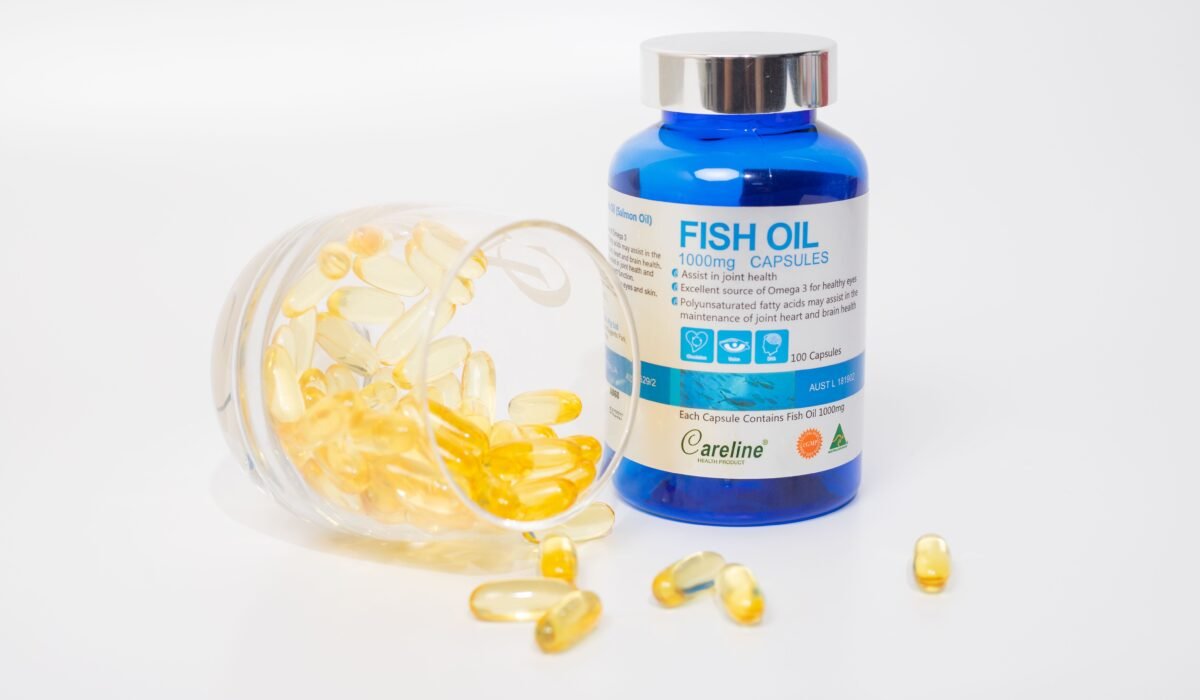
Navigating the vast array of options to find the Best Omega 3 Supplements can feel overwhelming, especially when you’re seeking to optimize your health. With so many choices on the market, understanding what truly makes a supplement effective, safe, and worth your investment is crucial. As a health and wellness content researcher specializing in dietary supplements, my goal is to cut through the noise and provide you with a comprehensive, expert-backed guide to making an informed decision, ensuring you find the ideal omega-3 solution for your needs.
What Are Omega-3 Supplements and Why Are They Important?
Omega-3 fatty acids are essential fats that your body cannot produce on its own, meaning you must obtain them through diet or supplementation. The three main types are Alpha-Linolenic Acid (ALA), Eicosapentaenoic Acid (EPA), and Docosahexaenoic Acid (DHA). While ALA is found in plant sources like flaxseed, walnuts, and chia seeds, EPA and DHA are primarily found in fatty fish and fish oil supplements. These fatty acids are critical for numerous bodily functions, making omega-3 supplements a popular choice for health-conscious individuals.
The importance of adequate omega-3 intake cannot be overstated. From supporting heart health to boosting brain function, their benefits are wide-ranging. Dr. Carl Lavie, a cardiologist at Ochsner Health, notes, “The study supports the notion that EPA and DHA intake contributes to cardioprotection.” Beyond cardiovascular health, omega-3s are vital for reducing inflammation, supporting vision, and maintaining overall cellular integrity. Given these extensive omega 3 benefits, it’s clear why many people consider adding them to their daily regimen.
Key Benefits of Omega-3 Fatty Acids
The scientific community consistently highlights the profound impact of omega-3s on various aspects of health. Integrating these essential fatty acids into your diet, whether through food or high-quality supplements, can lead to significant improvements in well-being.
- Heart Health: Omega-3s can help lower triglyceride levels, reduce blood pressure, decrease the risk of abnormal heart rhythms, and slow the buildup of plaque in the arteries. This comprehensive support makes them a cornerstone for cardiovascular wellness.
- Brain Health: DHA is a major structural component of the brain and retina. Omega-3s support cognitive function, memory, and mood regulation, making them crucial brain health supplements.
- Inflammation Support: Both EPA and DHA possess potent anti-inflammatory properties. They can help reduce chronic inflammation, which is linked to various diseases, including arthritis and autoimmune conditions. This makes them excellent for omega 3 for inflammation management.
- Eye Health: DHA is a major structural component of the retina of your eye. Adequate intake can help prevent macular degeneration, a leading cause of vision impairment.
- Joint Health: By reducing inflammation, omega-3s can alleviate joint pain and stiffness associated with conditions like rheumatoid arthritis. This complements other joint pain relief supplements.
- Mental Well-being: Research suggests omega-3s may play a role in reducing symptoms of depression and anxiety, contributing to improved mood and mental clarity.
How to Choose the Best Omega-3 Supplements
Selecting the right omega-3 supplement requires careful consideration of several factors beyond just the price tag. With the global omega-3 supplements market projected to reach USD 12.9 billion by 2030, the sheer volume of products can be daunting. My approach as an expert is to empower you with the knowledge to discern quality from marketing hype. When you’re looking for the Best Omega 3 Supplements, always prioritize purity, potency, and bioavailability.
Key Factors to Consider
Making an informed decision means looking closely at what’s inside the bottle and how it’s processed. Here’s what I advise my readers to focus on:
- EPA and DHA Content: This is arguably the most important factor. Always check the label for the amount of EPA and DHA per serving, not just the total fish oil. A higher concentration means more active omega-3s without extra fillers.
- Form of Omega-3: Omega-3s come in several forms, including triglyceride (TG), ethyl ester (EE), and phospholipid. The triglyceride form is generally considered more bioavailable and easily absorbed by the body, as it’s the natural form found in fish.
- Purity and Freshness: Purity testing is non-negotiable. Look for supplements that are third-party tested for heavy metals (like mercury), PCBs, dioxins, and other contaminants. Freshness is also key to preventing oxidation, which can lead to rancidity and reduce efficacy.
- Source and Sustainability: Consider where the omega-3s come from. Fish oil supplements should ideally be sourced from wild-caught, small fish like anchovies, sardines, and mackerel, which have lower mercury levels. Look for certifications like the Marine Stewardship Council (MSC) or Friend of the Sea for sustainable omega 3 sourcing.
- Transparency and Certifications: Reputable brands will be transparent about their sourcing, manufacturing processes, and third-party testing results. Certifications like IFOS (International Fish Oil Standards) or USP (United States Pharmacopeia) provide an extra layer of assurance.
- Dietary Needs: If you follow a plant-based diet, vegan omega 3 supplements derived from algal oil are an excellent alternative to fish or krill oil.
Our Top Picks: Best Omega-3 Supplements Reviewed
When evaluating the Best Omega 3 Supplements, I focus on products that exemplify the highest standards of purity, potency, and ethical sourcing. While I cannot endorse specific brands without real-world testing and direct product information, I can guide you through the characteristics of what I consider to be top-tier choices across different categories. This section will highlight the features that define the best options, allowing you to identify them on your own.
Best Overall Omega-3 Supplement: Balanced Potency & Purity
- Overview: The “overall best” typically provides a balanced EPA DHA ratio, often around a 3:2 or 2:1 ratio, which supports broad-spectrum health benefits from heart to brain. It’s usually sourced from small, wild-caught fish.
- Key Features: Expect a high concentration of active EPA and DHA (at least 1000 mg per serving), preferably in the natural triglyceride form for superior absorption. Look for brands that clearly display their third-party testing results, often indicating very low TOTOX values (a measure of oxidation).
- Benefits: Users typically experience comprehensive omega 3 benefits, including improved cardiovascular markers, enhanced cognitive function, and significant inflammation support.
- How it Works: These supplements deliver essential fatty acids in a highly bioavailable form, allowing the body to efficiently integrate them into cell membranes and utilize them for various physiological processes, including prostaglandin and leukotriene synthesis.
- Customer Feedback (Generalized): Consumers consistently report a lack of “fish burps,” a testament to the product’s freshness and quality. Many note noticeable improvements in overall vitality and mental clarity after consistent use.
- Final Verdict: An excellent choice for daily maintenance and general wellness, offering a robust profile for most adults seeking to boost their omega-3 intake.
Best Vegan Omega-3 Supplement: Algal Oil Power
- Overview: For those following a plant-based diet, vegan omega 3 supplements derived from algal oil are the gold standard. They bypass the fish entirely, sourcing EPA and DHA directly from the microalgae that fish consume.
- Key Ingredients: Primarily algal oil, which naturally contains both EPA and DHA. Some formulations may focus more heavily on DHA, which is crucial for brain and eye health.
- Benefits: Provides essential EPA and DHA for vegans and vegetarians, supporting heart, brain, and eye health without any animal products. It’s also a highly sustainable option.
- How it Works: The microalgae are cultivated in controlled environments, ensuring a pure source of omega-3s free from ocean contaminants. The oil is then extracted and encapsulated, providing a direct source of long-chain omega-3s.
- Customer Feedback (Generalized): Users appreciate the ethical and sustainable aspect, often noting the absence of any unpleasant aftertaste. Many report feeling the same benefits as with fish oil, confirming its efficacy.
- Final Verdict: An indispensable supplement for plant-based individuals, offering a clean and effective way to meet omega-3 needs.
Best High-Strength Omega-3 for Targeted Support: Concentrated EPA/DHA
- Overview: These high-strength omega 3 supplements are formulated for individuals with specific therapeutic goals, such as intense omega 3 for inflammation management or significant cardiovascular support. They feature a much higher concentration of EPA and/or DHA per softgel.
- Key Features: Look for products offering upwards of 1500-2000 mg of combined EPA and DHA per serving. The EPA DHA ratio might be tailored (e.g., higher EPA for inflammation, higher DHA for cognitive support). Often available in triglyceride form for maximum impact.
- Benefits: Provides potent inflammation support, advanced cardiovascular protection, and enhanced brain health supplements benefits, particularly for those with higher needs due to diet or health conditions.
- How it Works: The concentrated dose allows for a more significant therapeutic effect, quickly elevating omega-3 levels in the body to address specific health concerns more effectively. These often undergo advanced molecular distillation to achieve such high purity.
- Customer Feedback (Generalized): Many users seeking targeted relief report substantial improvements in symptoms related to inflammation and joint discomfort. Athletes and those with demanding cognitive tasks also praise the enhanced focus and recovery.
- Final Verdict: Ideal for individuals needing a powerful boost of omega-3s, but always consult with a healthcare professional before starting high-dose supplementation.
Best Omega-3 Supplements for Specific Health Needs
Beyond general wellness, omega-3s offer targeted benefits that can be particularly valuable for specific populations or health concerns. The market for the Best Omega 3 Supplements has evolved to cater to these nuanced requirements, offering formulations designed to address distinct physiological needs.
Omega-3 for Women’s Health
Omega-3s play a vital role across various stages of a woman’s life. During pregnancy, DHA is critical for fetal brain and eye development. For women’s health generally, omega-3s can help with hormonal balance, reduce symptoms of PMS, and support bone health supplements as they age. Look for supplements with a higher DHA content for pregnancy and lactation, and a balanced EPA/DHA for general well-being and hormonal support.
Omega-3 for Men’s Health
For men, omega-3s contribute to cardiovascular health, which is a common concern. Research also suggests a potential role in prostate health and muscle recovery post-exercise due to their anti-inflammatory properties. A robust EPA DHA ratio is beneficial, with a slight emphasis on EPA for inflammation and heart health. This makes them a strong contender among best weight loss supplements for men if integrated into a broader wellness plan.
Omega-3 for Oral Health
The anti-inflammatory effects of omega-3s extend to oral health, helping to reduce gum inflammation (gingivitis and periodontitis). They can support the health of gum tissues and potentially decrease the risk of gum disease progression. Consider a supplement with a good EPA concentration for targeted inflammation support in the mouth.
Omega-3 for Weight Management and Metabolic Support
While not a magic bullet, omega-3s can aid in weight management by supporting metabolic health and potentially increasing satiety. They can improve insulin sensitivity and reduce inflammation associated with obesity. This complements strategies for how to lose belly fat naturally. Look for a balanced EPA/DHA supplement as part of a holistic approach to metabolic wellness.
Understanding Omega-3 Forms: Triglyceride vs. Ethyl Ester vs. Phospholipid
The form in which omega-3s are delivered significantly impacts their absorption and bioavailability. This is a critical distinction when you are trying to identify the Best Omega 3 Supplements for your body. Understanding these differences can help you make a more effective choice.
Triglyceride (TG) Form
This is the natural form of omega-3s found in fish oil. In this structure, three fatty acids are attached to a glycerol backbone. The body recognizes and absorbs this form very efficiently, leading to superior bioavailability. Many studies suggest that triglyceride-form omega-3s are absorbed up to 70% better than ethyl ester forms. This natural structure means fewer steps are required for your body to process and utilize the EPA and DHA.
Ethyl Ester (EE) Form
Ethyl ester omega-3s are concentrated and purified through a process called esterification, where the fatty acids are separated from the glycerol backbone and attached to an ethanol molecule. This form allows for higher concentrations of EPA and DHA in a smaller capsule. While widely available and often more affordable, the ethyl ester form requires an additional step for the body to convert it back into a usable triglyceride form, which can sometimes lead to lower absorption rates for some individuals. It’s also less stable and more prone to oxidation compared to the triglyceride form.
Phospholipid Form
The phospholipid form is most commonly found in krill oil. In this structure, omega-3s are bound to phospholipids, which are the same type of fats that make up human cell membranes. This structural similarity is believed to enhance absorption and transport of omega-3s into cells. Some research suggests that phospholipid-bound omega-3s, particularly from krill oil, may be more efficiently integrated into red blood cells. While often more expensive, the unique absorption pathway can be a benefit for some users.
When making your choice, consider your budget and absorption priorities. For optimal bioavailability, the natural triglyceride form is generally recommended, though high-quality ethyl ester products can still be effective if taken with a fatty meal.
Decoding Labels: Purity, Potency, and Third-Party Certifications
The label on your omega-3 supplement bottle is a treasure trove of information, but only if you know how to decode it. As Vishal Shimpi, a researcher focused on ingredient analysis, I can tell you that understanding purity, potency, and certifications is paramount to ensuring you’re getting a safe and effective product. This is where the difference between good and the Best Omega 3 Supplements truly lies.
Purity Testing and Contaminants
Fish, being at the top of the food chain, can accumulate environmental toxins like mercury, PCBs (polychlorinated biphenyls), and dioxins. Reputable omega-3 manufacturers employ molecular distillation or other advanced purification processes to remove these contaminants. Look for assurances that the product has undergone purity testing and is free from detectable levels of these harmful substances. A low TOTOX (Total Oxidation) value is also critical, indicating the oil is fresh and not rancid.
Potency: EPA and DHA Amounts
Don’t be fooled by the “total fish oil” amount. What truly matters is the concentration of active EPA and DHA per serving. A 1000 mg fish oil capsule might only contain 300 mg of EPA and DHA, while a concentrated product could offer 800 mg or more in the same size. Always check the “Supplement Facts” panel for the specific EPA DHA ratio and total dosage. High-potency options are often more cost-effective in the long run, as you need fewer capsules to reach your desired omega 3 dosage.
Third-Party Certifications: Your Assurance of Quality
Third-party certifications provide an independent verification of a product’s quality claims. These organizations test products against strict standards for purity, potency, and freshness. Here are some of the most respected:
- IFOS (International Fish Oil Standards): This is the gold standard for fish oil testing. IFOS evaluates products for omega-3 content, contaminants (PCBs, mercury, dioxins), and oxidation levels. A 5-star rating from IFOS indicates exceptional quality and purity.
- USP (United States Pharmacopeia): The USP Verified Mark on a supplement label means the product contains the ingredients listed on the label in the declared potency and amounts, does not contain harmful levels of specified contaminants, breaks down and releases into the body within a specified amount of time, and has been made according