
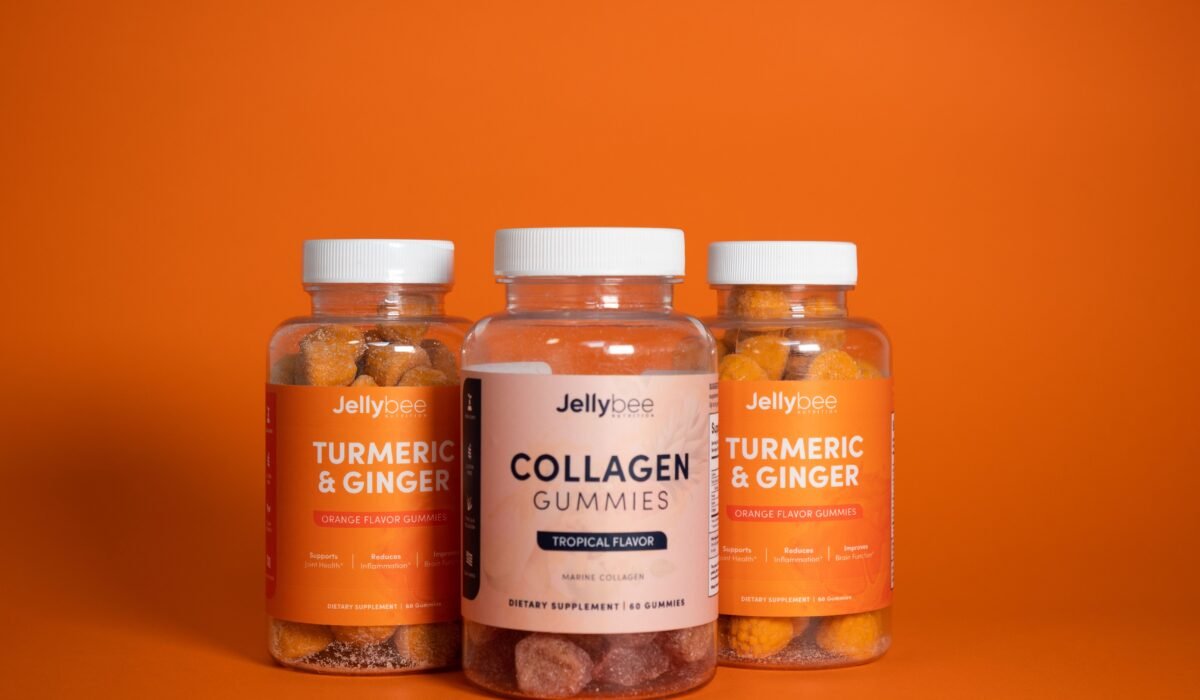
Navigating the vast world of health supplements can be overwhelming, especially when you’re searching for the Best Collagen Supplements to support your wellness goals. Many people wonder which products truly deliver on their promises for healthier skin, stronger joints, and improved overall vitality. In this comprehensive guide, I’ll cut through the noise, providing you with evidence-backed insights and top recommendations to help you make an informed decision.
What Are Collagen Supplements and Why Take Them?
Collagen is the most abundant protein in your body, forming the structural framework for your skin, bones, tendons, ligaments, and other connective tissues. It’s essentially the “glue” that holds everything together. While your body naturally produces collagen, this production begins to decline in your mid-20s, accelerating significantly after age 40 and especially for women over 50.
This decline can lead to common signs of aging like wrinkles, sagging skin, joint stiffness, and weaker bones. Collagen supplements aim to counteract this natural process by providing your body with the building blocks it needs to maintain or even boost its own collagen production. The U.S. collagen supplement market is experiencing significant growth, projected to reach USD 608.56 million by 2032, according to market data, highlighting its increasing popularity.
Understanding Hydrolyzed Collagen and Peptides
When you consume collagen, whether through food or supplements, your digestive system breaks it down into amino acids. However, the true magic of supplements often lies in hydrolyzed collagen benefits. This form, also known as collagen peptides, has undergone a process called hydrolysis, which breaks down the large collagen proteins into smaller, more easily absorbed peptides.
Dr. David L. Katz, a preventive medicine specialist, explains that “Intact collagen does not survive digestion, but collagen peptides do, so by taking collagen you are providing your body [with] construction material to make new collagen.” These smaller peptides are absorbed into the bloodstream and signal your body to produce more of its own collagen, rather than directly becoming new collagen themselves. This is a crucial distinction that many people miss.
The Best Collagen Supplements: Our Top Picks for 2024-2026
Choosing among the many collagen supplements on the market can feel like a daunting task. Based on extensive research and expert recommendations, the top picks often share key characteristics: high-quality sourcing, effective forms, and complementary ingredients. When evaluating the best collagen supplements, I look for products that offer transparency and proven efficacy.
Here’s what generally stands out among the leading choices:
- Grass-Fed Bovine Collagen Peptides: Brands like Vital Proteins Collagen Peptides are consistently praised for their purity and versatility. Sourced from grass-fed, pasture-raised bovine hides, these powders are known for dissolving easily into hot or cold beverages without altering the taste. They primarily offer Type I and III collagen, excellent for skin elasticity and joint support.
- Multi-Sourced Collagen Formulas: Products such as Ancient Nutrition Multi Collagen Protein provide a broader spectrum of collagen types (I, II, III, V, X) from various sources like bovine, eggshell membrane, chicken bone broth, and fish. Many of these formulations also include collagen with vitamin C benefits, which is essential for your body’s natural collagen synthesis.
- Marine Collagen for Targeted Benefits: For those seeking specific skin and hair improvements, the best marine collagen supplements are often highlighted. Marine collagen, typically Type I, is derived from fish and is known for its superior bioavailability and benefits for skin elasticity. Absolute Collagen Marine Collagen Supplement Drink is an example often cited for noticeable skin improvements and a pleasant flavor, despite its fish origin.
- Specialized Collagen for Joint Health: While many collagens support joints, some formulations specifically target cartilage. Look for products that emphasize Type II collagen for joint pain relief. Combining collagen for joint pain relief with other joint support supplements can offer comprehensive benefits.
The form factor also plays a role in personal preference. While collagen powder vs pills is a common debate, powders currently dominate the market, holding approximately 43.8% share in 2024. Powders offer flexibility in dosage and can be easily mixed into various foods and drinks. Liquid collagen, while often more expensive, can offer convenience and rapid absorption for some users.
Get The Latest Price On The Official Website
Visit Official Website to check current pricing, discounts, bonuses, and availability.
Which Type of Collagen is Best for Your Specific Health Goals?
Not all collagen is created equal. There are at least 28 different types of collagen in the body, but Type I, II, and III are the most prevalent and relevant for supplementation. Understanding the different collagen peptides types can help you tailor your choice to your specific health objectives.
- Type I Collagen: This is the most abundant type in your body, found in skin, tendons, ligaments, bones, and teeth. It’s crucial for collagen for skin elasticity, wound healing, and maintaining strong hair and nails. If your primary goal is anti-aging, improved skin texture, or stronger hair (think collagen for hair growth reviews), Type I is your go-to. It’s often sourced from bovine or marine collagen.
- Type II Collagen: Primarily found in cartilage, Type II collagen is essential for joint health. If you’re experiencing joint pain, stiffness, or looking to support cartilage regeneration, especially for conditions like osteoarthritis, supplements rich in Type II collagen (often derived from chicken or bovine cartilage) are most beneficial. This is a key component for effective collagen for joint pain relief.
- Type III Collagen: Often found alongside Type I, Type III collagen is present in skin, muscles, and blood vessels. It plays a significant role in skin elasticity and overall skin health, contributing to a youthful appearance. Perry Nix, R.D., states that Type I and Type III collagen “work together to maintain skin elasticity, reduce wrinkles and sagging skin, and strengthen bones, tendons, and ligaments.”
For specific conditions, consider:
- Collagen for Gut Health: Amino acids like glycine and glutamine, abundant in collagen, can help support the gut lining and reduce inflammation. For those focusing on gut health, a multi-collagen blend or a Type I/III bovine collagen can be beneficial. Many users report decreased bloating and improved digestion after starting collagen supplementation.
- Collagen Supplements for Women Over 50: As women age, particularly post-menopause, bone density decreases significantly. Collagen, especially Type I from bovine collagen sources, can support bone health and complement other supplements for bone strength.
- Vegan Collagen Alternatives: While true collagen is animal-derived, some plant-based “collagen boosters” exist. These products don’t contain actual collagen but provide amino acids (like proline, glycine, and hydroxyproline) and cofactors (like Vitamin C and zinc) that support your body’s natural collagen production. These are excellent choices for those following a plant-based diet.
Choosing the Best Collagen Supplement: What to Look For (and Avoid)
With so many options, knowing what makes a quality collagen supplement is key. As a health and wellness content researcher, I emphasize looking beyond marketing claims and focusing on the science-backed details.
What to Look For:
- Hydrolyzed Collagen Peptides: Always prioritize this form. As Dr. Katz noted, these smaller fragments are much more bioavailable, meaning your body can absorb and utilize them effectively.
- High-Quality Sourcing: For bovine collagen, look for “grass-fed” and “pasture-raised” to ensure a cleaner product. For marine collagen, “wild-caught” is preferable. These indicate better animal welfare and potentially fewer contaminants.
- Complementary Nutrients: Vitamin C is crucial for collagen synthesis, so products containing collagen with vitamin C benefits are a smart choice. Other beneficial additions include hyaluronic acid, biotin, and zinc.
- Transparent Labeling: A reputable brand will clearly list the type of collagen, its source, and the dosage per serving. Look for third-party testing certifications for purity and contaminants.
- Appropriate Dosage: Most clinical studies suggest taking 2.5–10 grams of hydrolyzed collagen daily for skin benefits, and 10-20 grams for joint health. Nutritionists often recommend 10-20 grams per day for best results.
What to Avoid:
- Unspecified Collagen Types: If a label doesn’t specify Type I, II, or III, it’s hard to know what you’re getting.
- Non-Hydrolyzed Collagen: Unless it’s a specific Type II undenatured collagen for joint immunity, whole collagen protein is less effective for systemic benefits due to poor absorption.
- Excessive Fillers and Artificial Ingredients: Avoid supplements with artificial sweeteners, colors, or unnecessary additives.
- Unrealistic Claims: Be wary of products promising overnight miracles or implying they will replace all your body’s collagen directly. Collagen supplements are a supportive tool, not a cure-all.
Pricing and Refund Policy
The price of collagen supplements can vary widely based on sourcing, brand reputation, and additional ingredients. While you shouldn’t always opt for the cheapest option, a higher price doesn’t automatically guarantee superior quality. In my experience, a good quality collagen supplement typically ranges from $25-$50 for a month’s supply. Always check the brand’s refund policy before purchasing. Most reputable companies offer a satisfaction guarantee, allowing you to return the product if it doesn’t meet your expectations within a certain timeframe.
How Long Does it Take for Collagen Supplements to Work & What are the Side Effects?
One of the most common questions I encounter is about the timeline for seeing results. The truth is, consistency is key, and results aren’t instantaneous. Clinical studies show that consuming 2.5–10 grams of hydrolyzed collagen daily can improve skin elasticity and hydration within 8–12 weeks. For joint health, noticeable improvements might take slightly longer, often around 3-6 months of consistent use.
Individual results can vary based on factors like age, diet, lifestyle, and the severity of existing conditions. It’s important to set realistic expectations and commit to daily supplementation for at least a few months to truly assess its efficacy for your specific health goals.
Potential Side Effects of Collagen Supplements
For most people, collagen supplements are generally well-tolerated. However, some individuals may experience mild side effects. The most commonly reported issues include:
- Digestive discomfort: This can manifest as bloating, gas, or a feeling of fullness. This is often linked to the source of collagen or individual sensitivity. Marine collagen, for example, is sometimes associated with a lingering fishy taste or odor.
- Allergic reactions: If you have allergies to beef, fish, or eggs, you should avoid collagen supplements derived from those sources. Always check the ingredient list carefully.
To minimize potential side effects like collagen side effects bloating, start with a lower dose and gradually increase it. Drinking plenty of water can also help with digestion. If you experience persistent or severe side effects, discontinue use and consult your healthcare provider. Overall, the disadvantages of taking collagen are minimal for most healthy adults.
Do Dermatologists and Experts Recommend Collagen Supplements?
The scientific community’s stance on collagen supplements has evolved significantly. Initially met with skepticism, a growing body of research, particularly on hydrolyzed collagen peptides, has led many experts to acknowledge their potential benefits. The short answer is yes, many dermatologists and nutritionists now recommend collagen supplements, with caveats.
A dermatologist’s perspective is particularly insightful: “Dermatologists who follow the supplement literature recognize that hydrolyzed collagen peptides now have stronger controlled evidence than most dietary supplements.” They typically recommend products based on strict formulation criteria: they must be in hydrolyzed peptide form, delivered in a clinically studied dosage (2,500 to 10,000 mg daily), have transparent labeling, and ideally include complementary ingredients like oral hyaluronic acid.
Registered dietitians and nutritionists also weigh in on the efficacy and sourcing. Perry Nix, R.D., highlights the combined benefits of Type I and Type III collagen for skin and bone health. As a content researcher specializing in dietary supplements, I’ve observed that the consensus among reputable experts points towards well-formulated, bioavailable collagen peptides as a valuable addition to a healthy lifestyle, especially for age-related concerns.
<h2 id="frequently-asked-questions-about-collagen-supplements
What is the most effective collagen to take?
The most effective collagen is typically hydrolyzed collagen peptides, as they are broken down into smaller, more absorbable units for your body to utilize. For specific goals, Type I and III are excellent for skin and hair, while Type II is best for joint and cartilage support. The best collagen supplements often combine these types or focus on highly bioavailable forms.
What type of collagen is best for anti-aging?
For anti-aging benefits, particularly concerning skin elasticity, firmness, and wrinkle reduction, Type I and Type III collagen are generally considered the most effective. These types are abundant in the skin and are often sourced from bovine or marine collagen. Look for products that specifically highlight these collagen peptides for skin health.
Is it good to take collagen every day?
Yes, taking collagen daily is generally recommended for consistent and noticeable results. Most clinical studies demonstrating benefits for skin, hair, and joints involve daily supplementation. Consistency allows your body to continuously receive the necessary amino acids and signals to support its natural collagen production over time.
What is the best form of collagen to take?
The best form of collagen to take is typically hydrolyzed collagen (collagen peptides) due to its superior absorption. While powders are the most popular and versatile, capsules and liquid forms also offer convenience. Choose the form that best fits your lifestyle and preferences, ensuring it’s hydrolyzed for maximum efficacy.
Get The Latest Price On The Official Website
Visit Official Website to check current pricing, discounts, bonuses, and availability.
Choosing the Best Collagen Supplements means looking for quality, transparency, and a product that aligns with your individual health needs. By focusing on hydrolyzed peptides, understanding collagen types, and considering expert recommendations, you’re empowered to make a confident choice. Prioritize consistency in your routine to unlock the full potential of these beneficial supplements for your skin, joints, and overall well-being. Start your journey today and feel the difference!