
Navigating the maze of health information can be daunting, but getting your USA everyday health questions answered is crucial for maintaining well-being. As a health and wellness content researcher, I understand the need for clear, actionable advice that cuts through the noise. This comprehensive guide provides evidence-based answers to the common health and wellness queries that impact Americans daily, helping you make informed decisions for a healthier life.
Understanding Common Health Concerns for Americans: Answering Your USA Everyday Health Questions
Americans face a unique set of daily health challenges, from managing chronic conditions to navigating the complexities of modern lifestyles. The pursuit of better health often begins with understanding the prevalent issues. Many individuals are looking for daily health tips for Americans to proactively address these concerns.
While life expectancy has seen fluctuations, statistics reveal persistent disparities and areas needing attention. Men, for instance, have a life expectancy of 74.8 years compared to 80.2 for women, highlighting significant differences in health outcomes, often linked to higher rates of chronic diseases and lower rates of regular screenings. Identifying these common health issues in US populations is the first step toward effective preventive health USA strategies.
Prioritizing Preventive Care
What most people miss is that focusing on prevention can significantly reduce the impact of these common health issues. Regular check-ups, understanding your family history, and adopting healthy habits early on are far more effective than waiting for problems to arise. This proactive approach is a cornerstone of any effective American wellness guide.
- Regular Screenings: Many conditions are highly treatable when caught early. Don’t skip your annual physicals, blood pressure checks, or age-appropriate cancer screenings.
- Lifestyle Choices: Diet, exercise, and stress management play a monumental role in preventing chronic diseases like heart disease, diabetes, and certain cancers.
- Education: Arming yourself with reliable information, like the answers to these USA everyday health questions answered, empowers you to make better choices for your long-term health.
Are Dietary Supplements Essential for Everyday Health?
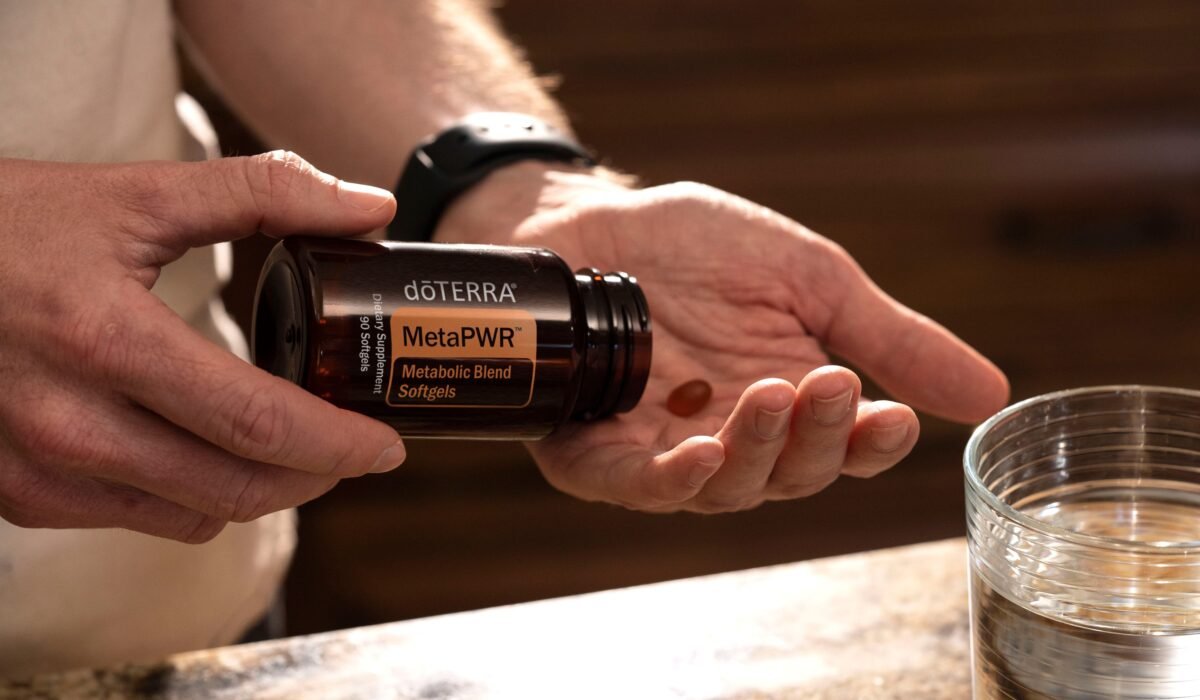
The US dietary supplement market is booming, hitting $69.3 billion in 2024, with 75% of Americans using supplements. This growth is driven by a desire for preventive health and healthy aging. But the question remains: are dietary supplements truly essential for everyone’s everyday health?
In my experience researching dietary supplements, the short answer is: it depends on your individual needs and dietary intake. While some individuals may benefit greatly from specific supplements due to deficiencies, dietary restrictions, or increased physiological demands, a well-balanced diet should always be the foundation of your nutrition. Magnesium and ashwagandha use, for example, have seen significant increases, reflecting a growing interest in targeted support for areas like sleep and stress.
Making Smart Supplement Choices
For many, the benefits of dietary supplements are real, especially for immune, gut, skin, and joint health. However, it’s crucial to understand that supplements are meant to *supplement* a healthy lifestyle, not replace it. Before adding anything new to your routine, consider these points:
- Consult a Healthcare Professional: Always discuss supplement use with your doctor or a registered dietitian. They can assess potential deficiencies and interactions with medications.
- Research Quality: Look for third-party tested products to ensure purity and potency. Not all supplements are created equal. You might find Beginner’s Guide USA Health Supplements: A Smart Start helpful for navigating choices.
- Focus on Whole Foods: Prioritize a diet rich in fruits, vegetables, whole grains, and lean proteins. Supplements can fill gaps, but whole foods provide a complex array of nutrients and fiber that pills cannot replicate.
The trend towards personalized regimens for supplements is strong, emphasizing that what works for one person may not work for another. Understanding your body’s unique needs is key to leveraging dietary supplement benefits effectively.
How Can Americans Achieve Optimal Oral Health Daily?
Oral health is often overlooked but is a critical component of overall well-being. Unfortunately, nearly half of US adults over 30 have some form of periodontal disease, and about 1 in 5 has an untreated cavity. Achieving optimal oral health daily is more straightforward than you might think and doesn’t require spending the nation’s $124 billion annual dental care budget on yourself.
The good news is that the 2024 Oral Health Surveillance Report shows general improvements in oral health across age groups. Simple, consistent oral hygiene tips for US adults can make a profound difference in preventing decay and gum disease. Most adults (68%) reported seeing a dentist in the prior year, a positive sign of engagement.
Essential Daily Oral Care Practices
Maintaining a healthy mouth isn’t just about fresh breath; it’s about preventing systemic health issues. Poor oral health has been linked to heart disease, diabetes, and even certain types of cancer. Here’s how to ensure your daily routine supports a healthy smile:
- Brush Twice Daily: Use a fluoride toothpaste and a soft-bristled brush. Spend at least two minutes brushing, covering all surfaces of your teeth and gums.
- Floss Daily: Flossing removes food particles and plaque that your toothbrush can’t reach, preventing gum disease and cavities between teeth.
- Regular Dental Check-ups: Visit your dentist at least once a year for professional cleaning and examination. They can spot problems before they become severe.
- Limit Sugary Foods and Drinks: Sugar is a primary culprit for cavities. Reducing your intake protects your teeth from acid erosion.
The disparities in oral health among high-poverty groups and certain non-Hispanic populations underscore that access to care and education are vital for all Americans to achieve optimal oral health.
Effective Weight Management Strategies for US Adults
Weight management remains a significant health concern for many Americans, with the US market undergoing a transformation. While traditional methods like dieting and exercise are still dominant (60% of Americans), new solutions are rapidly gaining traction. Understanding effective weight management strategies for US adults is key to sustainable health.
The most notable shift is the 50% increase in GLP-1 medication usage since 2024. Medications like Ozempic, Wegovy, and Mounjaro are now prominent examples, with 38% of Americans open to a semaglutide prescription if offered by their doctor. Dena Arumugam, M.D., FACS, a bariatric surgeon, notes, “I think the new weight-loss medications like Mounjaro and Ozempic are at their peak in popularity. They can be a great add-on to healthy eating and exercise, and they have a lot of potential to help people.”
Balancing Lifestyle and Medical Interventions
The evolving landscape of weight management highlights a crucial point: there’s no single “magic bullet.” A holistic approach, often combining lifestyle changes with medical support, yields the best results. Many individuals seeking answers to their USA everyday health questions answered around weight find success with a multi-faceted approach.
- Dietary Adjustments: Focus on whole, unprocessed foods, portion control, and mindful eating. Small, sustainable changes are more effective than restrictive fad diets.
- Regular Physical Activity: Aim for at least 150 minutes of moderate-intensity aerobic activity or 75 minutes of vigorous-intensity activity per week, along with muscle-strengthening activities. Users of semaglutide, for instance, report being more likely to exercise after weight loss.
- Medical Guidance: If considering medications like GLP-1s, consult your doctor to determine if they are appropriate for your health profile. These should always complement, not replace, healthy habits.
- Behavioral Support: Addressing emotional eating, stress, and sleep patterns is vital for long-term success.
The weight management market is projected to grow 9-10% annually, reflecting the ongoing search for effective solutions. Personalized nutrition, such as Nestlé’s meals tailored for semaglutide users, exemplifies the trend towards customized approaches.
Key Health Considerations for Men in the USA
Men in the USA face distinct health challenges, often leading to a lower life expectancy compared to women. The National Health Council highlights that “A man living in the U.S. can expect to live 5.9 years less than the average American woman according to the Centers for Disease Control and Prevention (CDC).” This gap is alarming and underscores the need for specific attention to men’s health concerns in US populations.
Men are more susceptible to certain chronic diseases, including heart disease, cancer, and conditions affecting the lungs, kidneys, and liver. Furthermore, the suicide rate is four times higher for men than women, pointing to critical mental health needs. A staggering 55% of men report not receiving regular health screenings, which is a major barrier to early detection and prevention.
Prioritizing Men’s Health and Well-being
The “tough guy” mentality often prevents men from seeking medical help or discussing their health concerns, exacerbating preventable conditions. It’s vital for men to understand that prioritizing their health is a sign of strength, not weakness. For men looking for USA everyday health questions answered, these considerations are paramount:
- Regular Check-ups and Screenings: Don’t wait for symptoms. Annual physicals, blood pressure checks, cholesterol screenings, and age-appropriate cancer screenings (prostate, colorectal) are non-negotiable.
- Heart Health: Heart disease is a leading killer of men. Focus on a heart-healthy diet, regular exercise, maintaining a healthy weight, and managing stress.
- Mental Health Awareness: Be aware of symptoms of depression, anxiety, or excessive stress. Don’t hesitate to seek professional help if you’re struggling. Mental well-being US resources are available.
- Healthy Lifestyle Choices: Limit alcohol consumption, avoid smoking, and engage in regular physical activity. These fundamental choices significantly impact long-term health.
Encouraging open conversations about health and destigmatizing seeking medical care are crucial steps in improving men’s health outcomes across the nation.
Addressing Women’s Unique Health Needs in America
Women’s health priorities in USA are diverse and require specialized attention, encompassing everything from reproductive health to mental wellness and chronic disease prevention. While women generally live longer than men, they face unique challenges, as highlighted by concerning statistics.
Maternal mortality rates in the US were 17.9 deaths per 100,000 live births in 2024, with Black non-Hispanic women experiencing significantly higher rates. Depression increased 11% among women between 2019-2020 and 2021-2022, and drug deaths rose 38% for women between 2017-2019 and 2020-2022. Furthermore, nearly one-third of women ages 18 to 49 reported in 2024 and 2025 that their reproductive health needs were not being met, with 16% missing needed preventive gynecologic care.
Comprehensive Care for Women’s Health
Addressing these unique health needs requires a comprehensive approach that goes beyond just reproductive care. It involves advocating for your health, understanding your body, and seeking appropriate medical attention for all aspects of well-being. This is vital for all women seeking USA everyday health questions answered.
- Reproductive and Gynecologic Care: Regular screenings, contraception, and maternal care are essential. Don’t neglect preventive gynecologic check-ups, even if you feel healthy.
- Mental Health Support: Given the rise in depression and drug deaths, women must prioritize mental well-being. Seek support for stress, anxiety, or depression from healthcare professionals.
- Heart Health: Heart disease is a leading cause of death for women, often presenting with different symptoms than in men. Be aware of your risk factors and adopt heart-healthy habits.
- Bone Health: Women are at higher risk for osteoporosis. Ensure adequate calcium and Vitamin D intake, and discuss bone density screenings with your doctor as you age.
It’s important to recognize that health disparities persist, particularly for women of color, underscoring the need for equitable access to quality healthcare and culturally competent services.
Boosting Mental Wellness: Practical Tips for Americans
Mental wellness is just as vital as physical health, yet it’s often overlooked in our fast-paced society. Many Americans grapple with stress, anxiety, and depression, making practical tips for boosting mental wellness crucial for daily life. Dr. Rick Hanson, author of “Hardwiring Happiness,” offers insights like, “The more we take in good experiences, the more our positive mental states become positive neural traits, allowing us to rest in a happiness that emerges naturally inside us.”
The rise in mental health challenges, particularly the increase in depression among women, highlights a widespread need for effective strategies. Boosting mental well-being in US communities requires integrating simple, yet powerful,