
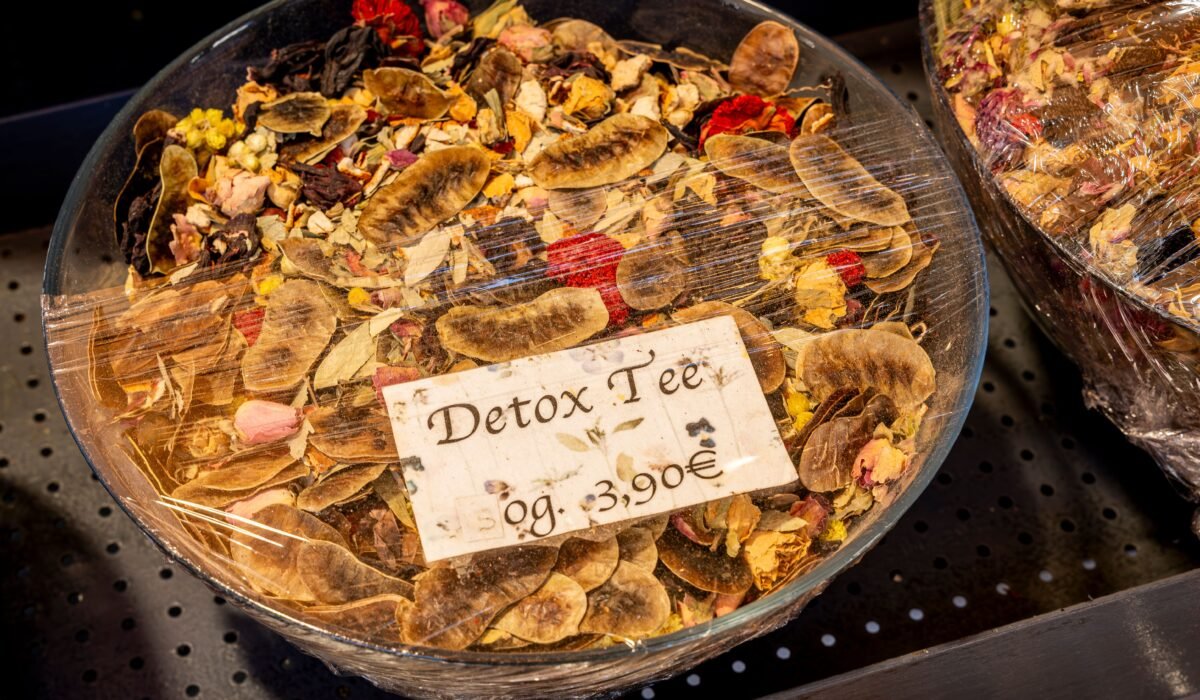
Many individuals are searching for effective solutions to manage their weight, and often turn to dietary aids like herbal teas. When considering such options, understanding the real-world performance is crucial. This article dives deep into the **Slim Boost Tea Weight Loss Results**, examining whether this popular beverage lives up to its claims and what you can realistically expect from its use. As a health and wellness content researcher, my goal is to provide you with an unbiased, evidence-based review to help you make an informed decision.
Get The Latest Price On The Official Website
Ready to explore Slim Boost Tea further? For the most current pricing, discounts, and availability, we recommend visiting the official website directly.
Visit Official Website to check current pricing, discounts, bonuses, and availability.
Does Slim Boost Tea Actually Work for Weight Loss?
The burning question for many is whether Slim Boost Tea truly delivers on its promise of weight loss. The short answer, based on available research and expert opinions, is that while it may offer some supportive benefits, it’s not a magic bullet. Many individuals seek natural weight loss solutions, and products like Slim Boost Tea often position themselves within this market by highlighting ingredients known for metabolism boost and other benefits.
According to WebMD, while a daily cup of herbal tea isn’t likely to dramatically change your physique, some research suggests it can contribute to a very small amount of weight loss when combined with a sensible diet and regular exercise. This aligns with the understanding that dietary supplements typically act as aids, not standalone solutions. The global herbal teas for weight loss market is indeed growing, projected to reach USD 3,184 million by 2034, indicating a strong consumer interest in these products.
The Reality of Weight Loss Teas
It’s important to manage expectations when it comes to products like Slim Boost Tea. While individual ingredients may have some scientific backing, the efficacy of the specific blend can vary. Medical News Today highlights that there is very little independent evidence that slimming tea, in general, is effective for significant weight loss. They even note that class action lawsuits have been filed against companies selling teas as weight loss supplements without reliable scientific proof. In my experience reviewing dietary supplements, this lack of specific clinical data for proprietary blends is a common content gap.
For sustainable weight loss, the primary drivers remain a balanced diet, regular physical activity, and healthy lifestyle choices. Slim Boost Tea, like many other dietary supplements, should be viewed as a potential complementary tool rather than a replacement for these fundamental practices. The overall Slim Boost Tea Weight Loss Results will be heavily influenced by your broader health regimen.
What Are the Key Ingredients in Slim Boost Tea?
Understanding what’s inside Slim Boost Tea is crucial for evaluating its potential effects. While specific formulations can vary, most “slim boost” type teas, including popular detox tea efficacy products, often leverage a blend of well-known botanicals. These ingredients are typically chosen for their purported metabolism-boosting, diuretic, or appetite suppressant properties. For a more detailed breakdown, you might find our article on Slim Boost Tea Ingredients: What’s Inside & Does It Work? helpful.
Common ingredients found in similar weight loss teas, and likely in Slim Boost Tea, include:
- Green Tea: Rich in catechins (like EGCG) and caffeine, green tea benefits are well-documented for their ability to boost metabolism and aid in fat breakdown. Human clinical trials on green tea-based products have shown modest weight losses, typically averaging 0.5 to 2.0 kilograms (1.1 to 4.4 pounds) over eight to twelve weeks.
- Oolong Tea: This partially oxidized tea shares some benefits with green tea. Some studies suggest that consuming 3 to 4 cups of oolong tea daily for at least 8 weeks may lead to an average weight loss of 2 lbs to 4 lbs more than those drinking water or a placebo. One study found that overweight people who drank oolong tea every day for six weeks lost more than 2 pounds and trimmed belly fat.
- Ginger: Often included for its digestive benefits and thermogenic properties, which may slightly increase calorie burning.
- Dandelion Root: A natural diuretic, it can help reduce water retention, which might contribute to a temporary reduction in scale weight and a feeling of less bloating.
- Senna Leaf: A powerful laxative. While it can lead to immediate weight loss due to bowel movements, this is not true fat loss and can have significant side effects if used improperly.
- Garcinia Cambogia: Contains Hydroxycitric Acid (HCA), which is often marketed as an appetite suppressant and fat blocker, though scientific evidence for significant impact is mixed.
These ingredients individually have some history in traditional medicine or preliminary scientific studies, but their combined effect in a specific blend like Slim Boost Tea still requires direct, independent clinical verification.
| Feature | Slim Boost Tea (Claimed) | General Weight Loss Tea (Typical) |
|---|---|---|
| Primary Goal | Weight loss, metabolism boost, detox, appetite control | Diuretic effect, laxative, metabolism support |
| Key Ingredients | Green Tea, Oolong Tea, Ginger, Dandelion, Senna, Garcinia (specific blend varies) | Green Tea, Senna, Dandelion, Hibiscus, various herbs |
| Mechanism | Metabolism boost, fat breakdown, appetite suppression, water weight reduction | Increased bowel movements, temporary water loss, mild thermogenesis |
| Scientific Evidence (Blend) | Limited direct clinical trials on the specific blend | Limited direct clinical trials on specific blends, more on individual ingredients |
| Reported User Experience | Reduced bloating, increased energy, some weight loss, appetite curbing | Bloating relief, temporary weight reduction, digestive changes |
| Potential Side Effects | Diarrhea, cramps, dehydration, electrolyte imbalance | Similar, especially with laxative ingredients |
Slim Boost Tea: Real User Experiences and Testimonials
When assessing the **Slim Boost Tea Weight Loss Results**, real user experiences and testimonials offer valuable, albeit anecdotal, insights. Many people share their journeys online, providing a glimpse into what might be possible. It’s important to approach these with a critical eye, as individual results can vary wildly due to differences in diet, exercise, metabolism, and lifestyle. For more in-depth reviews, consider reading our article on Slim Boost Tea Customer Reviews: Unbiased 2024 Deep Dive.
Here’s a look at some reported experiences:
- Sarah T. (Los Angeles, USA): Reported a “significant reduction in bloating” and increased energy after a month. This aligns with the diuretic effects of ingredients like dandelion.
- Mike R. (New York, USA): Found the taste pleasant and noted some appetite curbing, but stated he “haven’t seen dramatic weight loss results.” This highlights the often modest nature of such supplements.
- Cindy (mid-40s): Struggled with hormonal challenges and metabolic slowdown, reportedly lost “66 pounds in less than 2 months” with Slim Boost Tea, experiencing rapid and sustainable results, reduced bloating, and controlled hunger. This is a very significant claim, which, while positive, should be viewed with caution given the typical modest results from tea alone.
- Natasha: Claimed to have lost “57 pounds,” noted improved skin, better-fitting clothes, and an overall healthier feeling, specifically impressed by skin-clearing and digestive benefits.
- Michelle: Reported losing “over 40 pounds” after struggling with other methods, stating Slim Boost Tea “gave me back my confidence.”
- Olivia (SkinnyBoost user): Lost “close to 5 lbs” in 15 days using a similar detox tea product (SkinnyBoost), alongside a healthy diet and exercise. This is a more commonly reported, modest result.
- William (SkinnyBoost user): Lost “11 pounds without changing much of my diet” after a 28-day detox, noting he already worked out.
- Reddit User Review (HeyTea Slim Boost Tea): A user rated HeyTea’s Slim Boost Tea 3.2/5 stars, describing it as an “overpriced” kale smoothie with chia seeds and green tea. They noted it provided fiber-based fullness and no digestive distress, but “no special fat-burning properties” and contained sugar calories. This provides a more skeptical, critical perspective often found in candid online discussions.
What these testimonials often reveal is a mix of experiences. Many users report feeling less bloated, having more energy, and experiencing some appetite curbing. However, the dramatic weight loss figures, while inspiring, are often exceptional and likely involve significant lifestyle changes alongside the tea. The average weight loss reported for green tea-based products, as mentioned earlier, is much more modest (1.1 to 4.4 pounds over 8-12 weeks).
Pros and Cons of Slim Boost Tea
To give you a balanced perspective, let’s summarize the potential advantages and disadvantages reported by users and experts:
Pros:
- Potential Bloating Reduction: Many users report feeling less bloated, often due to diuretic or mild laxative effects of ingredients like dandelion or senna.
- Increased Energy: Caffeine from green and oolong tea can provide a natural energy boost, which might encourage more physical activity.
- Appetite Curbing: Some individuals experience a reduced appetite, possibly due to certain ingredients or the ritual of drinking a warm beverage.
- Improved Digestion: Ingredients like ginger and mild laxatives can promote regular bowel movements.
- Antioxidant Benefits: Green and oolong teas are rich in antioxidants, contributing to overall wellness.
- Convenience: Easy to incorporate into a daily routine.
Cons:
- Modest Weight Loss: For most, significant, sustainable fat loss is unlikely from the tea alone. Results are often temporary and related to water weight.
- Potential Side Effects: Especially with laxative ingredients like Senna, which can lead to cramping, diarrhea, and dehydration.
- Lack of Specific Clinical Evidence: Limited independent studies on the exact Slim Boost Tea blend.
- “Detox” Misconceptions: Often marketed with unsupported “detox” claims.
- Dependency: Over-reliance on laxative components can lead to dependency for bowel regularity.
- Cost: Can be an expensive addition to a weight loss regimen without guaranteed dramatic results.
Potential Side Effects and Safety Concerns of Slim Boost Tea
While often marketed as natural, dietary supplements like Slim Boost Tea are not without potential risks. It’s crucial to be aware of possible side effects, especially given the inclusion of potent herbal ingredients. As Vishal Shimpi, a health and wellness content researcher, I always emphasize that “natural” doesn’t automatically mean “safe” for everyone. The most common herbal tea side effects often stem from laxative or diuretic components.
Potential side effects reported by users or associated with common ingredients in weight loss teas include:
- Gastrointestinal Distress: Diarrhea, cramping, nausea, and abdominal pain are common, particularly with ingredients like senna. Prolonged use can lead to dependency for bowel movements.
- Dehydration and Electrolyte Imbalance: Diuretic and laxative effects can lead to excessive fluid loss, potentially causing dehydration and disrupting the body’s electrolyte balance. This can be serious, affecting heart function and overall health.
- Jitteriness and Sleep Disturbances: Caffeine content from green and oolong tea can cause anxiety, insomnia, or jitters in sensitive individuals.
- Allergic Reactions: As with any herbal product, there’s a risk of allergic reactions to specific plant ingredients.
- Liver Injury: A review of literature on diet and detox teas noted “multiple reports described serious adverse health outcomes associated with diet and detox tea consumption, including electrolyte disturbances, cardiovascular events, and liver injury in otherwise healthy individuals.” This is a significant concern that users should be aware of.
Individuals who are pregnant, nursing, have pre-existing medical conditions (such as heart disease, kidney issues, or digestive disorders), or are taking medications should consult their doctor before using Slim Boost Tea. Children and adolescents should also avoid these products.
Understanding Drug Interactions
A critical content gap in many reviews is the detailed analysis of drug interactions. Because Slim Boost Tea contains various herbs, there’s a potential for interactions with prescription medications:
- Blood Thinners: Ingredients like green tea, with its vitamin K content, could potentially interact with anticoagulant medications.
- Diuretics: Combining Slim Boost Tea with prescription diuretics could exacerbate dehydration and electrolyte imbalance.
- Heart Medications: Electrolyte disturbances caused by some tea ingredients can affect the efficacy and safety of certain heart medications.
- Diabetes Medications: Some herbs can affect blood sugar levels, potentially interfering with diabetes management.
- Laxatives: If the tea contains senna or similar laxatives, combining it with other over-the-counter laxatives can lead to severe gastrointestinal issues.
Always discuss all supplements, including Slim Boost Tea, with your healthcare provider to avoid dangerous interactions.
Is Slim Boost Tea FDA Approved? Understanding Regulatory Status
A common question regarding dietary supplements is their regulatory status, particularly whether they are FDA approved. The simple answer is that **Slim Boost Tea, like most dietary supplements, is not FDA approved** in the same way prescription drugs are. The FDA regulates dietary supplements differently than food or drugs.
Under the Dietary Supplement Health and Education Act of 1994 (DSHEA), manufacturers are responsible for ensuring their products are safe and that any claims made are truthful and not misleading. However, they do not need to obtain FDA approval before marketing a supplement. The FDA steps in only after a product is on the market if there are safety concerns or if the product makes unsubstantiated claims. Medical News Today explicitly states, “The United States Food and Data Administration (FDA) does not recognize any slimming tea as being effective.”
This means that while the company producing Slim Boost Tea must adhere to certain manufacturing practices (Good Manufacturing Practices, or GMPs), the FDA does not evaluate the product’s efficacy or safety before it’s sold to consumers. This distinction is vital for consumers to understand, as it places a greater onus on them to research and choose reputable brands. Always look for products from manufacturers that are transparent about their ingredients and ideally have third-party testing for purity and potency.
How to Use Slim Boost Tea for Optimal Results
If you decide to incorporate Slim Boost Tea into your wellness routine, using it correctly is key to potentially seeing any benefits and minimizing risks. Remember, this tea is designed as a supplement, not a meal replacement or a standalone weight loss solution. Based on typical recommendations for similar products and general health advice, here’s how to approach using Slim Boost Tea for optimal results:
- Follow Manufacturer’s Instructions: Always adhere strictly to the brewing and consumption guidelines provided on the Slim Boost Tea packaging. Do not exceed the recommended dosage, as this can increase the risk of side effects.
- Combine with a Healthy Diet: For any significant and sustainable weight loss, the tea must be part of a balanced, calorie-controlled diet. Focus on whole foods, lean proteins, fruits, vegetables, and healthy fats. Replacing sugary beverages with unsweetened tea can help cut hundreds of calories per day, contributing to weight loss.
- Incorporate Regular Exercise: Physical activity is non-negotiable for weight management and overall health. Aim for a combination of cardiovascular exercise and strength training. This will help with metabolism boost and fat burning.
- Stay Hydrated: Drink plenty of plain water throughout the day, especially if the tea has diuretic effects. This helps prevent dehydration and supports your body’s natural detoxification processes.
- Monitor Your Body: Pay close attention to how your body responds to the tea. If you experience adverse reactions like severe cramping, diarrhea, or dizziness, discontinue use immediately and consult a healthcare professional.
- Short-Term Use: If the tea contains laxative ingredients, it’s generally recommended for short-term use only (e.g., 7-14 days) to avoid dependency and electrolyte imbalances.
In practice, many users find that the ritual of drinking tea can also serve as a mindful moment, helping to curb emotional eating or act as a mild appetite suppressant. However, these psychological benefits are distinct from direct physiological weight loss mechanisms.
Slim Boost Tea vs. Competitors: An Unbiased Comparison
The market for weight loss teas and natural weight loss solutions is crowded, with numerous brands vying for consumer attention. When considering **Slim Boost Tea Weight Loss Results**, it’s helpful to see how it stacks up against other popular “detox” or “slimming” teas. While a direct, ingredient-by-ingredient comparison against every single competitor is beyond the scope here, we can discuss the general landscape.
Many competitors, like SkinnyBoost or Teami Blends, often feature similar core ingredients: green tea, oolong tea, ginger, and various laxative herbs like senna or cascara sagrada. The primary differentiators often come down to:
- Specific Ingredient Ratios: The exact blend and concentration of ingredients can vary, potentially influencing potency and side effects.
- Marketing Claims: Some competitors might make bolder “detox” claims or promise more rapid results, while others focus on general wellness.
- Price Point: The cost of these teas can vary significantly, influencing perceived value. The Reddit user review of HeyTea Slim Boost Tea, for example, highlighted it as “overpriced.”
- Brand Reputation and Transparency: Some brands are more transparent about sourcing, testing, and potential side effects than others.
- User Experience: While ingredients may be similar, the overall user experience (taste, ease of preparation, perceived effects) can differ.
What most people miss is that many of these teas operate on similar principles: a mild diuretic effect, a laxative effect, and a small metabolism boost from caffeine. Therefore, the actual physiological Slim Boost Tea Weight Loss Results might not drastically differ from many other reputable weight loss teas, assuming similar ingredient profiles. The “buyer beware” section in our winning angle emphasizes that consumers should look beyond flashy marketing and focus on ingredient transparency and realistic expectations, regardless of the brand.
The Science Behind Slim Boost Tea: Fact vs. Fiction
Disentangling the scientific facts from common marketing fiction is crucial for any dietary supplement, especially for products promising weight loss. While the individual components of Slim Boost Tea have varying degrees of scientific support, it’s the specific blend and the overall context that truly matter. Dr. Robert Martinez, MD, Integrative & Functional Medicine, observed mixed patient outcomes with Slim Boost Tea, stating, “Some report benefits consistent with clinical literature, while others experience minimal effects. Evidence-based medicine requires acknowledging both possibilities.”
Let’s break down the science:
- Metabolism Boost: Ingredients like green tea (caffeine and EGCG) and oolong tea can indeed offer a modest metabolism boost. WebMD notes that catechins may boost metabolism and help the body break down fats more quickly, and caffeine increases energy use, causing the body to burn more calories. However, this effect is typically small and translates to modest weight changes (0.5 to 2.0 kg over 8-12 weeks, as per clinical trials).
- Fat Breakdown: EGCG in green tea is thought to enhance fat oxidation. This is a scientific fact, but the extent to which it translates into significant fat loss in humans through tea consumption is limited.
- Appetite Suppression: Some components or the act of drinking tea can lead to a feeling of fullness, potentially acting as an appetite suppressant. However, strong scientific evidence for significant, sustained appetite suppression from tea alone is generally lacking.
- Diuretic and Laxative Effects: Ingredients like dandelion (diuretic) and senna (laxative) are scientifically proven to increase urine output and bowel movements, respectively. This can lead to temporary weight loss due due to fluid and waste excretion, but it’s not actual fat loss and can have health implications if overused.
The “Detox” Myth
One of the biggest content gaps and areas of fiction surrounding many weight loss teas is the pervasive “detox” claim. Many slimming teas market themselves as “detox teas” that cleanse the body of toxins. Here’s the thing: your body has its own highly efficient detoxification system – your liver and kidneys. These organs continuously filter and eliminate waste products without the need for special teas or cleanses.
As highlighted by Medical News Today and various skeptical sources, there