
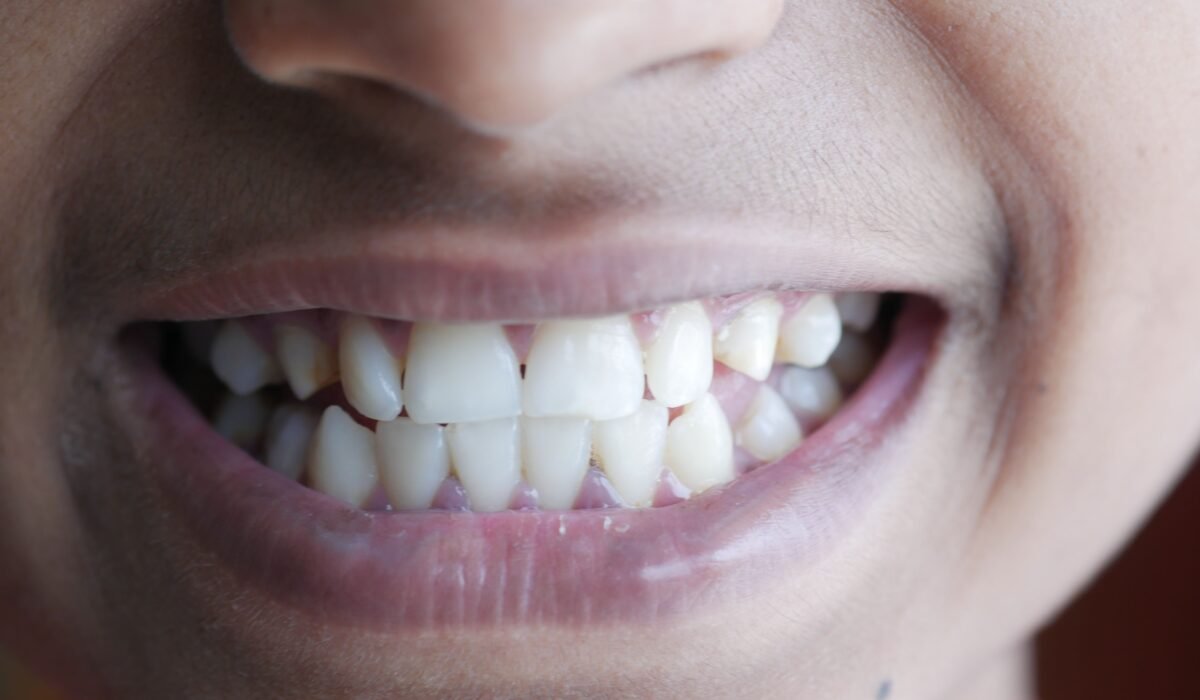
Are you concerned about weakening tooth enamel or the early signs of decay and wondering how to strengthen teeth naturally? Many people find themselves looking for effective ways to improve their oral health without always resorting to conventional dental interventions. As a health and wellness content researcher, I understand the desire for holistic approaches that support your body’s natural healing processes and build long-term resilience.
This comprehensive guide will show you how to strengthen teeth naturally, combining ancient wisdom with cutting-edge scientific discoveries. We’ll explore everything from diet and oral hygiene to the surprising connections between your gut health and the strength of your enamel, providing actionable strategies you can implement today.
Can Weak Teeth Get Stronger Naturally?
The short answer is a resounding yes, weak teeth can absolutely get stronger naturally through a process called remineralization. Your teeth are not static structures; they are constantly undergoing a dynamic process of losing (demineralization) and regaining (remineralization) minerals.
When acids from food and bacteria attack your enamel, minerals like calcium and phosphate are lost, leading to weakened enamel and potential cavities. However, your saliva naturally contains these minerals, and with the right support, it can deposit them back onto your teeth, effectively performing natural enamel repair.
This natural repair mechanism is your body’s built-in defense against decay. Understanding this process is the first step in learning how to strengthen teeth naturally and prevent further damage. You can actively support and enhance this process through diet and lifestyle changes.
The Science of Remineralization vs. Enamel Regeneration
While remineralization is about repairing existing enamel by replenishing lost minerals, the idea of true enamel regeneration or regrowth takes us into exciting, cutting-edge science. Many articles discuss how to remineralize teeth naturally, but fewer delve into the future possibilities.
Remineralization focuses on strengthening the existing crystal structure of your enamel, making it more resistant to acid attacks. This process is achievable today through various natural and conventional methods. It’s about reversing early decay and hardening softened spots.
True enamel regeneration, however, refers to the actual *growing back* of lost enamel structure, not just strengthening what’s left. Recent research, particularly from institutions like the University of Nottingham, is exploring protein-based gels that can promote crystal growth in an organized manner, recovering the architecture of natural healthy enamel. Dr. Abshar Hasan, a lead author on this research, noted that this material promotes crystal growth, and Professor Alvaro Mata, who led the study, indicated that growth could begin within a week.
While these advancements, including potential stem cell therapies, show incredible promise for future “enamel regeneration new discovery,” they are still largely in clinical trial phases (with trials for the Nottingham gel scheduled for 2026). For now, our focus remains on maximizing natural enamel repair through remineralization.
Which Foods Strengthen Teeth the Most?
Your diet plays a critical role in how to strengthen teeth naturally, providing the essential building blocks for healthy enamel and supporting your oral microbiome. Eating the best foods for strong teeth is fundamental for effective remineralization.
Focus on foods rich in key vitamins and minerals:
- Calcium and Phosphorus: These are the primary minerals that make up your tooth enamel. Dairy products (milk, cheese, yogurt), leafy greens (kale, spinach), almonds, and fortified plant milks are excellent sources. Cheese, in particular, helps neutralize acids in the mouth and stimulate saliva production.
- Vitamin D: Essential for calcium absorption, Vitamin D is crucial for strong teeth and bones. You can get it from sunlight exposure, fatty fish (salmon, mackerel), and fortified foods.
- Vitamin K2: Often overlooked, Vitamin K2 helps direct calcium to your bones and teeth, preventing it from accumulating in soft tissues. Good sources include grass-fed dairy, fermented foods like natto, and certain cheeses.
- Magnesium: Another vital mineral, magnesium supports overall bone health and plays a role in enamel formation. Found in nuts, seeds, whole grains, and dark chocolate.
As Dr. Chandni Mahindra, founder of DeLand Smiles, recommends, “adopting tooth-friendly options like cheese, nuts, or crunchy vegetables” is a simple yet effective strategy. These foods not only provide nutrients but also help clean teeth and stimulate saliva. Incorporating these vitamins for teeth strengthening into your daily meals is a powerful step.
Natural Oral Hygiene Habits to Strengthen Teeth
Beyond diet, your daily oral hygiene routine is paramount in learning how to strengthen teeth naturally. It’s not just about cleaning, but about creating an environment where your teeth can thrive and remineralize.
- Brush Gently and Effectively: Use a soft-bristled brush and brush for two minutes, twice a day. Focus on gentle, circular motions rather than harsh scrubbing, which can erode enamel.
- Floss Daily: Flossing removes food particles and plaque from between your teeth and under the gumline, areas your toothbrush can’t reach. This prevents bacterial buildup that leads to demineralization and helps strengthen gums and teeth naturally.
- Increase Saliva Production: Saliva is your body’s natural remineralizing agent. Chew sugar-free gum containing xylitol (xylitol benefits include reducing cavity-causing bacteria), stay well-hydrated, and eat crunchy, fibrous vegetables to stimulate saliva flow.
- Rinse with Natural Mouthwashes: Consider natural, alcohol-free rinses. Some, like Dental Herb Company’s “Tooth and Gums Tonic,” have been shown to be effective antimicrobials. A simple saltwater rinse can also help neutralize acids and soothe gums.
- Stay Hydrated: Drinking plenty of water throughout the day helps wash away food particles and bacteria, maintains saliva flow, and keeps your mouth healthy. As Dr. Mahindra advises, “staying hydrated and avoiding the frequency of eating sugary and acidic treats” is key.
For more comprehensive guidance on creating a robust oral health routine, I recommend exploring our detailed article on How to Improve Oral Health Naturally: Complete Guide. These home remedies for weak teeth form the foundation of holistic dental care.
Beyond Diet: The Oral Microbiome and Gut Health Connection
What many people overlook when considering how to strengthen teeth naturally is the profound connection between your oral microbiome and your overall gut health. Your mouth is home to trillions of bacteria, a complex ecosystem that can either protect or harm your teeth.
A balanced oral microbiome is crucial for preventing the overgrowth of harmful, acid-producing bacteria that cause demineralization. When this balance is disrupted, it can lead to weak enamel causes and contribute to issues like gum disease and cavities. Interestingly, the health of your gut microbiome also influences your oral health.
Here’s how to support your oral and gut microbiomes:
- Consume Probiotic-Rich Foods: Fermented foods like yogurt, kefir, sauerkraut, and kimchi introduce beneficial bacteria that can help balance both your gut and oral microbiomes.
- Consider Oral Probiotic Supplements: Specific strains of probiotics, like Lactobacillus reuteri and Streptococcus salivarius K12 and M18, are designed to colonize the mouth and inhibit pathogenic bacteria.
- Limit Sugar and Processed Foods: These feed harmful bacteria in both the mouth and gut, disrupting their delicate balance.
Maintaining a healthy oral microbiome is an integral part of holistic dental care. It creates an internal environment where your teeth are better equipped to remineralize and resist decay, showing how interconnected your body truly is.
Natural Alternatives to Fluoride for Stronger Enamel
While fluoride has long been the gold standard for strengthening enamel, many individuals seek natural alternatives. Thankfully, science has provided some compelling options for those looking for natural fluoride alternatives to help them learn how to strengthen teeth naturally.
One of the most promising natural remineralizing agents is nano-hydroxyapatite (nHAp). Hydroxyapatite is the primary mineral that makes up your tooth enamel, and synthetic nanosized versions can effectively integrate into weakened enamel surfaces.
- Hydroxyapatite Toothpaste: A May 2023 study led by UT Health San Antonio found that toothpaste with a synthetic version of hydroxyapatite was “significantly better” than fluoride toothpaste at remineralizing teeth affected by molar incisor hypomineralization (MIH), relieving sensitivity, and fighting cavities. Dr. Bennett T. Amaechi, a key researcher, noted that “unlike fluoride, it helps build back enamel while also fighting tooth decay and providing better sensitivity relief.” You can read more about this groundbreaking research here: UT Health San Antonio Newsroom.
- Xylitol: This natural sugar alcohol, found in many fruits and vegetables, helps reduce the levels of cavity-causing bacteria in the mouth. As mentioned, chewing xylitol gum stimulates saliva and can be a great addition.
- Trace Minerals: Supplements like ConcenTrace, which provides over 72 ionic minerals, can enhance calcium absorption and support overall dental wellness from within.
These natural alternatives offer powerful ways to support enamel health and provide effective strategies for those committed to a holistic approach to their dental care.
Stress Management and Its Impact on Teeth Health
Stress is a pervasive factor in modern life, and its impact on your overall health, including your oral health, is often underestimated. When you’re constantly under pressure, it can directly and indirectly affect how to strengthen teeth naturally.
Chronic stress can manifest physically as bruxism, or teeth grinding and clenching, particularly during sleep. This habit puts immense pressure on your teeth, leading to accelerated enamel wear, cracks, and even jaw pain. Over time, this constant force significantly weakens teeth.
Beyond physical grinding, stress can also suppress your immune system, making you more susceptible to gum disease and infections that compromise oral health. It can also lead to poor dietary choices or neglect of oral hygiene routines.
Incorporating natural stress-reduction techniques can therefore indirectly but powerfully contribute to stronger teeth:
- Mindfulness and Meditation: Regular practice can reduce overall stress levels, potentially lessening bruxism.
- Yoga and Deep Breathing Exercises: These techniques promote relaxation and can alleviate tension in the jaw muscles.
- Adequate Sleep: Prioritizing 7-9 hours of quality sleep can significantly reduce stress and its physical manifestations.
- Physical Activity: Exercise is a proven stress reliever that can improve overall well-being.
By addressing the root causes of stress, you’re not only improving your mental well-being but also creating a more favorable environment for your teeth to remain strong and healthy.
How Soon Can You Expect Results from Natural Teeth Strengthening?
When embarking on a journey to strengthen teeth naturally, it’s natural to wonder about the timeline for results. The speed at which you see improvements can vary significantly based on several factors, including the initial state of your enamel, the consistency of your efforts, and your overall health.
For early demineralization, noticeable improvements in sensitivity and surface hardness can often be observed within a few weeks to a couple of months of consistent effort. This includes diligent oral hygiene, a nutrient-rich diet, and the use of remineralizing agents like hydroxyapatite toothpaste. A 2023 systematic review of enamel remineralization techniques confirmed that consistent approaches can produce measurable surface changes.
However, true, significant natural enamel repair takes time. Building robust, resilient enamel is a gradual process. Think of it less as a quick fix and more as a long-term commitment to holistic dental care. The key is consistency and patience. Regular dental check-ups remain important to monitor progress and address any persistent issues.
Frequently Asked Questions
What is the fastest way to strengthen teeth?
While there’s no instant fix, the fastest way to support teeth strengthening involves a combination of consistent oral hygiene, a diet rich in essential minerals like calcium and phosphorus, and using remineralizing toothpastes, particularly those containing nano-hydroxyapatite. Reducing sugary and acidic foods immediately lessens the demineralization process, allowing natural remineralization to begin more effectively.
Can lost enamel grow back?
While your body can’t “grow back” completely lost enamel in the same way it heals a cut, it can remineralize weakened or demineralized enamel. This means replenishing lost minerals to harden and strengthen the existing enamel structure, making it more resistant to decay. Cutting-edge research is exploring true enamel regeneration, but these methods are still in experimental stages.
Are there natural alternatives to fluoride?
Yes, several natural alternatives to fluoride are gaining scientific support for their ability to strengthen enamel. The most prominent is nano-hydroxyapatite (nHAp), a synthetic version of the mineral that makes up your enamel, which has shown to be effective in remineralizing teeth. Xylitol, a natural sugar alcohol, also helps reduce cavity-causing bacteria and promote a healthy oral environment.
How are teeth and gum health related?
Teeth and gum health are intimately connected, forming the foundation of your oral system. Healthy gums provide crucial support and protection for your teeth, while inflamed or diseased gums (gingivitis or periodontitis) can lead to bone loss around the teeth, making them loose and vulnerable to decay. Maintaining healthy gums through proper hygiene and a balanced diet is essential for strong, stable teeth.
If you’re ready to take control of your oral health and discover how to strengthen teeth naturally, consider incorporating the strategies outlined in this guide into your daily routine. From nutrient-rich foods and optimal oral hygiene to supporting your oral microbiome and managing stress, a holistic approach yields the best results. Remember, your dental health is an integral part of your overall well-being.
Visit Official Website to check current pricing, discounts, bonuses, and availability.