
If you’re wondering what makes the popular hearing support supplement tick, this deep dive into Quietum Plus Ingredients is exactly what you need. Many people grappling with the persistent ringing of tinnitus or seeking to bolster their auditory health are curious about the specific compounds in such supplements. In this comprehensive review, I’ll break down each component, examine its purported role, and critically assess the scientific backing (or lack thereof) for its efficacy in supporting ear health and addressing tinnitus.
Get The Latest Price On The Official Website
Ready to explore Quietum Plus? You can find current pricing, discounts, bonuses, and availability directly from the source.
Visit Official Website to check current pricing, discounts, bonuses, and availability.
What Are the Key Quietum Plus Ingredients?
When you look at the Quietum Plus Ingredients list, you’ll find a blend of natural plant extracts, vitamins, minerals, and amino acids. This formula is positioned as a comprehensive approach to natural hearing support, aiming to address various factors that might contribute to auditory issues.
Based on the Quietum Plus supplement facts, the product contains a reported blend of 15 natural plant extracts and essential nutrients. These ear health compounds are often grouped into categories based on their traditional uses or general health benefits.
Herbal Extracts for Natural Hearing Support
Many of the ingredients are traditional herbal remedies for tinnitus and general well-being. Here’s a breakdown of some commonly cited herbal Quietum Plus Ingredients:
- Mucuna Pruriens: Often studied for its L-Dopa content, which is a precursor to dopamine, impacting nerve function and mood.
- Maca Root: Known as an adaptogen, it’s traditionally used for energy, stamina, and hormone balance.
- Ashwagandha: Another adaptogen, popular for stress reduction and its potential antioxidant properties.
- Dong Quai: A traditional Chinese herb often used for women’s health, it also has anti-inflammatory properties.
- Epimedium (Horny Goat Weed): Traditionally used as an aphrodisiac, it contains icariin, which may have neuroprotective effects.
- Tribulus Terrestris: Primarily known for its effects on testosterone and libido, with some antioxidant activity.
- Catuaba Powder & Muira Puama: Brazilian herbs traditionally used as aphrodisiacs and nerve tonics.
- Damiana: Used for its purported aphrodisiac and mood-enhancing effects.
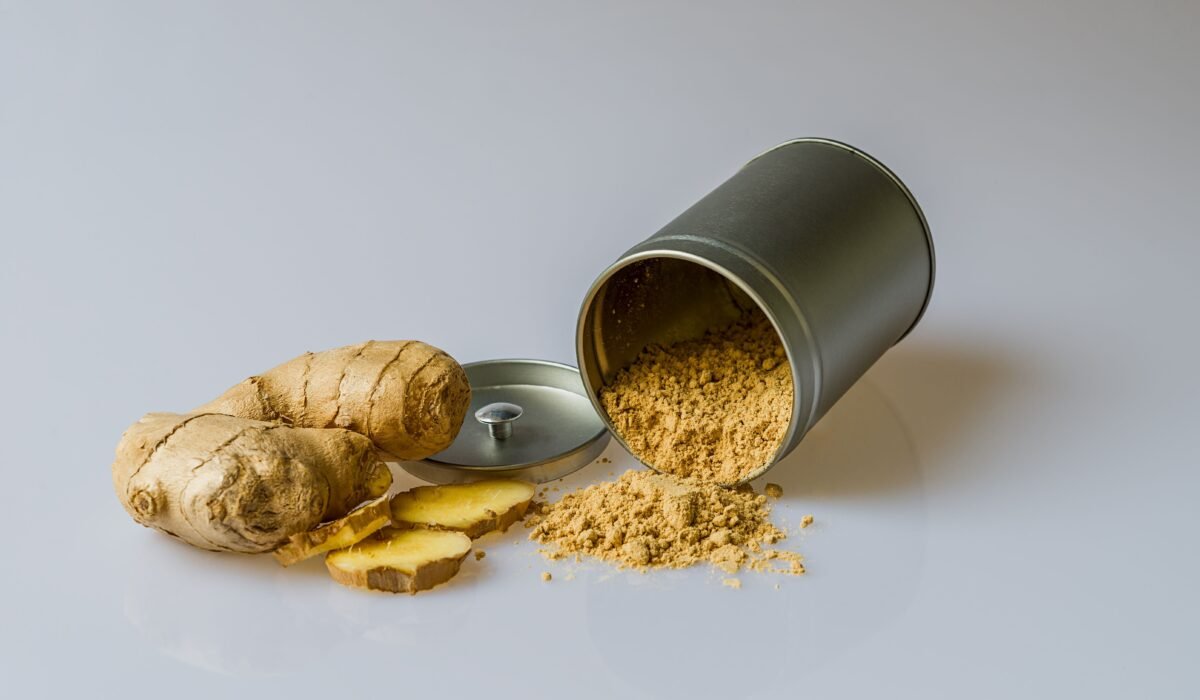
- Ginger: A well-known anti-inflammatory and antioxidant ingredient.
- Sarsaparilla Root: Used traditionally for skin conditions and as a blood purifier.
- Asparagus, Yam, Fenugreek, Motherwort, Black Cohosh, Hops Extract, Pacific Kelp, Blessed Thistle, Red Clover, Sage Leaf, Hawthorn Berry: These herbs are often included for their general wellness benefits, ranging from hormonal support to antioxidant effects and cardiovascular health.
Vitamins, Minerals, and Amino Acids
Beyond the extensive herbal list, Quietum Plus also includes foundational nutrients vital for overall health, which may indirectly support ear health compounds. These include:
- Vitamins A, C, and B-complex (including B12): Essential for nerve function, antioxidant protection, and cellular health. Vitamin B12 deficiency, for instance, has been an area of research in relation to tinnitus.
- Zinc: A crucial mineral for immune function and cell growth, with some studies exploring its role in hearing health.
- Magnesium: Important for nerve and muscle function, and blood pressure regulation.
- L-Tyrosine: An amino acid that is a precursor to neurotransmitters like dopamine, norepinephrine, and epinephrine, important for cognitive and nerve function.
- L-Arginine: An amino acid involved in nitric oxide production, which impacts blood flow.
- Piperine (Black Pepper Extract): Often added to supplements to enhance the bioavailability and absorption of other ingredients.
Understanding these individual Quietum Plus Ingredients is the first step in evaluating the supplement’s potential impact on your auditory system.
How Do Quietum Plus Ingredients Purportedly Work?
The marketing surrounding Quietum Plus suggests that its array of ingredients works synergistically to support auditory health and potentially alleviate tinnitus. The purported mechanisms of action often involve a multi-pronged approach, targeting several physiological pathways that are believed to be linked to ear health.
Essentially, the idea is that these Quietum Plus Ingredients provide comprehensive support to the auditory system. In my experience researching dietary supplements, manufacturers often highlight broad benefits that, while true for general health, may not have direct, robust evidence for specific conditions like tinnitus.
Supporting Nerve Function and Neurotransmission
Several ingredients are included for their potential role in supporting healthy nerve function. Compounds like Mucuna Pruriens (with L-Dopa) and L-Tyrosine are precursors to neurotransmitters. The theory is that by supporting these chemical messengers, the supplement could help maintain the delicate nerve pathways involved in hearing and signal processing. This aligns with the concept of using ingredients for nerve function to potentially improve auditory signal integrity.
Antioxidant and Anti-inflammatory Properties
Many herbal extracts, such as Ashwagandha, Ginger, and various vitamins (A, C), are well-known for their antioxidant capabilities. Oxidative stress and inflammation are implicated in various health issues, including damage to the delicate cells of the inner ear. The presence of these antioxidants for ear health aims to protect auditory cells from damage and reduce inflammation that might contribute to tinnitus or hearing decline.
Improving Blood Flow and Circulation
Ingredients like L-Arginine, which aids in nitric oxide production, are often included to support healthy blood flow. Good circulation is critical for delivering oxygen and nutrients to all parts of the body, including the inner ear. Impaired blood flow can contribute to auditory issues, so improving it is a proposed mechanism for the Quietum Plus Ingredients to support ear health.
Stress Reduction and Adaptogenic Effects
Adaptogens like Ashwagandha and Maca Root are believed to help the body manage stress. Since stress and anxiety can exacerbate tinnitus symptoms, the inclusion of these ingredients suggests an approach to indirectly mitigate tinnitus by improving overall well-being and stress resilience. This is a common strategy in natural health supplements for hearing and general wellness.
While these mechanisms sound plausible on paper, the key question remains: how much independent scientific evidence supports these claims specifically for tinnitus or hearing loss?
Scientific Evidence: Do Quietum Plus Ingredients Really Help Tinnitus?
This is where we get to the heart of the matter for anyone considering Quietum Plus. While many of the individual Quietum Plus Ingredients possess general health benefits, the crucial question is whether there is robust, independent scientific evidence specifically linking them to direct efficacy in treating tinnitus or hearing loss.
Unfortunately, the scientific community, particularly organizations focused on auditory health, often expresses skepticism regarding such claims. Tinnitus UK, a reputable organization, states quite clearly, “There is no evidence that any of the known components of this supplement are effective for treating tinnitus or indeed any other medical condition.” They further advise that “Dietary supplements should not be recommended to treat tinnitus.” This highlights a significant gap between manufacturer claims and established clinical studies on tinnitus ingredients.
What the Research Says (and Doesn’t Say)
Many ingredients in Quietum Plus, like various vitamins, minerals, and herbal extracts, have been studied for their general health impacts. For instance:
- Vitamins and Minerals: Some studies suggest that deficiencies in certain vitamins (e.g., B12) or minerals (e.g., Zinc, Magnesium) might be associated with tinnitus in some individuals. However, supplementation typically only helps if a deficiency exists, and even then, direct causal links to tinnitus relief are often weak or inconsistent across populations.
- Antioxidants: While antioxidants are vital for cellular protection, direct clinical trials demonstrating significant improvement in tinnitus or hearing loss from antioxidant supplementation alone are generally lacking or show mixed results.
- Herbal Extracts: Many of the herbs listed have traditional uses and some preliminary research for their general anti-inflammatory, adaptogenic, or neuroprotective properties. However, high-quality, large-scale clinical studies specifically proving their effectiveness as tinnitus relief ingredients are scarce. For example, while Ginkgo Biloba is often studied for tinnitus, results have been largely inconclusive. The ingredients in Quietum Plus have even less specific research for this application.
The challenge with many dietary supplements is that while their components might have some scientifically recognized benefits in isolation, proving efficacy for a complex condition like tinnitus, especially when combined in a proprietary blend (which we’ll discuss later), is a much higher bar. The National Institute on Deafness and Other Communication Disorders (NIDCD) provides extensive information on hearing and balance but does not endorse specific supplements for tinnitus treatment, focusing instead on evidence-based management strategies. You can learn more about tinnitus and hearing statistics from reputable sources like the NIDCD.
Therefore, while the individual Quietum Plus Ingredients may offer general wellness benefits, consumers should approach claims of direct tinnitus relief with a healthy dose of skepticism due to the current lack of robust, specific scientific evidence.
Potential Side Effects of Quietum Plus Ingredients
Understanding the potential Quietum Plus side effects is just as important as knowing what’s in the bottle. Even natural ingredients can cause adverse reactions, especially when combined or taken alongside other medications. As Vishal Shimpi, a health and wellness content researcher, I always emphasize the critical need for caution and medical consultation before starting any new supplement.
Medical experts consistently recommend checking with a licensed healthcare provider before adding Quietum Plus to your daily routine. This is because certain herbal extracts or antioxidant compounds in the formula may interfere with blood thinners, blood pressure medications, or other prescribed treatments. This advice is echoed across multiple authoritative sources, stressing the importance of consulting a physician, particularly for individuals with existing medical conditions or those on medication.
Common Potential Side Effects
While Quietum Plus is generally marketed as safe due to its natural composition, potential side effects can include:
- Digestive Issues: Some individuals might experience mild stomach upset, nausea, or diarrhea from various herbal ingredients.
- Allergic Reactions: As with any natural product, there’s a risk of allergic reactions to specific plant extracts. Symptoms could include skin rashes, itching, or swelling.
- Headaches or Dizziness: Certain compounds, especially those affecting blood flow or neurological function, could potentially lead to headaches or feelings of dizziness in sensitive individuals.
- Interactions with Medications: This is perhaps the most significant concern. Ingredients like Dong Quai, Ginger, and Hawthorn Berry can have effects on blood clotting, blood pressure, or hormone levels, potentially interacting with prescription drugs. For example, blood-thinning medications could have their effects potentiated, increasing bleeding risk.
- Hormonal Effects: Herbs like Dong Quai, Black Cohosh, and Fenugreek are known for their phytoestrogenic properties, which could be a concern for individuals with hormone-sensitive conditions or those on hormone therapy.
It’s crucial to remember that individual responses to supplements vary widely. What one person tolerates well, another might react negatively to. Always monitor your body’s response and discontinue use if you experience any adverse effects. If you’re looking for more general information on potential adverse reactions to supplements, you can refer to resources like the NIH Dietary Supplement Label Database.
Is Quietum Plus FDA Approved? Understanding Supplement Regulation
A common question consumers have about any dietary supplement, including Quietum Plus, is whether it’s FDA approved. The short answer is: No, Quietum Plus is not FDA approved in the same way a prescription drug would be. This distinction is critical for consumers to understand when evaluating dietary supplements for hearing and other health concerns.
The U.S. Food and Drug Administration (FDA) regulates dietary supplements under a different set of regulations than those for conventional foods and drug products. Under the Dietary Supplement Health and Education Act of 1994 (DSHEA), manufacturers are responsible for ensuring their products are safe and that their claims are truthful and not misleading before marketing. However, the FDA does not approve dietary supplements for efficacy or safety before they hit the market.
What “FDA-Registered” and “GMP-Certified” Mean
You’ll often see Quietum Plus, like many other supplements, state that it’s made in an “FDA-registered and GMP-certified facility.” This is an important distinction:
- FDA-Registered Facility: This means the manufacturing facility has registered with the FDA, as required for all food and drug facilities. It does not imply FDA approval of the product itself or its claims. It simply indicates that the facility is on the FDA’s radar.
- GMP-Certified (Good Manufacturing Practices): GMP certification indicates that the facility adheres to certain quality standards in its manufacturing processes. These practices ensure the product is consistently produced and controlled according to quality standards appropriate to its intended use. While this is a positive sign for product quality and safety, it still doesn’t equate to FDA approval of the supplement’s effectiveness or its ability to treat medical conditions.
The FDA disclaimer states that Quietum Plus, “is not a prescription drug, nor is it approved by the FDA to treat or cure medical conditions.” This is standard for dietary supplements. Consumers should understand that while manufacturing standards are important, the lack of FDA approval means that the efficacy and safety of Quietum Plus Ingredients for treating tinnitus or other specific health conditions have not been reviewed and confirmed by the FDA.
Quietum Plus Proprietary Blends: What Consumers Should Know
Many dietary supplements, including Quietum Plus, utilize proprietary blends. While this isn’t inherently bad, it introduces a layer of complexity for consumers trying to understand the full impact of the Quietum Plus Ingredients. A proprietary blend means the manufacturer lists the ingredients but doesn’t disclose the exact amount of each individual ingredient within the blend.
From my perspective as a researcher focusing on ingredient analysis, proprietary blends present a challenge. When you don’t know the precise dosage of each component, it becomes difficult to assess if the amounts are therapeutically relevant or if they align with dosages used in any scientific studies.
Implications for Consumers
- Unknown Effective Dosages: Even if an ingredient has some scientific backing for a general health benefit, that research is usually based on a specific, known dosage. With a proprietary blend, you don’t know if the amount of that ingredient in Quietum Plus is sufficient to produce the desired effect. It could be a ‘fairy dusting’ – just enough to list it, but not enough to be effective.
- Difficulty in Evaluating Safety: While individual ingredients might be safe at certain levels, unknown concentrations in a blend can make it harder to predict potential side effects or interactions, especially for sensitive individuals or those on medication. Understanding the Quietum Plus formula analysis becomes more opaque.
- Limited Comparison: It’s challenging to compare the efficacy of Quietum Plus to other supplements or even to individual ingredients when you don’t have a clear picture of the active dosages. This makes it harder for consumers to make informed decisions based on a detailed Quietum Plus ingredients list.
- Trust and Transparency: Some consumers prefer full transparency, arguing that knowing exact dosages builds greater trust. While proprietary blends are common in the supplement industry, it’s a factor to consider when evaluating a product’s claims.
When evaluating a supplement with a proprietary blend, it’s important to look at the total blend amount and consider the general concentration of the more potent or expensive ingredients. Without clear dosage information for each of the Quietum Plus Ingredients, consumers must rely more heavily on the manufacturer’s overall claims rather than independent scientific assessment of individual component efficacy.
Quietum Plus Ingredients vs. Other Tinnitus Supplements
When looking at Quietum Plus Ingredients, it’s helpful to place them in context by comparing them to other common or established tinnitus relief ingredients and supplements on the market. The tinnitus management market is projected to reach $4 billion by 2033, indicating a significant demand for solutions, and with that comes a variety of approaches.
Most tinnitus supplements fall into a few categories: those focusing on specific vitamins/minerals, those featuring herbal extracts, or a combination. The Quietum Plus formula analysis reveals it leans heavily into a broad spectrum of herbal extracts, alongside some foundational vitamins and amino acids.
Common Tinnitus Supplement Approaches
- Ginkgo Biloba: This is perhaps one of the most widely studied herbal extracts for tinnitus and hearing loss, known for its purported effects on circulation and neuroprotection. However, clinical studies on Ginkgo Biloba for tinnitus have yielded mixed and often inconclusive results.
- Lipo-Flavonoid: This is a well-known over-the-counter supplement specifically marketed for tinnitus. Its primary active ingredients include eriodictyol glycoside (a bioflavonoid), B vitamins, and Vitamin C. The mechanism is believed to involve improving microcirculation and metabolic function in the inner ear.
- Arches Tinnitus Formula: Another popular option, this formula often contains Ginkgo Biloba, Zinc, and specific vitamins, aiming to support circulation and reduce oxidative stress.
- Magnesium and Zinc: Some supplements focus heavily on these minerals, as deficiencies have been linked to hearing issues in some populations.
- B Vitamins (especially B12): Often included due to research suggesting a link between B12 deficiency and tinnitus in certain individuals.
How Quietum Plus Ingredients Compare
Quietum Plus distinguishes itself by including a much broader and more diverse array of herbal extracts compared to many of its competitors. While Lipo-Flavonoid and Arches Tinnitus Formula tend to focus on a smaller, more targeted set of ingredients, Quietum Plus incorporates a wide range of traditional botanicals. This comprehensive approach aims to address multiple potential pathways, from nerve support to inflammation and stress, rather than relying on one or two key compounds.
However, as discussed with proprietary blends, the sheer number of Quietum Plus Ingredients, without transparent dosages, makes it difficult to ascertain if each component is present in a clinically effective amount. While other supplements might offer more transparent dosing of their key ingredients, Quietum Plus opts for a “shotgun” approach, hoping that the synergy of many ingredients will yield results.
Ultimately, the choice comes down to individual preference and, crucially, consultation with a healthcare professional, especially given the varying scientific support for different tinnitus relief ingredients.
The Bottom Line: Is Quietum Plus Right for You?
After a thorough review of the Quietum Plus Ingredients, their purported mechanisms, and the existing scientific landscape, the picture becomes clearer. Quietum Plus offers a blend of numerous herbal extracts, vitamins, and minerals, each with general health benefits or traditional uses. The formula aims to support overall auditory health through various pathways, including nerve function, antioxidant protection, and stress reduction.
However, it’s crucial to reiterate that despite the extensive list of natural components, there is currently a lack of robust, independent clinical evidence specifically demonstrating the efficacy of these Quietum Plus Ingredients in directly treating or curing tinnitus or significant hearing loss. Organizations like Tinnitus UK are very clear on this point. Furthermore, the use of proprietary blends means that the exact dosages of individual ingredients remain undisclosed, making it difficult to assess their therapeutic potential.
For individuals experiencing tinnitus, which affects approximately 1 in 10 Americans, exploring all options is natural. However, given the lack of specific scientific validation for its core purpose and the potential for interactions with other medications, Quietum Plus effectiveness remains an open question that individual experiences and cautious medical guidance will best answer. You can learn more about tinnitus prevalence from sources like Bodytrak.
Ultimately, deciding if Quietum Plus is right for you requires a careful consideration of its ingredient profile against your personal health needs and current medical conditions. Always consult with a licensed healthcare professional before incorporating any new dietary supplement into your regimen, especially if you have pre-existing health issues or are taking prescription medications. They can provide personalized advice and help you navigate the complex world of dietary supplements safely.
Frequently Asked Questions
What are the main ingredients in Quietum Plus?
The main Quietum Plus Ingredients include a diverse blend of herbal extracts such as Mucuna Pruriens, Maca Root, Ashwagandha, Dong Quai, and Ginger, alongside essential vitamins (A, C, B-complex), minerals (Zinc, Magnesium), and amino acids (L-Tyrosine, L-Arginine). This comprehensive formula also contains Piperine for enhanced absorption.
What are the side effects of Quietum Plus?
Potential Quietum Plus side effects can include mild digestive upset, allergic reactions, headaches, or dizziness. More importantly, some herbal components may interact with prescription medications like blood thinners or blood pressure drugs, making medical consultation essential before use.
Is Quietum Plus FDA approved?
No, Quietum Plus is not FDA approved as a drug to treat or cure medical conditions. Like other dietary supplements, it is regulated differently than pharmaceuticals. While the product is stated to be manufactured in an FDA-registered and GMP-certified facility, this refers to manufacturing standards, not FDA endorsement of its efficacy or safety for specific health claims.
Does Quietum Plus really work for tinnitus?
While Quietum Plus is marketed to support auditory health and potentially alleviate tinnitus, there is currently a lack of robust, independent scientific evidence specifically proving its efficacy for treating tinnitus or hearing loss. Many of its ingredients have general health benefits, but direct clinical proof for auditory-specific outcomes is limited, and expert organizations often advise caution.
Get The Latest Price On The Official Website
Ready to explore Quietum Plus? You can find current pricing, discounts, bonuses, and availability directly from the source.
Visit Official Website to check current pricing, discounts, bonuses, and availability.